
Imagine a cushion between the bones (vertebrae) in your spine. This cushion is called a disc. It’s tough on the outside and jelly-like on the inside, helping your spine move and absorb shock. Sometimes, this outer layer can tear, causing the jelly-like center to push out. This is what we call a herniated disc (also known as a bulging disc, slipped disc, or ruptured disc).
It can be a scary thing to hear you have a herniated disc, especially when you’re in pain. You might immediately think of surgery, but what if I told you that many herniated discs can actually get better without it? As a fellowship-trained orthopedic spine surgeon, my goal is always to help you understand your condition and explore all appropriate options, reserving surgery for when it’s truly the best path forward.
Let’s break down what’s happening in your spine.
Understanding Your Spinal Discs
Your spinal column is made up of individual bones called vertebrae, stacked on top of each other. In between most of these vertebrae are soft, rubbery discs. They have two main parts:
- Annulus Fibrosus: The tough, fibrous outer ring. Think of it like the tire of a car.
- Nucleus Pulposus: The soft, gel-like center. This is like the inner tube of the tire.
These discs act like shock absorbers, allowing your spine to bend, twist, and absorb impacts as you move.
How a Disc Becomes Herniated
A herniated disc occurs when the tough outer layer of the disc tears, allowing some of the soft inner gel to push out. This can happen due to various reasons:
- Degeneration (Wear and Tear): Over time, discs naturally lose some of their water content, becoming less flexible and more prone to tearing. This is a normal part of aging.
- Injury or Trauma: A sudden awkward movement, heavy lifting (especially with improper form), a fall, or a car accident can put immense pressure on a disc, causing it to herniate.
- Genetics: Some people are simply more predisposed to disc problems due to their genes.
The Pain Factor: Why Does It Hurt So Much?
The “herniation” itself might not always cause pain. The pain primarily comes from:
- Pressure on Nerves: When the jelly-like material pushes out, it can press directly on nearby spinal nerves. These nerves travel from your spine to other parts of your body, so pressure here can cause pain, numbness, tingling, or weakness anywhere along that nerve’s path. For example, a herniated disc in your lower back (lumbar spine) might cause pain down your leg (sciatica), while a herniated disc in your neck (cervical spine) might cause pain in your arm or hand.
- Inflammation: The body sees the escaped disc material as foreign and launches an inflammatory response around the disc and nerves. This inflammation itself can be a major source of pain.
The location and severity of your pain depend on which disc is herniated and which nerve is being affected.
In exploring the topic of whether a herniated disc can heal without surgery, it’s essential for patients to understand the various treatment options available and the potential outcomes. For instance, an article discussing NBA draft prospect James Nnaji, who recently underwent spine surgery, highlights the importance of addressing spinal issues promptly and the implications of surgical intervention. To learn more about this case and its relevance to spinal health, you can read the full article here: NBA Draft Prospect James Nnaji Has Spine Surgery.
Common Symptoms of a Herniated Disc
Symptoms can vary greatly depending on where the herniated disc is located and how severely it’s pressing on a nerve.
Symptoms in the Lower Back (Lumbar Herniated Disc)
This is the most common location for a herniated disc.
- Lower back pain: This pain might be dull or sharp, and can worsen with certain movements, coughing, sneezing, or sitting for long periods.
- Sciatica: This is a classic symptom. Pain, numbness, or tingling that travels from your lower back, through your buttock, and down one leg (sometimes all the way to your foot).
- Leg weakness: You might notice weakness in your leg or foot, making it difficult to lift your foot (foot drop) or walk properly.
- Numbness or tingling: A “pins and needles” sensation in your buttock, leg, or foot.
Symptoms in the Neck (Cervical Herniated Disc)
Herniated discs in the neck can cause problems in your upper body.
- Neck pain: Pain that might worsen with movement or turning your head.
- Arm and shoulder pain: Pain that radiates from your neck into your shoulder, arm, or hand.
- Numbness or tingling: A “pins and needles” sensation in your arm, hand, or fingers.
- Arm weakness: Difficulty gripping objects, lifting your arm, or weakness in specific muscles.
Less Common, But Important Symptoms to Watch For (Red Flags)
While less common, some symptoms require urgent medical attention. These are often referred to as “red flag” symptoms:
- Worsening weakness: Significant or rapidly progressing weakness in your arm or leg.
- Loss of bowel or bladder control: This is a serious sign (Cauda Equina Syndrome) and requires immediate emergency medical care.
- Saddle numbness: Numbness in the areas that would touch a saddle (inner thighs, groin, perineum). This is also a sign of Cauda Equina Syndrome.
- Severe, unrelenting pain: Pain that doesn’t improve with rest or pain medication.
If you experience any of these red flag symptoms, please seek immediate medical attention.
Diagnosing a Herniated Disc: What to Expect
When you see a spine specialist like myself, we’ll go through a thorough process to understand your condition.
Your Medical History and Physical Exam
This is the first and often most important step.
- Detailed questions: I’ll ask you about your symptoms, when they started, what makes them better or worse, any previous injuries, and your overall health.
- Physical examination: I’ll check your reflexes, muscle strength, sensation, and posture. I’ll also perform specific tests to see how your spine moves and if certain movements or positions recreate your pain. This helps me pinpoint which nerve might be affected.
Imaging Tests: MRI and X-rays
These tests give us a picture of what’s happening inside your spine.
- X-rays: While X-rays primarily show bones and don’t directly show a herniated disc, they are useful for ruling out other causes of pain, like fractures, infections, tumors, or significant spinal misalignment (like scoliosis).
- MRI (Magnetic Resonance Imaging): This is the gold standard for diagnosing a herniated disc. An MRI scan uses powerful magnets and radio waves to create detailed images of soft tissues, including your discs, nerves, and spinal cord. It can clearly show the location and size of a disc herniation and how much it’s pressing on a nerve.
It’s important to remember that imaging findings don’t always tell the whole story. Many people have herniated discs on MRI scans without any pain or symptoms. That’s why correlating the MRI findings with your symptoms and physical exam is crucial. My goal is to treat you and your pain, not just an image.
Can a Herniated Disc Heal Without Surgery? Understanding Non-Surgical Options
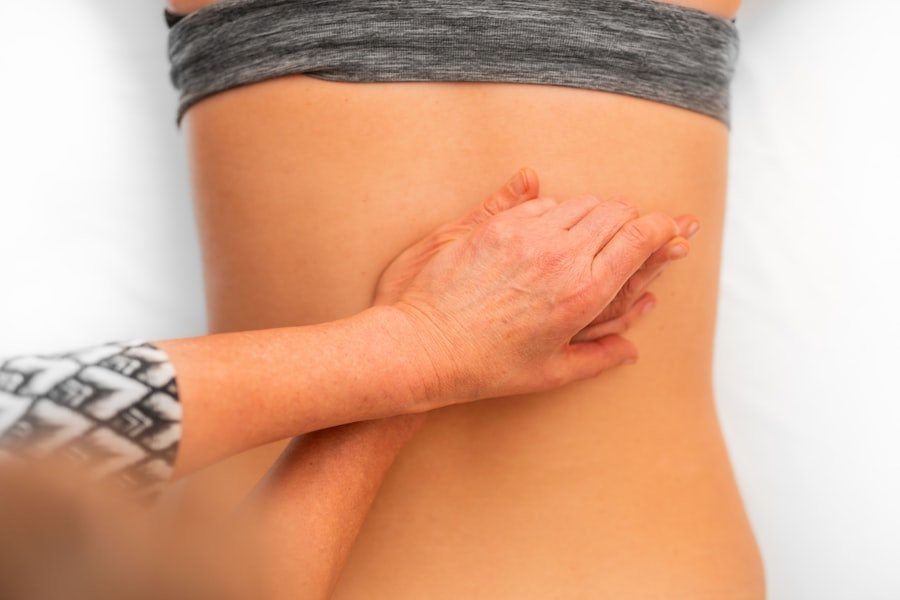
This is often the most asked question, and the answer, for many people, is a resounding yes! Most herniated discs improve with time and conservative treatments. The body has an amazing ability to heal. Over time, the inflammatory response lessens, and the body can often reabsorb some of the herniated disc material.
Here’s a look at common non-surgical approaches:
Conservative Care and Lifestyle Adjustments
These are usually the first steps we take.
- Rest (Short-term): While complete bed rest is generally not recommended as it can lead to stiffness, limiting aggravating activities for a few days can help. The goal is to stay as active as tolerable without worsening pain.
- Heat and Ice: Applying ice packs can help reduce inflammation and numbing pain in the acute phase. Heat packs can relax tense muscles and improve blood flow. You can alternate between the two as needed.
- Over-the-Counter Pain Relievers: Medications like ibuprofen (Advil, Motrin) or naproxen (Aleve) can help reduce pain and inflammation. Acetaminophen (Tylenol) can also help with pain. Always follow dosage instructions and consult your doctor if you have other health conditions.
- Gentle Activity: As pain allows, staying gently active with walking, light stretching, and avoiding prolonged sitting or standing can be beneficial. It’s about finding a balance between rest and movement.
- Posture Correction: Learning and practicing good posture, especially when sitting or lifting, can take pressure off your spine.
Physical Therapy (PT)
Physical therapy is a cornerstone of non-surgical treatment for herniated discs. A skilled physical therapist can:
- Teach Proper Body Mechanics: How to lift, bend, sit, and stand to protect your spine.
- Strengthen Core Muscles: Strong abdominal and back muscles (your “core”) provide crucial support for your spine, reducing strain on your discs.
- Improve Flexibility and Range of Motion: Stretching exercises can help relieve muscle spasms and improve your ability to move comfortably.
- Spinal Decompression Exercises: Specific exercises can sometimes help create space around the nerve or encourage the disc material to retract.
- Manual Therapy: Hands-on techniques to mobilize joints and relax tight muscles.
My clinic frequently works with excellent physical therapists in OKC, Edmond, Norman, and surrounding areas.
Medications
Beyond over-the-counter options, your doctor might prescribe stronger medications if needed.
- Muscle Relaxants: To relieve muscle spasms that often accompany disc pain.
- Nerve Pain Medications: Medications like gabapentin or pregabalin can help calm irritated nerves, especially when nerve pain is a dominant symptom.
- Oral Steroids: A short course of oral corticosteroids can be prescribed to reduce severe inflammation around the nerve.
Spinal Injections
When pain is persistent and other treatments aren’t enough, injections can be a powerful tool.
- Epidural Steroid Injections (ESIs): These involve injecting a strong anti-inflammatory medication (corticosteroid) directly into the epidural space around the affected nerve root. The goal is to reduce inflammation and pain, providing a window for physical therapy to be more effective. ESIs are not a cure for the herniation itself but can offer significant pain relief. We perform these safely and effectively in our center.
- Nerve Root Blocks: Similar to ESIs, these target a specific nerve to reduce inflammation and pain.
These injections are often performed under X-ray guidance (fluoroscopy) to ensure accurate placement of the medication.
Pain Management
For persistent pain that doesn’t fully respond to other treatments, working with a pain management specialist can provide additional strategies and support to help you manage your symptoms and improve your quality of life.
For those exploring non-surgical options for managing a herniated disc, understanding the various treatment settings can be crucial. An insightful article discusses the differences in reimbursement rates between outpatient surgical centers and hospital outpatient departments, which can impact the accessibility of care. You can read more about this topic in the article titled “ACDF in ASCs vs HOPDs: Which Setting Sees Better Reimbursements?” available here. This information may help patients make informed decisions about their treatment options.
When is Surgery Considered?
| Metrics | Information |
|---|---|
| Success Rate of Non-Surgical Treatment | Approximately 90% of patients with a herniated disc experience relief from symptoms without surgery. |
| Timeframe for Healing | Non-surgical treatments may take several weeks to months for the herniated disc to heal. |
| Non-Surgical Treatment Options | Physical therapy, medication, epidural steroid injections, and chiropractic care are common non-surgical options. |
| Factors Affecting Healing | Severity of the herniated disc, patient’s overall health, and adherence to treatment plan can impact healing without surgery. |
| Importance of Patient Understanding | Patients should understand the potential for non-surgical healing and the importance of following a comprehensive treatment plan. |
While most herniated discs heal without surgery, there are situations where surgery becomes the best or only option. When we discuss surgery, it’s always after a thorough evaluation and considering all non-surgical avenues.
Criteria for Surgical Consideration
Surgery is typically considered when:
- Conservative treatment fails: You’ve tried a comprehensive course of non-surgical treatments (physical therapy, medications, injections) for at least 6-12 weeks, and your severe pain persists or significantly impacts your quality of life.
- Progressive neurological deficits: You experience worsening numbness, tingling, or weakness in your arm or leg, indicating ongoing nerve compression. This can be a sign that the nerve is being damaged.
- Immediate “Red Flag” Symptoms: As mentioned earlier, profound weakness, loss of bowel or bladder control (Cauda Equina Syndrome), or rapidly worsening symptoms require urgent surgical evaluation.
- Unbearable pain: Your pain is so severe that it prevents you from functioning normally and is not controlled by other methods.
Common Surgical Procedures for Herniated Discs
If surgery is recommended, the goal is typically to relieve pressure on the compressed nerve.
- Microdiscectomy (Lumbar): This is the most common surgery for a herniated disc in the lower back. It’s a minimally invasive procedure where a small incision is made, and a small portion of the herniated disc material is removed to take pressure off the nerve. The rest of the healthy disc is left intact. This often leads to rapid pain relief for leg pain (sciatica).
- Anterior Cervical Discectomy and Fusion (ACDF) (Cervical): For herniated discs in the neck, this common procedure involves removing the herniated disc through an incision in the front of the neck. To stabilize the spine, the space where the disc was is then filled with a bone graft, which eventually fuses the two vertebrae together. Sometimes a plate is also used for added stability.
- Cervical Disc Replacement (Arthroplasty): In some specific cases of cervical herniated disc, where the disc is removed, an artificial disc can be implanted instead of performing a fusion. This allows for greater motion at that spinal segment compared to a fusion.
We utilize advanced techniques where appropriate, such as minimally invasive spine surgery, image guidance, and computer-guided navigation, to enhance safety and precision during these procedures. My practice as a fellowship-trained orthopedic spine surgeon ensures the most appropriate and advanced surgical care if needed.
Jeffrey Moore, MD: Your Partner in Spine Health
Navigating the complexities of a herniated disc can be overwhelming, but you don’t have to do it alone. As a fellowship-trained orthopedic spine surgeon, my philosophy is centered on compassion, clear communication, and providing confident, evidence-based care. I prioritize conservative treatments and will only recommend surgery when it’s truly in your best interest.
I serve patients throughout Oklahoma City, Edmond, Norman, Yukon, Moore, Mustang, Midwest City, and the surrounding communities, offering comprehensive spine care.
If you are experiencing back pain, neck pain, sciatica, numbness, weakness, or have received an MRI/X-ray finding related to your spine, I encourage you to seek a professional evaluation. Understanding your condition thoroughly is the first step toward relief.
Don’t let back or neck pain dictate your life.
Take the next step towards feeling better.
- Call us today: (405) 645-5475
- Book an appointment online
- Request a FREE MRI Review
Let’s work together to find the right path for your spine health.
FAQs
What is a herniated disc?
A herniated disc occurs when the soft center of a spinal disc pushes through a crack in the tougher exterior casing. This can cause pain, numbness, or weakness in the arms or legs.
Can a herniated disc heal without surgery?
In many cases, a herniated disc can heal without surgery. Non-surgical treatments such as rest, physical therapy, medication, and spinal injections can help alleviate symptoms and allow the body to heal the disc naturally.
What are the factors that determine if surgery is necessary for a herniated disc?
The decision to pursue surgery for a herniated disc depends on the severity of symptoms, the impact on daily activities, the effectiveness of non-surgical treatments, and the presence of neurological deficits.
What are the potential risks of herniated disc surgery?
Potential risks of herniated disc surgery include infection, nerve damage, spinal fluid leaks, and the need for additional surgeries in the future.
What should patients understand about the recovery process for herniated disc surgery?
Patients should understand that the recovery process for herniated disc surgery can vary depending on the type of surgery performed, but typically involves a period of rest, physical therapy, and gradual return to normal activities. It’s important to follow the surgeon’s post-operative instructions for the best outcome.