
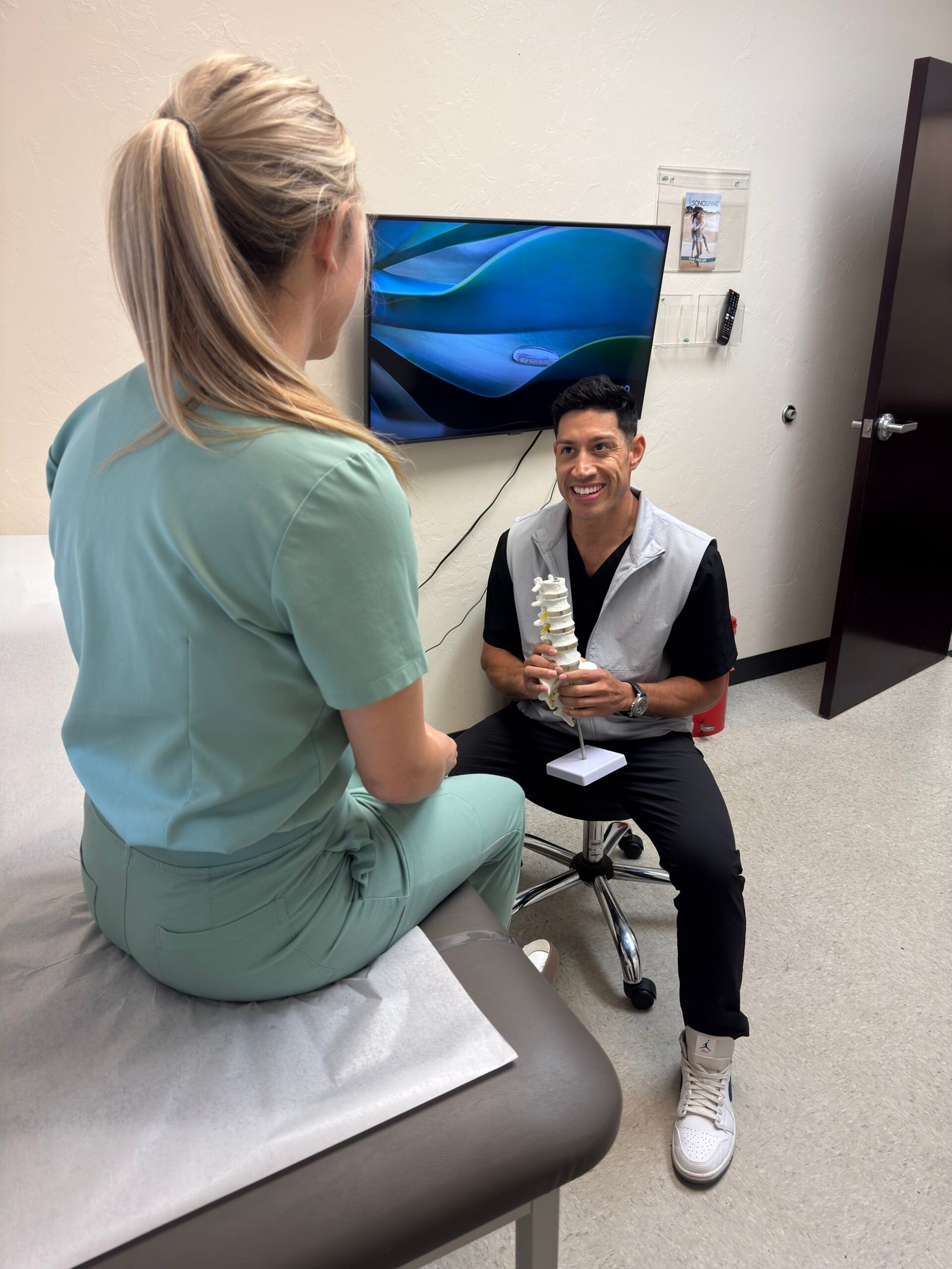
Your story matters.
So does your care.
Your symptoms, your history, your goals. Dr. Moore brings them together to help you understand what’s happening—and what can come next.
His approach includes nonsurgical care and surgical options, based on your individual evaluation.
University of Pittsburgh Medical Center


 Trustindex verifies that the original source of the review is Google.
 Trustindex verifies that the original source of the review is Google.
 Trustindex verifies that the original source of the review is Google.
 Trustindex verifies that the original source of the review is Google.
 Trustindex verifies that the original source of the review is Google.
 Trustindex verifies that the original source of the review is Google.
 Trustindex verifies that the original source of the review is Google.
 Trustindex verifies that the original source of the review is Google.
 Trustindex verifies that the original source of the review is Google.


Understand. Explore. Decide.
Tell us your story.
Discuss your symptoms, daily challenges, previous care, and what you want to get back to doing.
Understand your options.
Review your evaluation and available imaging. Ask questions about the approaches that fit your condition.
Choose your next step.
Discuss benefits, risks, alternatives, and follow-up so you can make an informed decision.
A clearer next step.
Starts here.
Good questions.
Clear next steps.
Does seeing a spine surgeon mean I need surgery?
No. An evaluation helps clarify your condition and options. Dr. Moore considers nonsurgical and surgical approaches based on your individual needs.
What should I bring to my first visit?
Bring identification, insurance information, a medication list, and available imaging and reports. Call the office to confirm how to provide outside imaging.
Can I request an MRI review?
Call the team to discuss the practice’s MRI-review service, eligibility, and how to provide your images securely. Please do not send medical records through an appointment message field.
How do I check insurance or referral requirements?
Call the office with your plan details before your visit. Your insurer can confirm your benefits, authorization requirements, and expected costs.
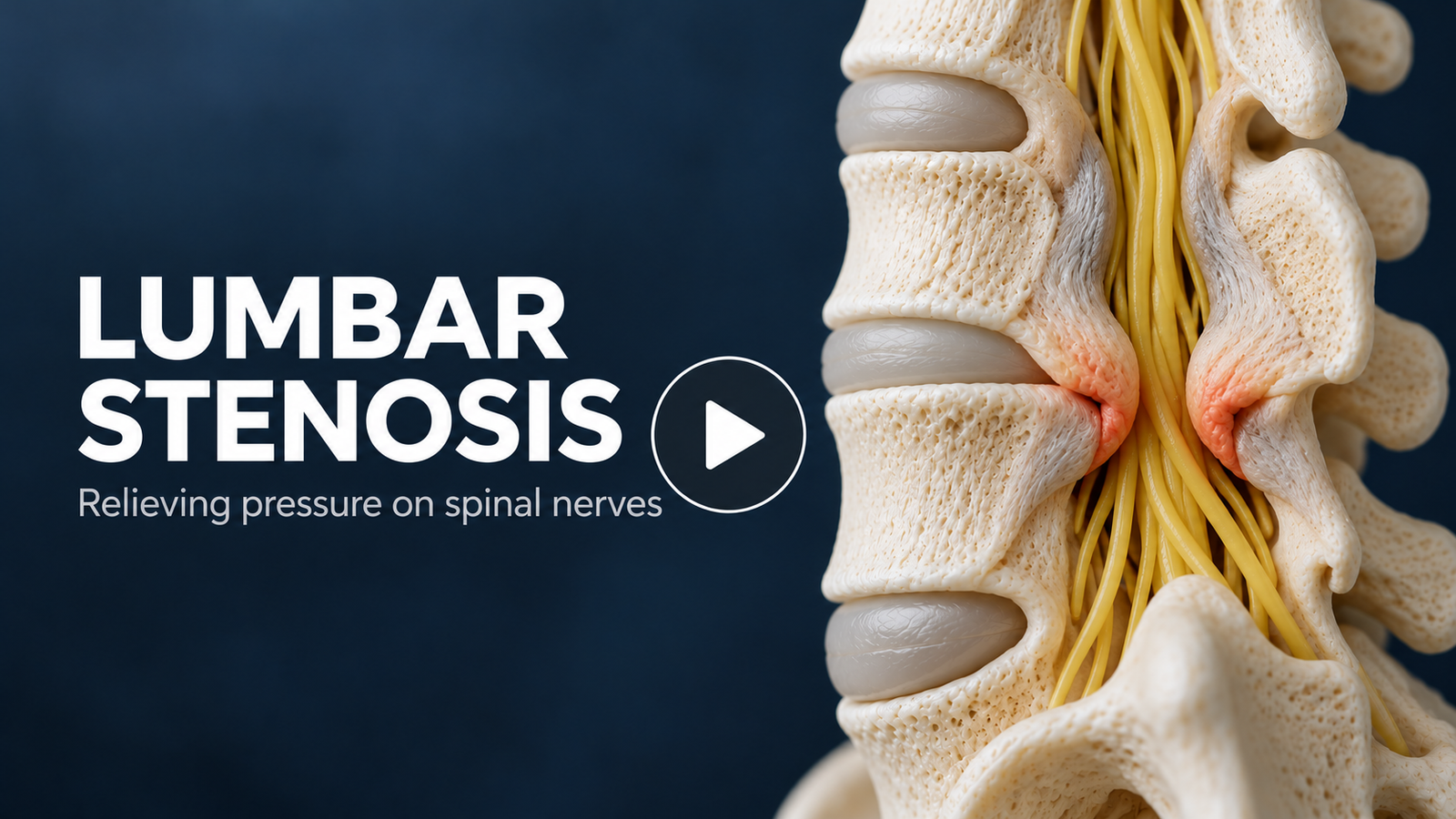
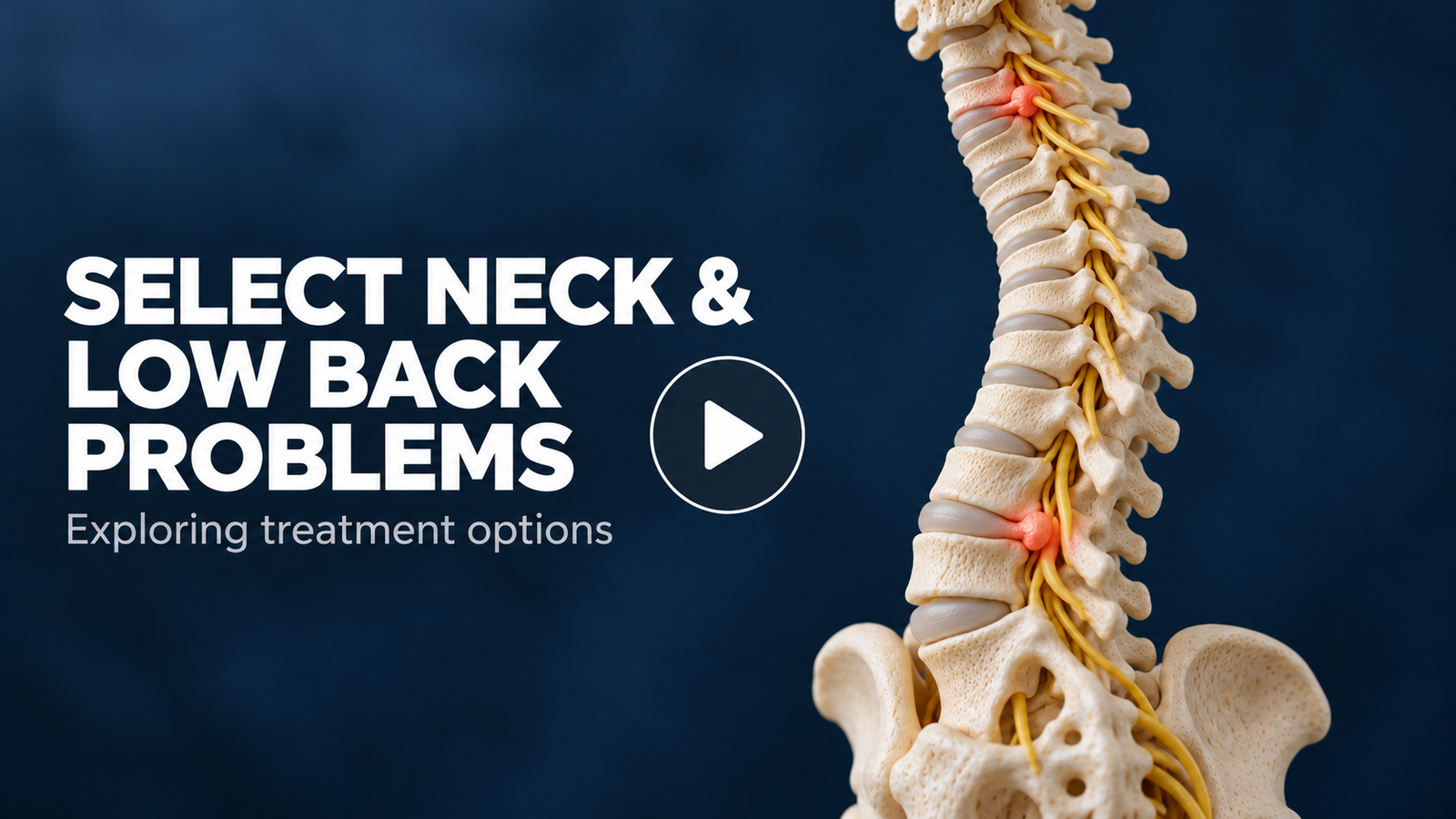
Conditions That May Be Treated with Endoscopic Techniques
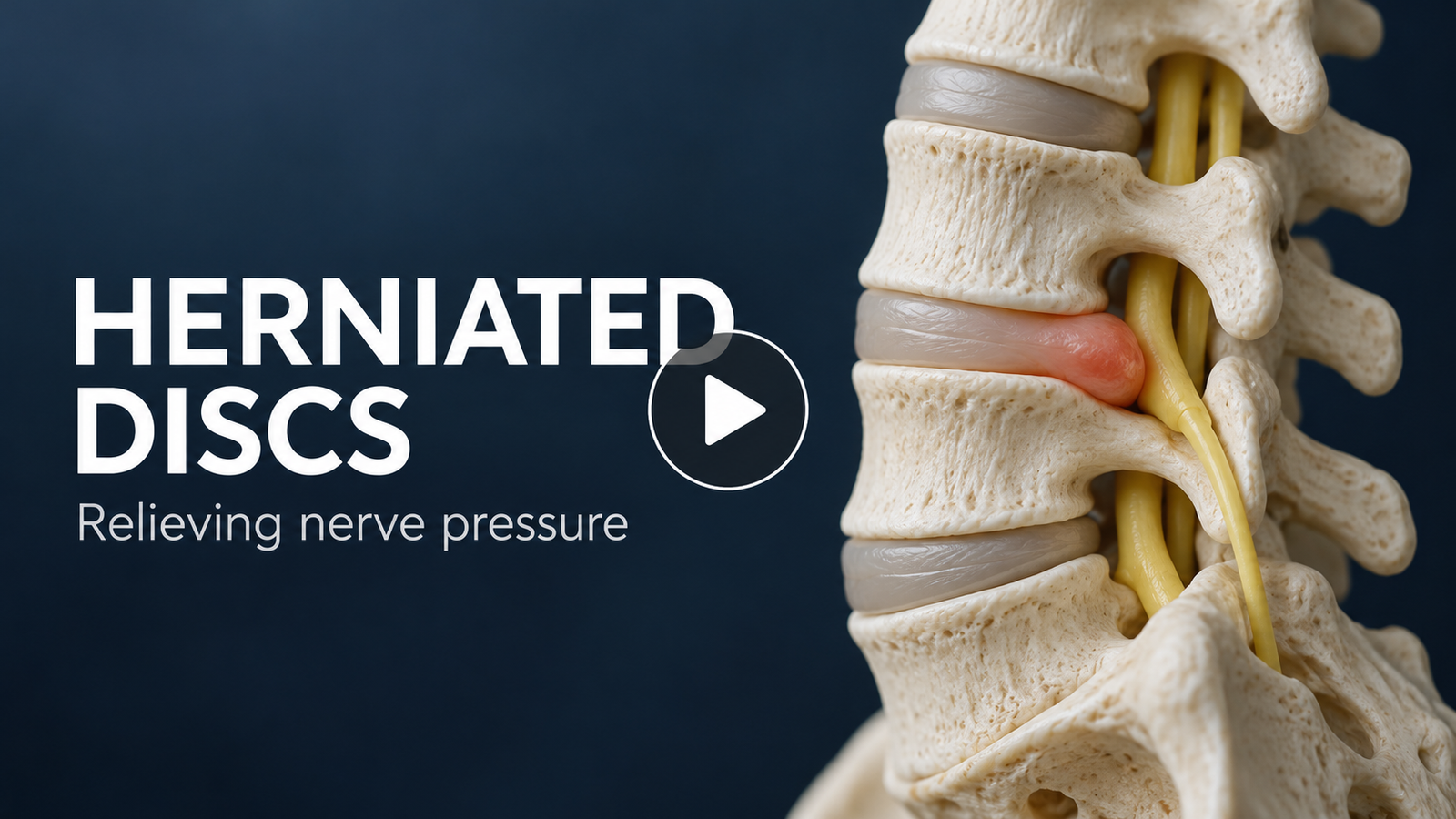
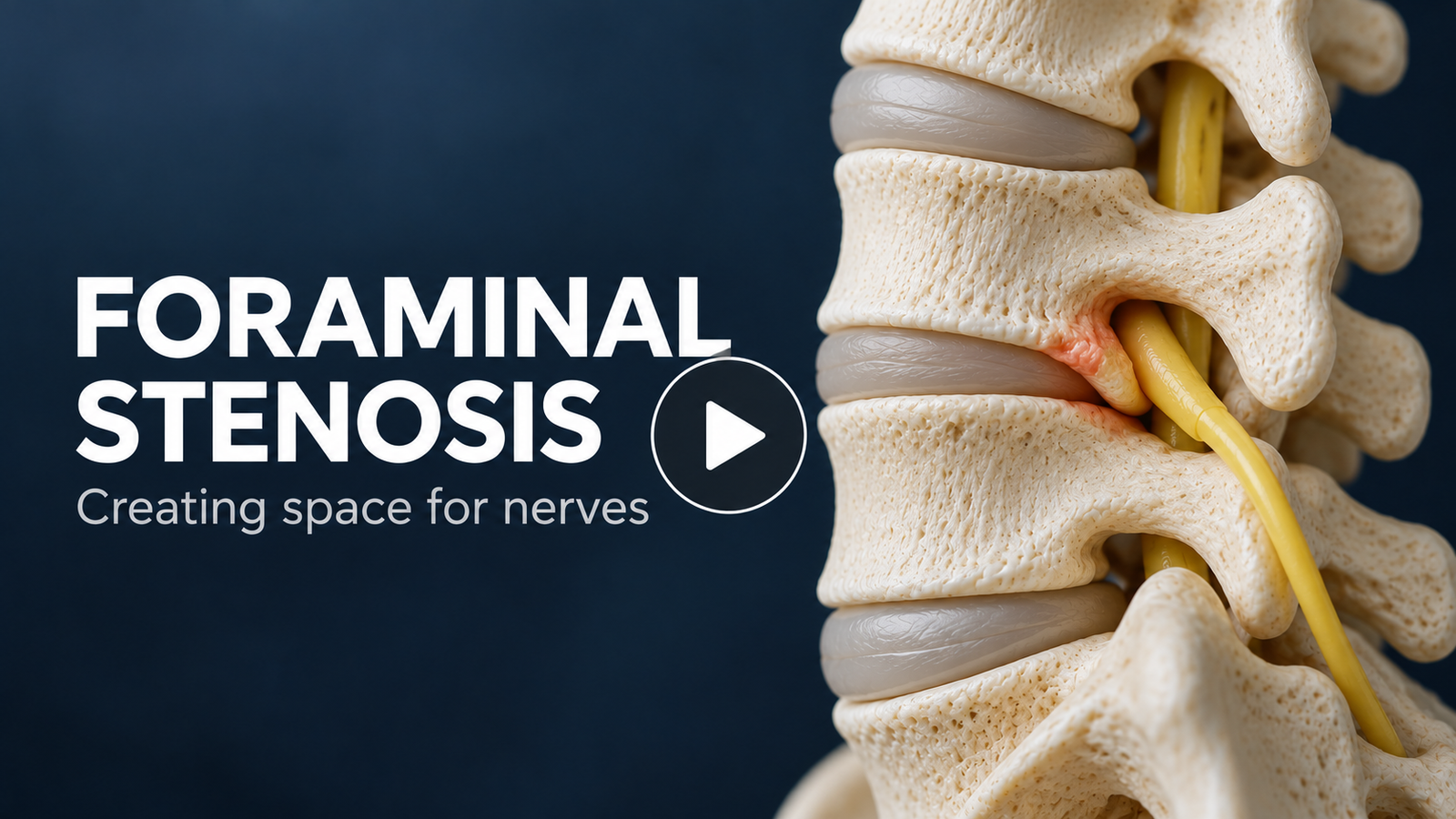
Not every spine condition is appropriate for endoscopic surgery, but in the right situation, it can be a powerful option. Depending on your anatomy and imaging findings, endoscopic techniques may be considered for:


Two locations. One care team.
Make room for
what matters.
Talk with our team about an appointment.