
Spinal Cord Stimulation • Oklahoma City, OK
Spinal Cord Stimulation
Persistent pain can make everyday activities difficult, even after treatment. Spinal cord stimulation is an option for selected people with chronic nerve-related pain that has not responded adequately to other care. An evaluation can help you understand whether a stimulation trial belongs in your treatment plan.
- An option for selected chronic nerve pain
- A temporary trial before an implant
- Adjustable stimulation settings
- Ongoing care tailored to your goals
Stimulation aims to manage pain; it does not repair a damaged disc or relieve structural nerve compression. Results vary, and complete or lasting pain relief is not guaranteed.
What Is Spinal Cord Stimulation?
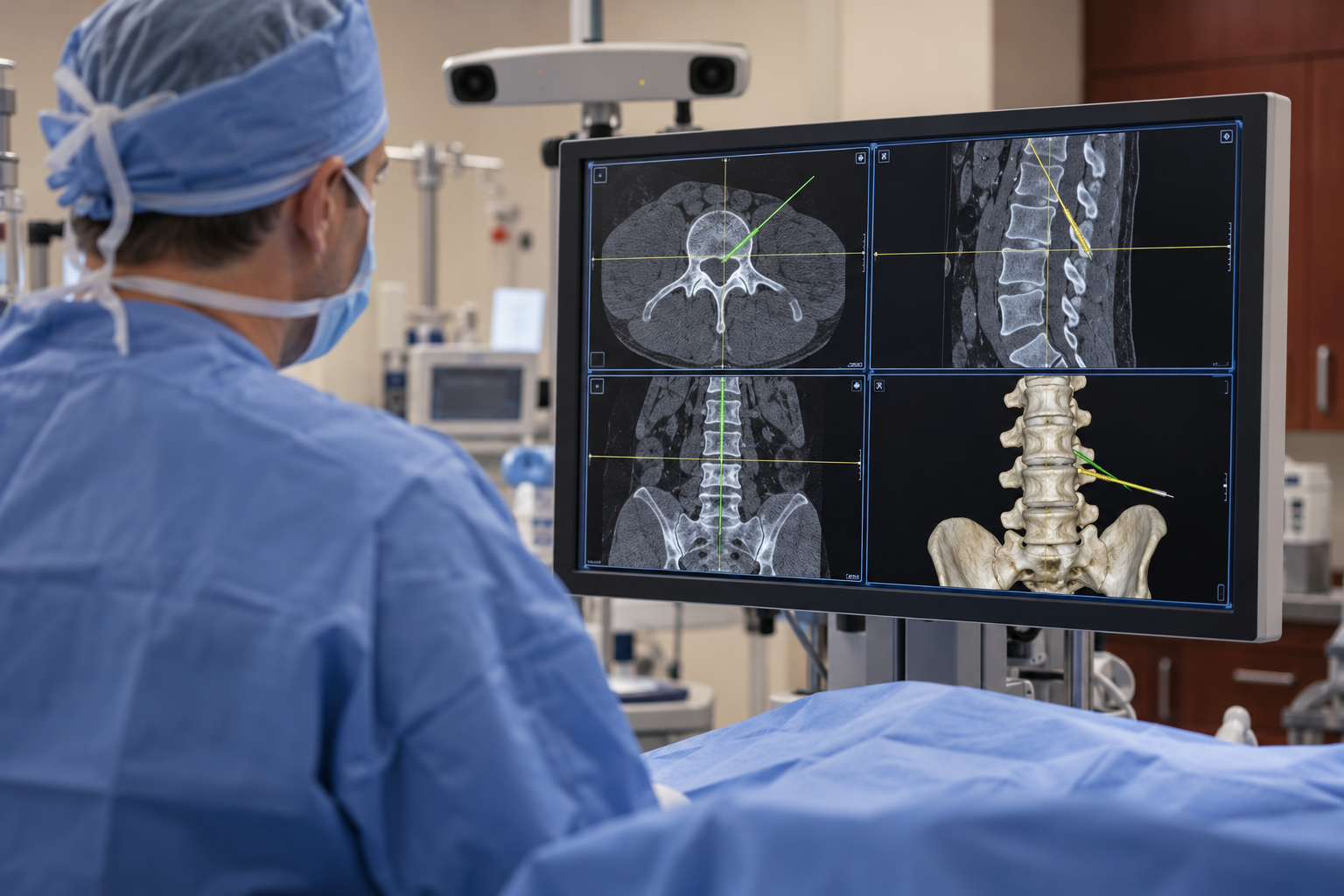
Spinal cord stimulation (SCS) uses mild electrical pulses to change how pain signals are processed. Thin wires, called leads, sit in the epidural space near the spinal cord. They connect to a small generator that delivers stimulation, with settings adjusted to your needs.
For a permanent system, the generator is placed under the skin. Some devices produce a tingling sensation, while others deliver stimulation without noticeable tingling. The care team explains how to use the controller and whether your system requires charging.
Goals of Spinal Cord Stimulation
- Aim for meaningful pain relief rather than a cure.
- Assess whether everyday activities become easier.
- Use stimulation within a broader pain care plan.

Start with a Trial, Then Decide
A temporary trial uses leads connected to an external generator so you can assess pain relief and daily function before considering an implant. If the trial provides meaningful benefit, you and the treating specialist can discuss permanent placement. After implantation, follow-up programming and activity restrictions support recovery and ongoing device care.
When Might Stimulation Be Considered?
A pain specialist may consider stimulation when appropriate treatments, such as rehabilitation, medication or injections, have not provided enough relief. Potential candidates include selected people with:
- Persistent nerve-related back or leg pain after spine surgery
- Complex regional pain syndrome (CRPS)
- Other chronic neuropathic pain conditions after specialist assessment
- Chronic back and leg pain when further corrective surgery is not appropriate
Is Spinal Cord Stimulation Right for You?
A careful assessment comes before a trial. Your diagnosis, treatment history and goals help determine whether stimulation or another approach makes more sense. Evaluation typically addresses:
- Your symptoms, imaging and response to previous treatments
- Medical and psychological screening, expectations and readiness to manage a device
- Trial results, recovery needs and a plan for continued follow-up
Risks include infection, bleeding, lead movement, device problems and rare nerve injury. Relief may decrease over time, and revision or removal may be necessary. Evidence varies by condition, and long-term benefits for low back pain remain uncertain.
Questions to Ask at Your Consultation
- Is stimulation appropriate for my type of pain, and what are the alternatives?
- How will we measure success during the trial?
- What are the risks, recovery restrictions and ongoing costs?
- Will this device allow MRI scans, and what charging or maintenance is needed?
Ready to Explore Your Pain Care Options?
If persistent back or leg pain is limiting your life, a consultation with Dr. Moore can help you review your condition and treatment options, including whether evaluation by a spinal cord stimulation specialist may be appropriate.