
Laminoplasty / Fusion • Oklahoma City, OK
Cervical Laminoplasty and Fusion Options
Cervical laminoplasty and fusion are different surgical options used in selected neck conditions. Laminoplasty creates more space for the spinal cord while aiming to preserve movement. Fusion joins selected vertebrae for stability. Jeffrey A. Moore, MD can review your symptoms and imaging to explain which approach may fit your needs.
- Cervical spinal cord decompression
- Motion-preserving options when suitable
- Fusion when stability is needed
- Treatment matched to your anatomy
Laminoplasty does not routinely include fusion. These procedures address different needs, and neither is the right choice for every person with neck pain or spinal stenosis.
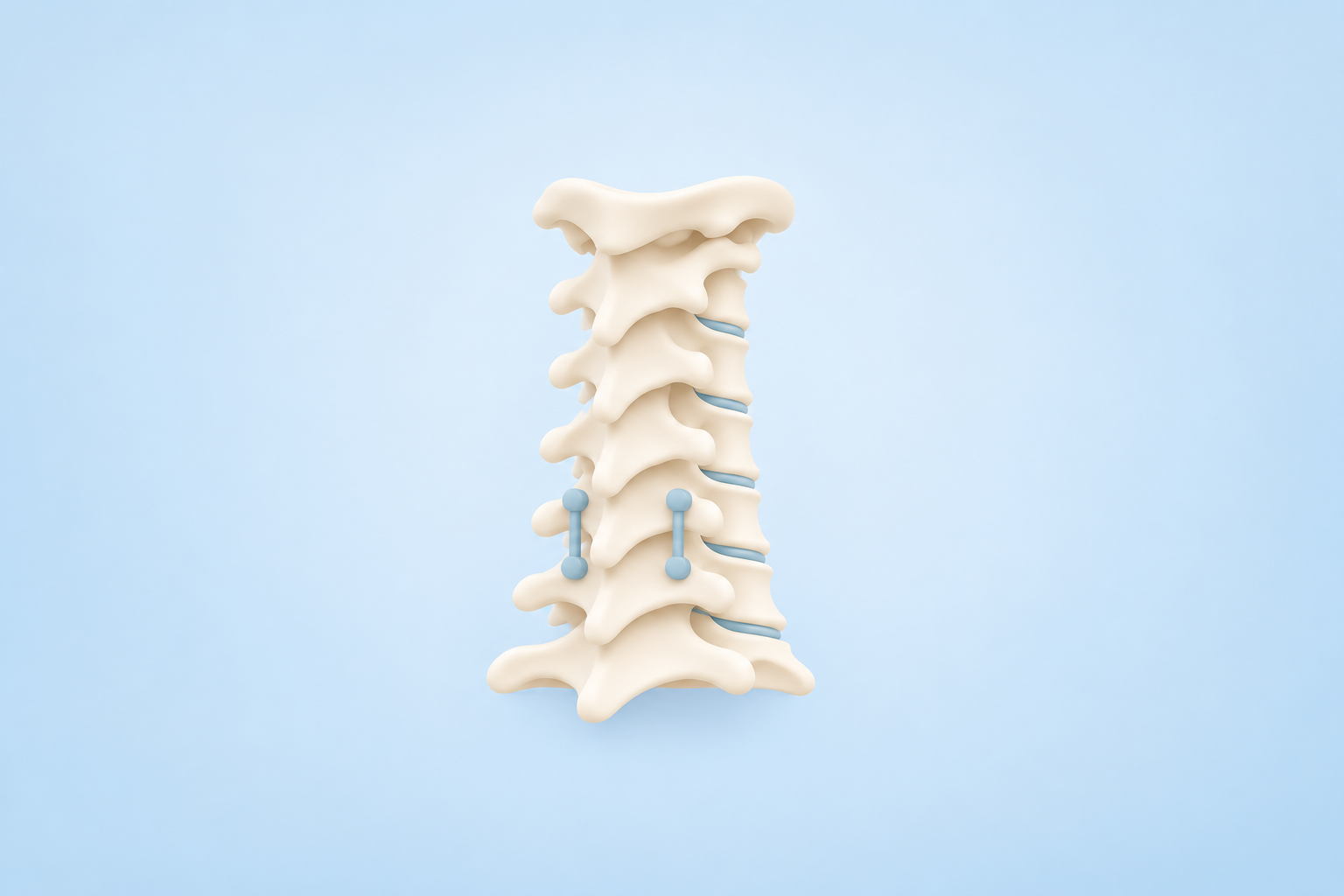
Laminoplasty and Fusion: What’s the Difference?
Both procedures may be discussed when evaluating cervical spinal stenosis or myelopathy, but their roles differ:
- Laminoplasty expands the spinal canal by opening and reshaping the lamina at the back of the neck.
- Fusion uses bone graft to join two or more vertebrae and reduce movement between them.
- Laminectomy with fusion combines removal of bone for decompression with stabilization.
A laminoplasty is not the same as a laminectomy. Laminoplasty reshapes and opens the bony arch; laminectomy removes it. Your surgeon will explain whether decompression alone or decompression with fusion is appropriate.
What Guides the Recommendation?
- Location and severity of spinal cord pressure
- Number of cervical levels involved
- Neck alignment and available movement
- Evidence of spinal instability
- Neck pain and neurological symptoms
- Overall health and previous surgery
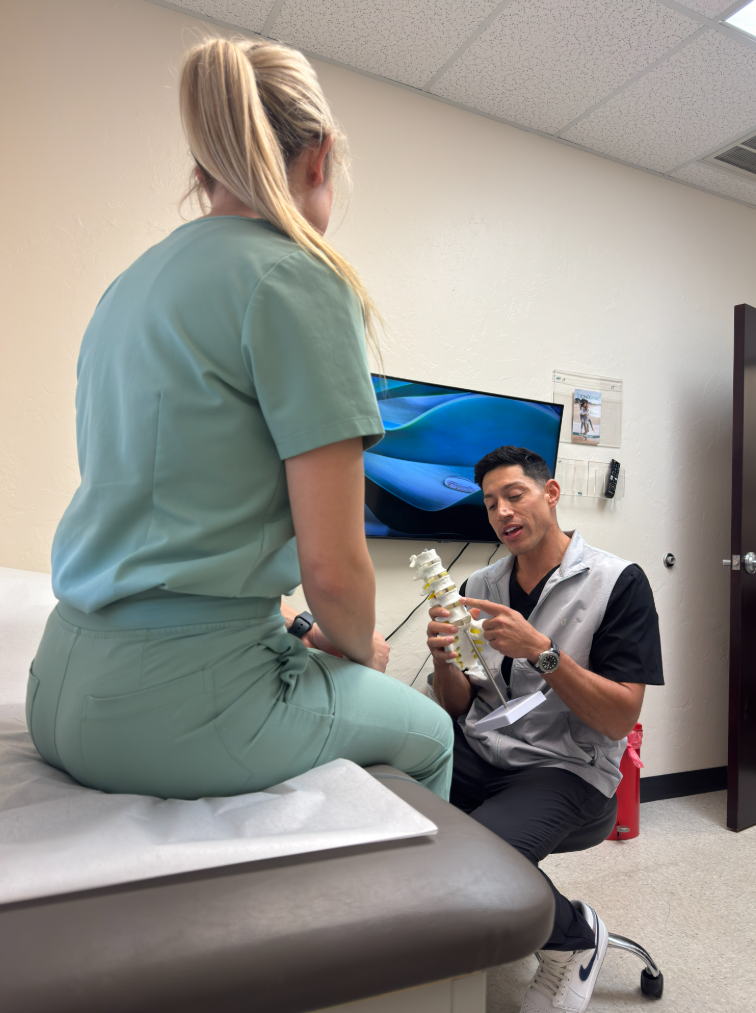
More Room for the Spinal Cord
Narrowing of the cervical spinal canal can put pressure on the spinal cord, affecting hand coordination, strength, or walking. Decompression aims to create space and limit further neurological decline. Some symptoms may improve, but longstanding spinal cord damage may not fully recover.
Who May Be a Candidate?
Laminoplasty is generally considered for selected people with compression across multiple neck levels, suitable alignment, and no significant instability. An evaluation may be appropriate for:
- Multilevel cervical stenosis with spinal cord compression
- Cervical myelopathy affecting hand dexterity or balance
- Selected cases of ligament hardening, called OPLL
- Progressive neurological changes that require timely surgical assessment
Dr. Moore can review your examination, MRI, and other imaging to assess compression, alignment, and stability. Significant deformity, instability, or prominent mechanical neck pain may favor fusion or another approach rather than laminoplasty.
What Happens During Surgery?
The details depend on your diagnosis and the chosen approach. Posterior cervical procedures generally involve:
- General anesthesia and an incision at the back of the neck.
- For laminoplasty, carefully opening the lamina to enlarge the spinal canal.
- Securing the opening with small plates, screws, or spacers, without routinely fusing adjacent vertebrae.
A fusion may instead involve decompression and placement of bone graft, often supported by screws and rods. The bones gradually heal together over months; hardware supports the spine during that process.
Recovery After Surgery
- A hospital stay for monitoring and safe mobilization may be needed.
- Neck and shoulder soreness is common early in recovery.
- Follow individualized instructions for walking, lifting, collar use, and driving.
- Rehabilitation and follow-up imaging are tailored to your procedure and healing.
Benefits, Risks, and Important Differences
The aim is an appropriate balance of decompression, stability, and movement. Discuss the expected benefits and tradeoffs for your particular condition:
Spinal Cord Decompression
Creating more space may help protect spinal cord function. Preventing worsening can be an important goal even when complete recovery is unlikely.
Preserving Neck Motion
Laminoplasty usually avoids joining adjacent vertebrae and can retain more movement than fusion. Some stiffness or loss of motion can still occur.
Stability When Needed
Fusion limits movement at the treated levels to provide stability. Which levels are joined affects how much neck movement changes.
Surgical Risks
Possible complications include infection, bleeding, spinal fluid leakage, nerve or spinal cord injury, anesthesia problems, and new shoulder or arm weakness.
Procedure-Specific Concerns
Laminoplasty may leave persistent neck pain or develop alignment or hardware problems. Fusion can fail to heal or place added stress on nearby levels. Further surgery may be needed.
Recovery Varies
Recovery depends on your health, the number of levels treated, and preexisting nerve injury. Pain relief, improved function, and return to work cannot be guaranteed.
Discuss Your Cervical Spine Options
If neck-related spinal cord compression is affecting your daily life, a consultation with Dr. Moore can help you understand the findings and compare laminoplasty, fusion, and other appropriate options.
- Review your symptoms, examination, and available imaging.
- Compare decompression, motion preservation, and stabilization.
- Discuss realistic goals, risks, and recovery expectations.