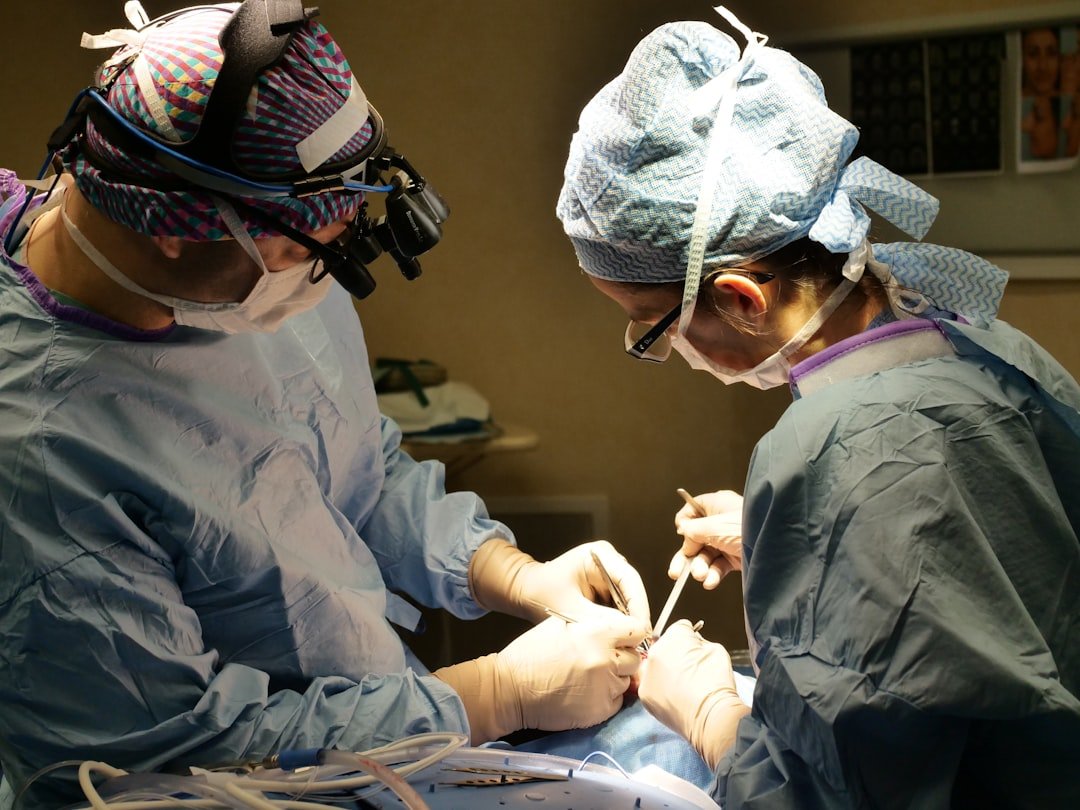
When you’re experiencing persistent back or neck pain, the thought of surgery can be daunting. You might envision lengthy recovery times and significant disruptions to your life. The good news is that advancements in spinal care, particularly minimally invasive spine surgery (MISS), have changed this landscape considerably. MISS aims to achieve the same goals as traditional open surgery but with smaller incisions, less muscle disturbance, and often, a faster recovery. But who truly benefits from this approach? This article will explore what minimally invasive spine surgery entails and help you understand if it might be a suitable option for your unique situation.
Minimally invasive spine surgery (MISS) refers to a collection of surgical techniques that allow spine surgeons to access the spine through smaller incisions than traditional open surgery. Instead of making a large incision and retracting large amounts of muscle, MISS techniques use specialized instruments and often a small camera (endoscope) or microscope to visualize the surgical area.
How Does MISS Work?
Imagine threading a needle through a small opening rather than tearing open a large seam. That’s a simplified way to think about MISS. Surgeons use tubular retractors, which are small tubes inserted through a tiny incision. These tubes gently push muscle tissue aside rather than cutting through it. Through these tubes, specialized instruments and sometimes an endoscope or microscope are inserted. The surgeon then performs the necessary procedures, such as removing a herniated disc, decompressing a nerve, or stabilizing the spine.
Benefits of MISS
The primary goal of MISS is to achieve the same surgical outcome as traditional open surgery while minimizing the impact on surrounding tissues. This minimized impact often translates to several potential benefits for the patient:
- Smaller Incisions: Leads to less scarring.
- Less Muscle Damage: Muscles are gently pushed aside rather than cut, which can reduce pain and speed recovery.
- Reduced Blood Loss: Smaller incisions and less tissue disruption generally mean less blood loss during surgery.
- Lower Risk of Infection: Smaller opening decreases exposure to potential contaminants.
- Less Postoperative Pain: Due to less tissue trauma, patients often experience less pain after MISS compared to open surgery.
- Shorter Hospital Stay: Many MISS procedures allow for shorter hospital stays, sometimes even outpatient surgery.
- Faster Recovery Time: A quicker return to daily activities and work is often possible.
It’s important to understand that while these benefits are common, individual results can vary based on the specific procedure, your overall health, and commitment to rehabilitation.
If you’re interested in learning more about the qualifications and expertise of the professionals performing Minimally Invasive Spine Surgery, you may find the article on the team at Jeffrey Moore Spine particularly insightful. This resource provides an overview of the specialists involved in spinal care and their commitment to advanced surgical techniques. For more information, you can visit their team page at Jeffrey Moore Spine Team.
Common Conditions Treated with MISS
Minimally invasive techniques are increasingly being used to address a wide range of spinal conditions that previously required open surgery. The goal is always to treat the underlying cause of your pain effectively.
Lumbar Disc Herniation
One of the most common applications of MISS is for herniated discs in the lower back (lumbar spine). A herniated disc occurs when the soft, gel-like center of a spinal disc pushes through a tear in its tougher outer layer, irritating nearby nerves.
- Symptoms: This can cause sciatica – shooting pain, numbness, or weakness that travels down one leg.
- MISS Treatment: A lumbar microdiscectomy, often performed minimally invasively, involves removing the herniated portion of the disc to relieve pressure on the nerve.
Spinal Stenosis
Spinal stenosis is a narrowing of the spinal canal, which can put pressure on the spinal cord and nerves. It’s often caused by age-related wear and tear, bone spurs, or thickened ligaments.
- Symptoms: Common symptoms include pain, numbness, tingling, or weakness in the back, buttocks, and legs, often worsening with walking and relieved by leaning forward.
- MISS Treatment: Minimally invasive decompression techniques, such as a laminotomy or foraminotomy, can remove bone or ligament tissue that is compressing the nerves, creating more space. Ultrasonic decompressions are a specific advanced technique that allows for very precise removal of bone with less damage to surrounding structures.
Spinal Instability and Degenerative Disc Disease
When discs degenerate (wear down) or ligaments become loose, the spine can become unstable, leading to pain and potentially nerve compression.
- Symptoms: Chronic low back pain, leg pain, and sometimes difficulty with certain movements.
- MISS Treatment: For some cases of instability, minimally invasive spinal fusion might be an option. This procedure involves joining two or more vertebrae together to eliminate movement between them. Techniques like ProneTransPsoas (PTP) allow for a minimally invasive approach to lumbar fusion, accessing the spine from the side while the patient is lying prone. Disc replacement, where a damaged disc is removed and replaced with an artificial one, can also be performed minimally invasively in select cases, preserving motion in the spine.
Spinal Deformities (e.g., Scoliosis)
While complex spinal deformities like severe scoliosis often require extensive open surgery, some less severe or specific types of scoliosis can be managed with MISS techniques, particularly in adults.
- Symptoms: Back pain, uneven shoulders or hips, visible curvature of the spine.
- MISS Treatment: For appropriate candidates, minimally invasive approaches can correct some aspects of the curvature or stabilize segments of the spine through fusion, with less muscle disruption than traditional methods.
Spine Trauma follow-up
Following initial treatment for spinal fractures or injuries, follow-up procedures may be necessary to address residual pain, instability, or nerve compression. Minimally invasive techniques can sometimes be employed in these scenarios to achieve specific goals with less additional trauma.
Who is a Good Candidate for Minimally Invasive Spine Surgery?
Determining if you are a good candidate for MISS involves a thorough evaluation by a qualified spine surgeon. It’s not a one-size-fits-all solution; what works for one person may not be ideal for another.
Conservative Treatment First
A fundamental principle in spinal care is to exhaust all conservative (non-surgical) treatment options before considering surgery. This typically includes:
- Physical Therapy: Exercises to strengthen muscles, improve flexibility, and posture.
- Medications: Anti-inflammatory drugs, muscle relaxants, or neuropathic pain medications.
- Spinal Injections: Corticosteroid injections to reduce inflammation and pain around nerves.
- Lifestyle Modifications: Weight management, ergonomic adjustments, and activity modification.
If you have tried these approaches diligently for a reasonable period (often several weeks to months) and your pain persists or significantly limits your quality of life, then surgery may become a consideration.
Specific Diagnosis and Imaging Findings
Your diagnosis is crucial. MISS is most effective for conditions where there is a clear, identifiable anatomical problem that can be addressed surgically to relieve nerve compression or stabilize the spine.
- MRI (Magnetic Resonance Imaging): This advanced imaging technique provides detailed views of soft tissues like discs, nerves, and the spinal cord. An MRI helps pinpoint herniated discs, spinal stenosis, tumors, or infections.
- X-rays: X-rays are excellent for visualizing bone structures, identifying fractures, spinal alignment issues, and signs of arthritis or instability.
- CT Scan (Computed Tomography): A CT scan provides detailed cross-sectional images of bone, which can be useful for assessing bone spurs or complex fractures.
Your surgeon will carefully review these images in conjunction with your symptoms and physical examination findings to confirm a diagnosis and determine if the problem is amenable to a minimally invasive approach. A clear correlation between your symptoms and the imaging findings is often a strong indicator.
Overall Health and Lifestyle
Your general health plays a significant role in surgical candidacy.
- Good Health: Generally, patients in good overall health with no major uncontrolled medical conditions (like severe heart disease, uncontrolled diabetes, or significant bleeding disorders) are better candidates.
- Non-Smoker: Smoking significantly impairs healing and increases surgical risks, including a higher chance of fusion failure and complications. Quitting smoking is strongly advised before any spinal surgery.
- Realistic Expectations: Understanding the potential benefits and limitations of surgery, and recognizing that recovery requires commitment to rehabilitation, is key. MISS is a tool to address a specific problem; it’s not a magic cure for all pain. It’s about being empowered to regain function and reduce pain, but often requires your active participation in physical therapy after surgery.
Neurological Deficits
For some conditions, particularly those involving nerve compression, objective neurological findings can guide the decision for surgery.
- Progressive Weakness: If you are experiencing increasing weakness in your arms or legs, or difficulty with walking.
- Numbness or Tingling: Persistent and severe numbness or tingling that significantly impairs function.
- Bowel or Bladder Dysfunction: This is a crucial safety red flag. New onset bowel or bladder incontinence or difficulty urinating can indicate significant spinal cord or cauda equina compression and requires urgent medical attention. If you experience these symptoms, seek immediate professional medical care.
When MISS Might Not Be the Best Option
While MISS offers many advantages, it’s not universally suitable for every spinal condition or every patient.
Complex Spinal Conditions
Some complex spinal issues may still require traditional open surgery to achieve the best outcome. These can include:
- Severe Spinal Deformities: Extensive scoliosis or kyphosis that requires significant correction and fusion over multiple segments.
- Extensive Trauma: Severe fractures or dislocations where broad access is needed for reconstruction.
- Revision Surgeries: Cases where previous surgeries have failed, and scar tissue or anatomical changes make a minimally invasive approach too challenging or risky.
- Large Tumors or Cysts: If a large mass needs to be removed, a wider surgical field may be necessary.
Anatomic Limitations
In some patients, unique anatomical features or previous surgical history might make a minimally invasive approach more difficult or less safe. For example, severe obesity can sometimes make MISS technically more challenging due to the depth of tissue that needs to be traversed.
Presence of Instability Requiring Extensive Stabilization
While some forms of instability can be addressed with MISS fusion, severe instability affecting multiple spinal levels or requiring complex reconstructive efforts may still necessitate an open approach for optimal visualization and hardware placement.
Your surgeon will thoroughly evaluate your specific anatomy and condition to determine the most appropriate surgical approach for you, prioritizing your safety and the best possible long-term results.
Minimally invasive spine surgery has gained popularity for its potential benefits, but determining who is a good candidate for this procedure can be complex. For those interested in exploring related advancements in spinal treatments, the article on total disc replacement offers valuable insights into the latest research and outcomes. Understanding these developments can help patients make informed decisions about their options. To learn more, you can read the article here: total disc replacement.
The Role of Your Spine Surgeon
| Criteria | Description | Typical Candidate Profile | Exclusion Factors |
|---|---|---|---|
| Age | Patient’s age range suitable for minimally invasive spine surgery (MISS) | Adults 18-70 years | Severe osteoporosis in elderly patients |
| Condition Type | Spinal conditions treatable with MISS | Herniated discs, spinal stenosis, degenerative disc disease | Severe spinal deformities, tumors, infections |
| Symptom Severity | Level of pain and neurological symptoms | Moderate to severe pain with nerve compression symptoms | Minimal symptoms or widespread neurological deficits |
| Overall Health | Patient’s general health and ability to undergo surgery | Good general health, no major comorbidities | Severe cardiovascular or pulmonary disease |
| Previous Spine Surgery | History of prior spine surgeries | No or limited prior spine surgeries | Multiple complex prior surgeries |
| Imaging Findings | Diagnostic imaging supporting MISS candidacy | Localized disc herniation or stenosis visible on MRI/CT | Diffuse or multi-level disease not amenable to MISS |
| Patient Expectations | Realistic understanding of surgery outcomes | Willingness to follow post-op rehabilitation | Unrealistic expectations or non-compliance |
Choosing the right spine surgeon is paramount to ensuring you receive appropriate care. Dr. Jeffrey A. Moore is a fellowship-trained Orthopedic Spine Surgeon with extensive experience in both complex traditional and state-of-the-art minimally invasive techniques, including ProneTransPsoas (PTP) for lumbar fusions and ultrasonic decompressions. His practice in Oklahoma City serves the greater OKC metro, including Norman, Edmond, and Yukon.
A qualified surgeon will:
- Conduct a Thorough Examination: This includes a detailed history of your symptoms, a physical examination, and neurological assessment.
- Review All Imaging: Carefully examine your X-rays, MRI, or CT scans to understand the precise nature of your spinal problem.
- Discuss Conservative Options: Ensure all appropriate non-surgical treatments have been considered and exhausted.
- Explain All Treatment Paths: Present both surgical and non-surgical options, explaining the risks, benefits, and expected outcomes of each.
- Tailor Treatment to You: Develop a personalized treatment plan based on your specific condition, overall health, and lifestyle.
- Prioritize Safety and Efficacy: Recommend the approach that offers the highest likelihood of a successful outcome with the lowest risk, whether that is minimally invasive or traditional open surgery.
Minimally invasive spine surgery has gained popularity for its potential to reduce recovery time and improve patient outcomes, but understanding who is a good candidate for this procedure is crucial. For those interested in the latest trends and leadership developments in the field of spine surgery, a related article discusses recent changes in orthopedic leadership that may influence surgical practices and patient care. You can read more about these developments in spine and orthopedic leadership by visiting this article.
Frequently Asked Questions About MISS
Q: Is minimally invasive spine surgery always better than open surgery?
A: Not necessarily. While MISS often offers benefits like faster recovery and less pain, the “better” approach depends entirely on your specific condition, its severity, and other individual factors. The most important thing is choosing the surgery that most effectively treats your problem.
Q: How long is the recovery from MISS?
A: Recovery times vary significantly based on the specific procedure performed and individual factors. Generally, recovery from MISS is faster than from traditional open surgery, with some patients returning to light activities within weeks. Your surgeon will provide a personalized recovery timeline.
Q: Does insurance cover minimally invasive spine surgery?
A: Most insurance plans cover medically necessary spinal surgeries, including minimally invasive procedures. It’s always best to check with your insurance provider and the surgeon’s office for specific coverage details related to your plan.
Q: Can I still have MISS if I’ve had previous back surgery?
A: It depends on the nature of your previous surgery, the current problem, and the extent of scar tissue. In some cases, MISS can be performed as a revision surgery, but sometimes an open approach may be safer or more effective. Your surgeon will evaluate this carefully.
Q: What are the safety red-flags I should be aware of?
A: While mild back pain is common, always seek immediate medical attention if you experience:
- Sudden, severe weakness or numbness in your legs.
- New inability to control your bowel or bladder function (cauda equina syndrome).
- Fever, chills, or unexplained weight loss accompanying back pain.
- Pain that significantly worsens at night or is unrelieved by rest.
These symptoms can indicate serious underlying conditions.
Taking the Next Step
Understanding your options is the first step toward finding relief from persistent back or neck pain. If you’re experiencing ongoing discomfort and believe you might be a candidate for advanced spinal care, including minimally invasive techniques such as ProneTransPsoas (PTP) or ultrasonic decompressions, consulting with a specialist is crucial. Dr. Jeffrey A. Moore and his team are dedicated to providing compassionate, evidence-based care to the Oklahoma City metro area, including Norman, Edmond, and Yukon.
To discuss your condition and learn more about whether minimally invasive spine surgery or other treatments are right for you, please reach out to us. We offer a FREE MRI review/2nd opinion service to help you understand your diagnostic imaging and explore your options.
Call us today at (405) 645-5475 or book your appointment online at JeffreyMooreSpine.com.
FAQs
What is minimally invasive spine surgery?
Minimally invasive spine surgery (MISS) is a type of surgical procedure that uses smaller incisions and specialized instruments to access the spine. This approach aims to reduce tissue damage, minimize pain, and shorten recovery time compared to traditional open spine surgery.
Who is a good candidate for minimally invasive spine surgery?
Good candidates for MISS typically include patients with certain spinal conditions such as herniated discs, spinal stenosis, degenerative disc disease, or spinal instability who have not responded well to conservative treatments like physical therapy or medication. The suitability depends on the specific diagnosis, overall health, and the surgeon’s assessment.
Are there any medical conditions that might disqualify someone from minimally invasive spine surgery?
Yes, certain medical conditions such as severe osteoporosis, active infections, or significant spinal deformities may make minimally invasive spine surgery less appropriate. Additionally, patients with certain health issues that increase surgical risk may not be ideal candidates.
What are the benefits of minimally invasive spine surgery compared to traditional surgery?
Benefits of MISS include smaller incisions, less muscle and tissue damage, reduced blood loss, decreased postoperative pain, shorter hospital stays, faster recovery times, and smaller scars.
How is the decision made between minimally invasive and traditional spine surgery?
The decision is based on factors such as the type and severity of the spinal condition, patient anatomy, overall health, and the surgeon’s expertise. Imaging studies and clinical evaluations help determine the most appropriate surgical approach.
Is minimally invasive spine surgery suitable for all types of spinal problems?
No, MISS is not suitable for all spinal conditions. Complex spinal deformities, extensive tumors, or certain trauma cases may require traditional open surgery for adequate treatment.
What should patients expect during recovery from minimally invasive spine surgery?
Recovery typically involves less pain and quicker mobilization compared to open surgery. Patients may be able to return to normal activities sooner, but recovery time varies depending on the procedure and individual health factors.
Can minimally invasive spine surgery be performed on elderly patients?
Yes, many elderly patients can benefit from MISS due to its less invasive nature and quicker recovery. However, candidacy depends on overall health, bone quality, and specific spinal issues.
Are there any risks associated with minimally invasive spine surgery?
As with any surgery, risks include infection, bleeding, nerve injury, and complications related to anesthesia. However, the minimally invasive approach generally reduces these risks compared to traditional surgery.
How can I find out if I am a candidate for minimally invasive spine surgery?
Consulting with a spine specialist or neurosurgeon is essential. They will evaluate your symptoms, medical history, and imaging studies to determine if minimally invasive spine surgery is appropriate for your condition.