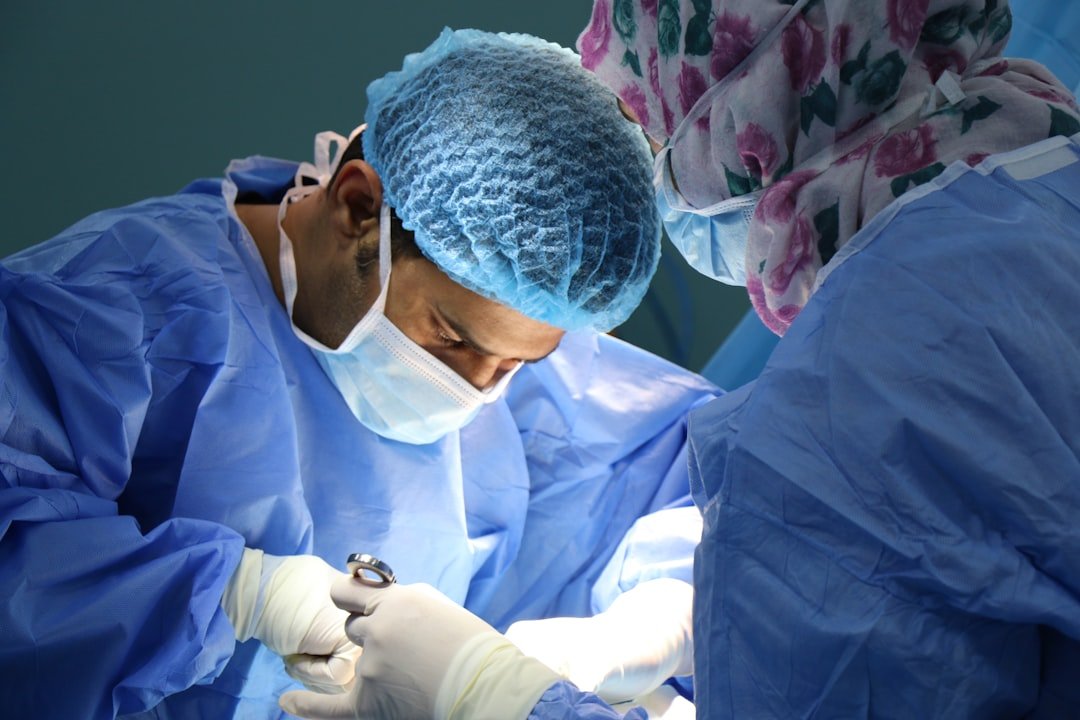
Returning to work after spine surgery is a common question and a significant milestone for many of our patients. It’s a journey, not a race. The time it takes to get back to your job depends on many factors, including the type of surgery you had, the kind of work you do, and how well your body heals. This article will help you understand what to expect and how to prepare for your return to work.
Every spine surgery is different, and so is every patient’s recovery. Whether you’ve had a minimally invasive procedure or a more extensive operation, your body needs time to heal and adapt.
Minimally Invasive Procedures and Shorter Recovery Times
Minimally invasive spine surgery (MISS) often allows for a quicker return to daily activities compared to traditional open surgery. Techniques like ProneTransPsoas (PTP) or ultrasonic decompressions involve smaller incisions, less muscle disruption, and generally less pain after surgery.
- Less Tissue Damage: Smaller cuts mean less impact on muscles and other healthy tissues.
- Reduced Blood Loss: Typically, there’s less bleeding during these procedures.
- Faster Initial Recovery: Many patients feel better sooner and might be able to move around with less discomfort in the very early stages.
However, even with minimally invasive techniques, it’s crucial to remember that your spine has undergone a significant change. Healing takes time, and rushing back to work too soon can set back your recovery.
Open Surgery and Longer Recovery Considerations
For more complex conditions, traditional open surgery might be necessary. This could include certain types of fusion surgery or scoliosis correction. These procedures involve larger incisions and more manipulation of tissues, leading to a generally longer recovery period.
- More Extensive Healing: There’s more tissue to repair, both internally and externally.
- Increased Post-Operative Pain: Generally, patients experience more pain in the initial recovery phase.
- Stricter Activity Restrictions: You might have more limitations on lifting, bending, and twisting for a longer time.
Regardless of the surgical approach, the goal is always to get you back to a functional, pain-free life, and that includes returning to work safely.
For those considering the journey of returning to work after spine surgery, understanding the typical timelines can be crucial for a smooth recovery. A related article that provides valuable insights on this topic is available at Jeffrey Moore Spine, where you can find detailed information on recovery expectations and tips for a successful transition back to the workplace.
Factors Influencing Your Return to Work Timeline
There isn’t a one-size-fits-all answer for when you can go back to work. Several interconnected factors play a significant role.
Type of Spine Surgery Performed
The specific procedure you underwent is perhaps the biggest determinant of your recovery timeline.
- Microdiscectomy/Laminectomy (Decompression Surgeries): These procedures remove parts of a disc or bone to relieve pressure on nerves, common for conditions like sciatica.
- Typical Return: Sedentary jobs might see a return in 2-4 weeks. Jobs requiring light physical activity could be 4-8 weeks. Strenuous jobs might need 3-6 months.
- Spinal Fusion: This surgery permanently connects two or more vertebrae, often used for instability or severe degeneration.
- Typical Return: Sedentary jobs might allow a return in 4-8 weeks, but full fusion can take 3-6 months or even up to a year. Jobs involving physical labor usually require 3-6 months, and sometimes longer, with modified duties.
- Artificial Disc Replacement: This involves replacing a damaged disc with an artificial one, allowing for more motion than a fusion.
- Typical Return: Sedentary roles often allow a return in 3-6 weeks. More active jobs might require 2-4 months.
- Scoliosis Correction: Surgery for scoliosis can be extensive, especially for severe curves.
- Typical Return: This often involves a longer recovery, with sedentary positions returning around 2-3 months. Strenuous work can be 6 months to a year, with significant restrictions.
- Trauma Follow-Up (e.g., fracture repair): Timelines vary widely based on the specific injury and repair.
- Typical Return: Can range from a few weeks for minor stable fractures to several months for more complex repairs, often involving a phased return.
Nature of Your Job Duties
Your daily tasks at work are critical when planning your return.
- Sedentary Jobs (Desk Work): If your job involves sitting for most of the day, with minimal lifting or strenuous activity, you’ll generally be able to return sooner.
- Considerations: Even desk jobs require good posture and occasional movement to prevent stiffness. Ergonomic adjustments at your workstation can be very helpful.
- Light Physical Work (Walking, Standing, Light Lifting): Jobs like teaching, retail, or certain hospital roles might involve standing, walking, and occasional light lifting (under 10-20 lbs).
- Considerations: You’ll need to be able to manage these activities without increasing pain or risking injury. Pacing yourself and taking frequent breaks are important.
- Moderate Physical Work (Moderate Lifting, Bending, Twisting): Construction oversight, mechanics, or nursing assistants would fall into this category.
- Considerations: These jobs require significant strength, flexibility, and endurance that take time to regain after spine surgery. A gradual return or temporary modified duties are often necessary.
- Strenuous Physical Work (Heavy Lifting, Repetitive Motion, Vibrations): Jobs in construction, manual labor, or professional driving with heavy vibrations fall here.
- Considerations: These roles place significant stress on the spine. Returning too soon can lead to re-injury or chronic pain. A long recovery period, often 3-6 months or more, is typical, and some individuals may require job modification or a career change.
Your Overall Health and Healing Progress
Your general health before surgery and how your body responds afterward are key.
- Age: Younger individuals often heal faster than older individuals, though this isn’t always the case.
- General Health: Conditions like diabetes, obesity, or smoking can slow down the healing process and increase the risk of complications. Quitting smoking before surgery is highly recommended.
- Physical Fitness and Strength: Being in good physical shape before surgery can contribute to a smoother and faster recovery. Engaging in pre-operative “prehab” can be beneficial.
- Mental Health: Stress, anxiety, and depression can impact your perception of pain and your motivation during recovery. Addressing these factors is part of a holistic approach to healing.
- Compliance with Instructions: Following your surgeon’s and physical therapist’s instructions, including activity restrictions and exercise programs, is crucial for optimal healing.
The Role of Physical Therapy and Rehabilitation
Physical therapy is a cornerstone of recovery after spine surgery. It’s not just about getting strong; it’s about re-learning how to move safely and efficiently.
Rebuilding Strength and Flexibility
After surgery, your muscles may be weak from disuse or altered by the procedure. Physical therapy helps to:
- Strengthen Core Muscles: The “core” muscles (abdominal and back muscles) are essential for supporting your spine. Strengthening them helps reduce strain on your healing surgical site.
- Improve Flexibility: Gentle stretches can help restore range of motion in your back and surrounding areas.
- Enhance Endurance: Gradually increasing your stamina allows you to perform daily activities, including work, for longer periods without fatigue.
Learning Proper Body Mechanics
One of the most important aspects of physical therapy is learning how to move your body in ways that protect your spine.
- Lifting Techniques: You’ll learn how to lift objects using your legs, not your back, and how to avoid twisting.
- Posture Correction: Understanding good sitting, standing, and walking posture can prevent undue stress on your spine.
- Ergonomic Advice: Your therapist can offer suggestions for setting up your workspace to minimize strain, whether you’re at a desk or performing more active tasks.
Adhering to your physical therapy program is not an option; it’s a vital part of your recovery journey and a key factor in a safe return to work.
Gradual Return and Modified Duties
A sudden return to full work duties is rarely advisable. A gradual, phased approach is often the safest and most effective way to transition back.
Phased Return-to-Work Programs
Many employers, especially larger ones, offer phased return-to-work programs. This might involve:
- Reduced Hours: Starting with part-time hours and gradually increasing them over several weeks.
- Modified Duties: Temporarily performing less demanding tasks than your usual job requires. For example, if you normally lift heavy items, you might start with administrative tasks.
- Increased Breaks: Allowing for more frequent short breaks throughout the day to rest and move.
Communicating openly with your employer and your surgeon about these options is essential. Your doctor can provide specific recommendations and work restrictions to your employer.
Ergonomic Assessment and Modifications
Considering your work environment is crucial for preventing re-injury.
- For Desk Jobs:
- Ergonomic Chair: A chair with good lumbar support can make a big difference.
- Monitor Height: Ensure your computer monitor is at eye level to prevent neck strain.
- Standing Desk: Alternating between sitting and standing can help reduce prolonged spinal load.
- For Physically Demanding Jobs:
- Lifting Aids: Can carts, dollies, or other mechanical aids be used for heavy lifting?
- Job Rotation: Can you rotate tasks to avoid repetitive motions or sustained awkward postures?
- Team Lifts: Implementing policies for team lifting of heavy objects.
I can help communicate necessary restrictions and reasonable accommodations to your employer to facilitate a safe return.
If you’re considering a return to work after spine surgery, understanding the typical timelines can be crucial for your recovery process. For more insights on this topic, you might find it helpful to read a related article that discusses various aspects of orthopedic care and recovery strategies. This resource provides valuable information that can aid in your rehabilitation journey. To explore more, visit this article for comprehensive guidance.
Red Flags During Recovery and What to Do
| Activity | Typical Timeline |
|---|---|
| Walking | 1-2 weeks |
| Light desk work | 2-4 weeks |
| Driving | 2-4 weeks |
| Heavy lifting | 6-12 weeks |
| Return to full activity | 3-6 months |
While it’s normal to experience some discomfort during recovery, certain symptoms warrant immediate attention. These are “red flags” that suggest a potential complication or an issue requiring medical evaluation.
Urgent Symptoms to Watch For
- Sudden or Worsening Weakness: New and significant weakness in your arms or legs, or difficulty controlling your bladder or bowels.
- New or Severe Numbness/Tingling: Especially if it’s rapidly spreading or affecting a new area.
- Increased, Unbearable Pain: Pain that is significantly worse than expected, not relieved by medication, or accompanied by other concerning symptoms.
- Fever or Chills: These can be signs of infection, especially if accompanied by redness, swelling, or drainage from the incision site.
- Opening of the Incision Site: Any separation of the surgical wound or new, unusual drainage.
When to Contact Your Clinical Team
If you experience any of these red flags, or if you have any other concerns about your recovery that don’t feel right, please do not hesitate to contact our office immediately. It’s always better to be safe and have your symptoms checked than to risk a setback in your recovery.
After undergoing spine surgery, many patients are eager to understand the typical timelines for returning to work and resuming daily activities. It is essential to consider various factors that can influence recovery, including the type of surgery performed and individual health conditions. For those interested in a broader perspective on the field of orthopedics and how it is evolving, a related article discusses the key metrics shaping the future of orthopedic practices. You can read more about this topic by visiting this insightful article. Understanding these developments can provide valuable context for your recovery journey.
Frequently Asked Questions (FAQ)
Can I travel for work soon after surgery?
Generally, long periods of sitting, especially in cars or airplanes, are discouraged in the early weeks after spine surgery. This can place stress on your healing spine. Your surgeon will advise you on specific travel restrictions, which can vary based on your surgery type and recovery progress. For most, short trips might be okay after 2-4 weeks, but longer journeys are typically advised to wait 6-12 weeks.
Will I need lifting restrictions permanently?
For many forms of spine surgery, particularly fusions, some lifting restrictions (e.g., avoiding very heavy or repetitive lifting) may be permanent to protect the surgical site. For decompression surgeries, the goal is often to return to a full range of activity, but you will be taught proper lifting mechanics to minimize future strain. Your physical therapist and surgeon will provide personalized guidance.
What if my job is too demanding for me to return?
If, after appropriate rehabilitation and trying modified duties, your current job remains too physically demanding, it’s important to discuss this with your surgeon, physical therapist, and possibly a vocational rehabilitation counselor. Options might include re-training for a less physically strenuous role, exploring reasonable accommodations with your employer, or in some cases, considering disability options. We can help provide documentation of your limitations.
How do I communicate with my employer about my recovery and restrictions?
Open and honest communication is key. We can provide you with appropriate medical documentation outlining your restrictions and expected return-to-work timeline. It’s helpful to communicate with your employer early and often, letting them know when you anticipate returning and if you will require any modifications initially.
What if I feel ready to go back sooner or later than expected?
Your recovery is unique. If you feel ready to return sooner than your medical team has advised, it is crucial to discuss this with your surgeon first. Rushing back can lead to re-injury. Conversely, if you are not feeling ready by the projected timeline, communicate this. We will work with you to understand your challenges and adjust your plan as needed. The ultimate goal is a safe and sustainable return to work.
Seeking Qualified Care
Navigating the journey back to work after spine surgery can be complex, but you don’t have to do it alone. As a fellowship-trained Orthopedic Spine Surgeon, I’m dedicated to providing calm, confident, and compassionate care using plain English. From minimally invasive approaches like ProneTransPsoas (PTP) and ultrasonic decompressions to comprehensive cervical, thoracic, and lumbar care, including fusion, disc replacement, scoliosis correction, and trauma follow-up, my practice is equipped to address a wide range of spinal conditions. My team and I are here to guide you through every step of your recovery, including your successful return to work.
If you are in Oklahoma City (serving the OKC metro, Norman, Edmond, and Yukon) and facing spine issues or recovering from surgery, please reach out. We offer a free MRI review and second opinion to help you understand your condition and treatment options without obligation.
Call us today at (405) 645-5475 or book your appointment online at JeffreyMooreSpine.com to take the next step toward a healthier, more active life.
FAQs
1. What is the typical timeline for returning to work after spine surgery?
The typical timeline for returning to work after spine surgery varies depending on the type of surgery and the individual’s recovery. However, most people can expect to return to work within 4 to 6 weeks for less physically demanding jobs, and 3 to 6 months for more physically demanding jobs.
2. What factors can affect the timeline for returning to work after spine surgery?
Several factors can affect the timeline for returning to work after spine surgery, including the type of surgery performed, the individual’s overall health and fitness level, the physical demands of the job, and the individual’s adherence to post-operative rehabilitation and recovery guidelines.
3. Are there any specific recommendations for easing back into work after spine surgery?
It is recommended to ease back into work gradually after spine surgery. This may involve starting with part-time hours or modified duties, as well as taking frequent breaks and avoiding heavy lifting or prolonged sitting. It’s important to communicate with your employer about any necessary accommodations.
4. What are some signs that indicate it may be too soon to return to work after spine surgery?
Signs that may indicate it’s too soon to return to work after spine surgery include persistent pain, difficulty with mobility or performing daily tasks, increased fatigue, and any signs of infection or complications at the surgical site. It’s important to consult with your healthcare provider if you experience any of these symptoms.
5. What can individuals do to support their recovery and facilitate a successful return to work after spine surgery?
To support their recovery and facilitate a successful return to work after spine surgery, individuals can follow their healthcare provider’s post-operative guidelines, participate in physical therapy and rehabilitation, maintain a healthy lifestyle, and communicate openly with their employer about their recovery process and any necessary accommodations.