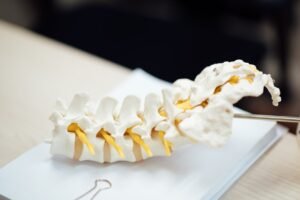
The spine is a remarkable structure, a kind of internal scaffolding that keeps us upright and allows us to move with grace. When this scaffolding develops a curve, as it does in scoliosis, it can lead to a range of issues, especially in adulthood. If you’re experiencing back pain or noticing changes in your posture, understanding adult scoliosis is an important first step.
Scoliosis simply means a sideways curve of the spine. While it’s often discussed in children, it can also develop or worsen in adults. There are typically two main ways adult scoliosis presents:
Degenerative Scoliosis
This is the most common type of scoliosis in adults. Think of it like wear and tear on a joint. As we age, the discs between our vertebrae can thin, and the facet joints (small joints in the back of the spine) can develop arthritis. These changes can create uneven pressure on the spine, leading it to tilt and curve over time. Imagine a row of building blocks. If some blocks start to shrink or break down unevenly, the whole tower might start to lean. This often happens in the lower back (lumbar spine).
De Novo Adult Scoliosis
This refers to scoliosis that develops in adulthood without a prior history of scoliosis in childhood. It’s essentially new onset scoliosis. This type can sometimes be related to degenerative changes, a bit like our building blocks simile, but it can also arise from other causes that aren’t as well understood.
Adult Degenerative Scoliosis vs. Adolescent Idiopathic Scoliosis
It’s important to differentiate adult degenerative scoliosis from the scoliosis many people are familiar with from adolescence. Adolescent idiopathic scoliosis is a curve that develops before the teenage years and usually has no clear cause. While adult degenerative scoliosis can sometimes be an progression of an adolescent curve that went unnoticed or was mild, more often it’s a brand new spinal issue that arises due to the aging process. Because the bones and growth plates have stopped growing in adults, adult scoliosis curves tend to progress more slowly than in children, but the symptoms can be more significant due to the cumulative effects of degeneration.
For those seeking to understand more about the advancements in spinal health and treatment options, a related article titled “6 Augmented Reality Updates from Q3” provides valuable insights into how technology is enhancing patient care. This article discusses innovative approaches that may benefit individuals dealing with conditions like scoliosis. You can read it here: 6 Augmented Reality Updates from Q3.
Why Does Adult Scoliosis Hurt?
The pain associated with adult scoliosis often comes from a combination of factors related to the spinal curve and the surrounding tissues:
Mechanical Strain on Muscles and Ligaments
When the spine curves, it throws off the natural alignment of your body. This means certain muscles and ligaments have to work harder to keep you balanced. Imagine trying to walk with one leg slightly shorter than the other; your body instinctively adjusts, but it takes more effort and can lead to aches and pains in your legs, hips, and back. Similarly, the muscles along your spine and the surrounding ligaments can become strained and inflamed from constantly compensating for the curve.
Nerve Compression
As the spine degenerates and curves, the spaces where nerves exit the spinal canal can narrow. This narrowing, called spinal stenosis, can put pressure on the nerves. Think of a garden hose that gets kinked. The water flow is restricted, and the pressure builds up behind the kink. Nerve compression can lead to a variety of symptoms, including:
- Pain: This can be sharp, shooting, or a dull ache.
- Numbness and Tingling: You might feel pins and needles or a lack of sensation.
- Weakness: Muscles controlled by the compressed nerve may become weaker.
This nerve compression can occur in the lower back, radiating down the leg (sciatica), or in the upper spine, affecting the arms.
Facet Joint Irritation (Arthritis)
The facet joints are small, paired joints located at the back of each vertebra. They help guide your spine’s movement and keep it stable. In adult scoliosis, these joints can become compressed and irritated due to the abnormal loading caused by the curve. This can lead to a condition called facet joint arthritis, similar to arthritis in your knees or hips. The cartilage cushioning the joint wears down, causing inflammation, stiffness, and pain, especially with movement.
Disc Degeneration
The intervertebral discs cushion the vertebrae and allow for spinal flexibility. As discs age, they can lose height and hydration, becoming flatter and less effective at shock absorption. In a curved spine, these degenerating discs are often subjected to uneven forces, accelerating their breakdown. This can also contribute to pain and instability.
How is Adult Scoliosis Diagnosed?
Diagnosing adult scoliosis involves a thorough evaluation to understand the curve’s extent, its cause, and its impact on your health.
Medical History and Physical Examination
This is the starting point for any diagnosis. I’ll ask you about your symptoms, when they started, what makes them better or worse, and any past injuries or medical conditions. During the physical exam, I’ll observe your posture, assess your range of motion, and perform specific tests to check for nerve issues, muscle strength, and tenderness.
Imaging Tests: X-rays
X-rays are essential for visualizing the bony structure of your spine. They allow us to:
- Measure the Curve: The Cobb angle is the standard measurement for scoliosis. It’s the angle formed by lines drawn at the top and bottom of the curved vertebrae.
- Assess Degenerative Changes: X-rays can reveal signs of arthritis in the facet joints, disc space narrowing, and bone spurs (osteophytes).
- Identify Spinal Alignment: We can see if the spine is tilted or shifted abnormally.
- Evaluate for Other Conditions: X-rays can help rule out other causes of back pain.
Imaging Tests: MRI (Magnetic Resonance Imaging)
While X-rays show the bones, an MRI provides detailed images of the soft tissues. This is crucial for understanding the impact of scoliosis on:
- Nerves: An MRI can clearly show if nerves are being compressed, and where, due to spinal stenosis or disc herniations.
- Discs: It allows us to assess the health of the intervertebral discs, identifying thinning, bulging, or herniation.
- Ligaments and Muscles: While not always the primary focus, an MRI can offer some insight into the condition of these supporting structures.
An MRI is particularly important when nerve-related symptoms like numbness, tingling, or weakness are present, helping to pinpoint the exact source of the problem.
Treatment Options for Adult Scoliosis
The goal of treatment is to manage pain, improve function, and prevent further progression of the curve and its related symptoms. Treatment plans are individualized, meaning what works for one person might not be the best approach for another. We consider the severity of your curve, the location of your pain, your overall health, and your activity level.
Conservative Care: The First Line of Defense
For many adults with scoliosis, conservative treatments can provide significant relief and help manage symptoms without surgery. These approaches focus on strengthening the body and reducing strain.
Physical Therapy
Physical therapy is often the cornerstone of conservative care. A skilled therapist can design a program tailored to your specific needs, focusing on:
- Core Strengthening: A strong core (abdominal and back muscles) acts like a natural corset, supporting your spine and reducing strain.
- Flexibility and Stretching: Improving flexibility in tight muscles can alleviate pain and improve posture.
- Posture Education: Learning to maintain better posture can reduce stress on your spine throughout the day.
- Pain Management Techniques: Therapists can employ manual therapy, heat, ice, and other modalities to reduce inflammation and pain.
- Aerobic Conditioning: Low-impact exercises like walking or swimming can improve overall fitness and endurance, helping you cope with discomfort.
Pain Management Medications
Over-the-counter pain relievers like ibuprofen or naproxen can help reduce inflammation and pain. For more severe pain, prescription medications, including muscle relaxants or stronger anti-inflammatories, may be recommended. It’s important to discuss any medications with your doctor to ensure they are appropriate for you and to understand potential side effects.
Injections
For localized pain, particularly from inflamed facet joints or irritated nerves, injections can offer temporary relief.
- Epidural Steroid Injections: These deliver anti-inflammatory medication directly into the space around the spinal nerves to reduce swelling and pain.
- Facet Joint Injections: These deliver anesthetic and/or steroid medication into the facet joints to reduce inflammation and pain.
These injections are typically used as a bridge to other treatments, helping to reduce pain enough for you to participate more effectively in physical therapy.
When More Advanced Treatments Are Considered
If conservative measures don’t provide sufficient relief or if the scoliosis is causing significant functional limitations or nerve compression, more advanced options may be explored.
Minimally Invasive Surgery
Minimally invasive surgical techniques are a significant advancement in spine care. They involve smaller incisions, leading to less pain, reduced blood loss, and faster recovery times compared to traditional open surgery.
Ultrasonic Decompression
This advanced technique uses ultrasonic energy to precisely remove bone that is pressing on nerves. It’s a very targeted approach that can be highly effective, minimizing damage to surrounding tissues. Think of it like using a very precise, controlled scalpel that only ablates the specific unwanted bone, leaving healthy structures intact.
Lumbar Fusion with Minimally Invasive Approaches
In some cases, spinal fusion may be necessary to stabilize a segment of the spine that is causing pain and instability. Minimally invasive fusion techniques allow surgeons to achieve this with smaller incisions. This might include approaches like:
- ProneTransPsoas (PTP) Approach: This technique allows surgeons to access the spine from the front (anteriorly) through a small incision, often with less disruption to the back muscles than traditional approaches. It’s particularly useful for certain types of fusions where stability is paramount.
Fusion involves joining two or more vertebrae together so they heal into a single, solid bone. This eliminates motion at the fused segment, which can relieve pain caused by instability.
Traditional Open Surgery
In certain complex cases, or when minimally invasive techniques are not suitable, traditional open surgery may be the most appropriate option. This might involve:
- Decompression: Removing bone spurs or disc material that are compressing nerves.
- Fusion: Stabilizing the spine by joining vertebrae with instrumentation like screws, rods, and bone graft material.
- Scoliosis Correction Surgery: In cases of significant curves, surgery may aim to straighten the spine and achieve fusion in a more aligned position. This can involve techniques to realign the spine and fuse multiple segments.
Specialized Surgical Solutions
Depending on the specific characteristics of your scoliosis, other surgical interventions might be considered.
Cervical, Thoracic, and Lumbar Care
The spine is divided into three main regions: cervical (neck), thoracic (mid-back), and lumbar (lower back). Scoliosis can occur in any of these areas, and treatment strategies are tailored to the specific region and its associated challenges. Cervical scoliosis, for instance, can affect your neck and may require different approaches than lumbar scoliosis. Thoracic scoliosis can impact lung function in severe cases.
Disc Replacement
For certain types of degenerative disc disease contributing to scoliosis, disc replacement surgery may be an option rather than fusion. This procedure involves removing a damaged disc and replacing it with an artificial one, preserving motion in the spine. While not a direct correction for the scoliosis curve itself, it can help alleviate pain from the degenerating discs that are part of the degenerative scoliosis process.
Scoliosis Correction Surgery
When the scoliosis curve is severe and causing significant deformity or symptoms, surgery may be performed to correct the curve and fuse the spine. This is a more extensive procedure aimed at not only relieving pain but also improving posture and function.
Trauma Follow-Up
For individuals who have experienced spinal trauma that resulted in or exacerbated scoliosis, our services include specialized follow-up care to manage long-term effects and address any emerging issues.
For those seeking to understand the complexities of spinal health, a related article discusses the frequency of recalls for new spine devices, which can be particularly relevant for adults managing conditions like scoliosis. This information can provide insights into the safety and effectiveness of various treatment options available. To learn more about this important topic, you can read the article here: how often are new spine devices recalled.
When Should You See a Doctor? Safety Red Flags
| Metric | Description | Typical Values/Range | Notes |
|---|---|---|---|
| Prevalence in Adults | Percentage of adults affected by scoliosis | 2-4% | Varies by age and population studied |
| Cobb Angle | Measurement of spinal curvature severity | 10° to >50° | Curves >10° define scoliosis; >40° often symptomatic |
| Common Pain Types | Types of pain experienced by adults with scoliosis | Back pain, nerve pain, muscle fatigue | Often worsens with activity or prolonged standing |
| Non-Surgical Treatment Success Rate | Effectiveness of physical therapy, bracing, and medications | 50-70% | Helps manage pain and improve function |
| Surgical Treatment Indications | Criteria for considering surgery | Cobb angle >40-50°, severe pain, neurological symptoms | Depends on patient health and curve progression |
| Surgical Outcomes | Improvement rates after spinal fusion surgery | 70-90% report pain relief and improved function | Risks include infection, nerve damage, and hardware issues |
| Average Age of Onset in Adults | Typical age when adult scoliosis symptoms appear | 40-60 years | Often due to degenerative changes in the spine |
While back pain is common, certain symptoms warrant immediate medical attention. These are known as “red flags” and suggest a more serious underlying issue that needs to be investigated promptly.
- Sudden, severe back pain that doesn’t improve with rest.
- Back pain accompanied by fever or unexplained weight loss.
- Numbness, tingling, or weakness in the legs or feet.
- Loss of bowel or bladder control.
- Pain that is worse at night and wakes you from sleep.
- A history of cancer.
- Recent significant trauma to the back.
If you experience any of these red flags, please seek medical attention from a qualified clinician without delay.
Frequently Asked Questions About Adult Scoliosis
- Will my adult scoliosis get worse?
The progression of adult scoliosis varies. Degenerative scoliosis tends to progress slowly, if at all. However, significant degenerative changes or unstable segments can lead to worsening curves over time. Regular monitoring with your doctor is important.
- Can adult scoliosis be cured?
“Cure” is a strong word in medicine. For adult scoliosis, the focus is on managing symptoms, improving function, and preventing progression. While we can often significantly reduce pain and improve quality of life, reversing the degenerative changes that cause the curve is not typically possible.
- Is surgery always necessary for adult scoliosis?
No, surgery is only considered for a small percentage of adults with scoliosis who have significant pain, functional limitations, or nerve compression that hasn’t responded to conservative treatment. Many people live comfortably with adult scoliosis managed through non-surgical approaches.
- Can I still be active with adult scoliosis?
Absolutely. Maintaining an active lifestyle is often beneficial for managing scoliosis pain. Low-impact exercises like swimming, walking, and yoga (when modified for scoliosis) are usually encouraged. Your physical therapist can guide you on safe and effective activities.
If you are experiencing back pain or have concerns about your spinal health, don’t hesitate to seek expert care. Understanding your condition is the first step towards finding relief.
At JeffreyMooreSpine.com, we are dedicated to providing compassionate and expert care for all your spinal needs, including adult scoliosis. We offer a free review of your existing MRI or can provide a second opinion to help you understand your options.
To schedule a consultation or discuss your concerns, please call us at (405) 645-5475 or book an appointment online. Our team is here to help you navigate your journey to a healthier spine.
FAQs
What causes scoliosis pain in adults?
Scoliosis pain in adults is often caused by the abnormal curvature of the spine, which can lead to muscle strain, nerve compression, and joint inflammation. Degenerative changes in the spine, such as arthritis or disc degeneration, can also contribute to discomfort.
How is adult scoliosis diagnosed?
Adult scoliosis is typically diagnosed through a physical examination and imaging tests such as X-rays, MRI, or CT scans. These help assess the degree of spinal curvature and identify any associated spinal conditions.
What non-surgical treatments are available for adult scoliosis?
Non-surgical treatments include physical therapy, pain management with medications, chiropractic care, and the use of braces or supports. These approaches aim to reduce pain, improve mobility, and prevent further curvature progression.
When is surgery recommended for adult scoliosis?
Surgery may be recommended if scoliosis causes severe pain, significant spinal deformity, or neurological symptoms such as numbness or weakness. Surgical options typically involve spinal fusion or decompression to stabilize the spine and relieve nerve pressure.
Can lifestyle changes help manage scoliosis pain in adults?
Yes, lifestyle changes such as maintaining a healthy weight, engaging in regular low-impact exercise, practicing good posture, and avoiding activities that strain the back can help manage scoliosis pain and improve overall spinal health.