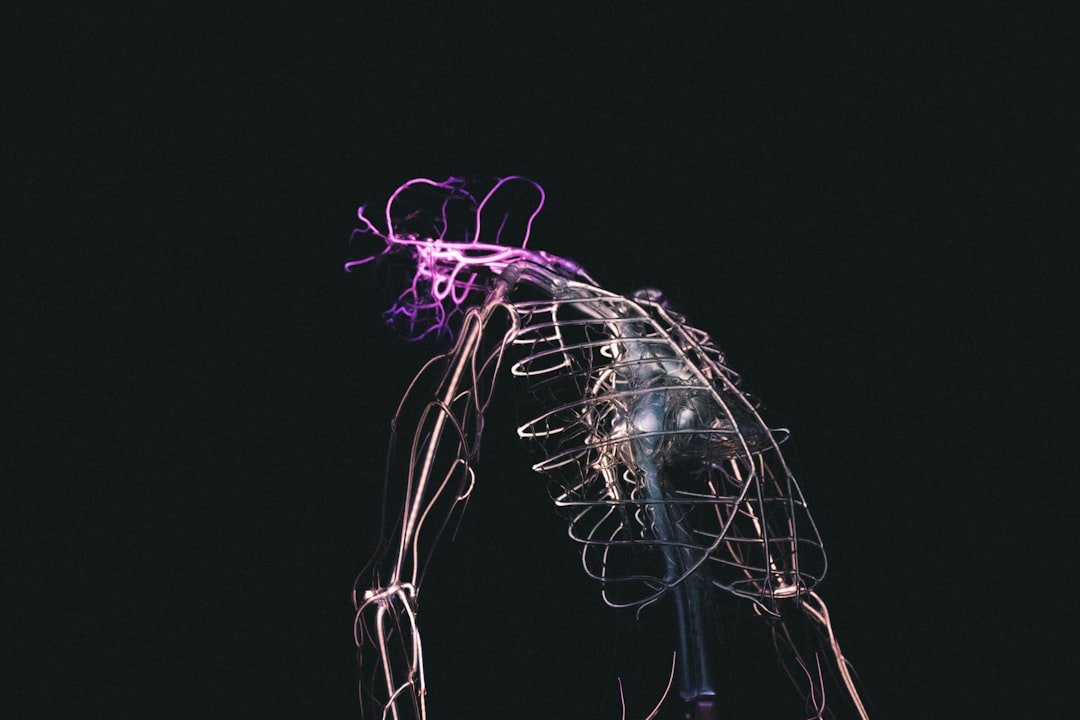
Spinal stenosis is a common condition that occurs when the spaces within your spine narrow. This narrowing can put pressure on the spinal cord and the nerves that travel through the spine to your arms and legs. Imagine your spinal cord and nerves as delicate electrical wires running through a protective tunnel made of bone. When parts of this tunnel, such as the bony walls or the soft tissues surrounding them, start to thicken or collapse inwards, the wires get squeezed. This squeezing, or compression, is what leads to the symptoms of spinal stenosis.
Spinal stenosis can happen anywhere along your spine. We commonly see it in two main areas:
- Lumbar stenosis: This occurs in the lower back. It’s the most common type and often causes pain, numbness, or weakness in the legs.
- Cervical stenosis: This occurs in the neck. It can affect the shoulders, arms, and even the hands and legs if the spinal cord itself is compressed.
Less commonly, spinal stenosis can also affect the thoracic spine, which is the middle part of your back.
For those looking to deepen their understanding of spinal health, a related article titled “Total Disc Implant Design Influences Postoperative Range of Motion” provides valuable insights into the implications of spinal surgeries. This article explores how different designs of disc implants can affect the range of motion after surgery, which is particularly relevant for individuals dealing with conditions like spinal stenosis. To read more about this topic, visit the article here: Total Disc Implant Design Influences Postoperative Range of Motion.
Understanding the Causes of Spinal Stenosis
Spinal stenosis often develops gradually over many years as a result of the natural aging process and wear and tear on the spine. Think of it like a well-used machine; over time, parts can start to show their age.
Age-Related Changes
- Osteoarthritis: This is the most common cause. As we age, the cartilage that cushions our joints can break down. In the spine, this can lead to the formation of bone spurs (osteophytes) that grow into the spinal canal or nerve root canals, narrowing the space.
- Thickened Ligaments: Ligaments are strong bands of tissue that help hold your vertebrae together. Over time, these ligaments can thicken and harden, particularly the ligamentum flavum, reducing the space for nerves.
- Bulging or Herniated Discs: The soft, gel-like discs between your vertebrae act as shock absorbers. With age, these discs can dry out, flatten, and bulge outwards. If a disc ruptures (herniates), its inner material can press on the spinal cord or nerves.
- Spondylolisthesis: This condition occurs when one vertebra slips forward over another. This misalignment can narrow the spinal canal.
Other Contributing Factors
While age is a primary driver, other factors can also contribute to spinal stenosis:
- Spinal Injuries or Trauma: Fractures or dislocations of the spine can displace bone or tissue, leading to narrowing. We often follow up on these types of injuries in our office.
- Tumors: Although rare, abnormal growths within the spinal canal can take up space and compress nerves.
- Congenital Spinal Stenosis: Some individuals are born with a naturally narrower spinal canal. They may experience symptoms of stenosis earlier in life with even minor age-related changes.
- Paget’s Disease of Bone: This chronic bone disease can lead to abnormal bone growth, including in the spine, causing narrowing.
Recognizing the Symptoms of Spinal Stenosis
The symptoms of spinal stenosis often develop slowly and can vary depending on where the narrowing occurs and which nerves are affected. Initially, you might notice only mild discomfort or occasional pain. Over time, these symptoms may become more frequent or severe.
Symptoms of Lumbar Spinal Stenosis (Lower Back)
These symptoms typically affect the lower back, buttocks, and legs:
- Pain: Aching, cramping, or burning pain in the lower back, buttocks, or legs. This pain often worsens with standing or walking and improves with sitting or leaning forward (which temporarily widens the spinal canal).
- Numbness or Tingling: A “pins and needles” sensation in the legs, feet, or buttocks.
- Weakness: Heaviness or weakness in the legs, making it difficult to walk or stand for long periods.
- Neurogenic Claudication: This is a classic symptom where leg pain, cramping, or weakness occurs with walking and is relieved by rest (especially by sitting or bending forward). It can be confused with vascular claudication, which is caused by poor blood flow in the legs. We differentiate these during physical examination.
- Foot Drop (less common but serious): Difficulty lifting the front part of the foot, causing it to drag when walking.
Symptoms of Cervical Spinal Stenosis (Neck)
These symptoms typically affect the neck, shoulders, arms, and sometimes the legs:
- Neck Pain: Chronic or intermittent pain in the neck.
- Arm Pain, Numbness, or Tingling: Pain, weakness, or a “pins and needles” sensation that radiates down one or both arms, potentially into the hands and fingers.
- Weakness: Loss of strength in the hands or arms, making it difficult to grip objects, write, or perform fine motor tasks.
- Balance and Gait Issues: Difficulty with balance, stumbling, or an unsteady gait, which indicates compression of the spinal cord itself (myelopathy).
- Leg Weakness or Spasticity: In severe cases, cervical stenosis can affect nerve signals to the legs, leading to weakness, stiffness, or even difficulty walking.
Safety Red Flags – When to Seek Immediate Medical Attention
While many symptoms of spinal stenosis progress slowly, certain signs warrant immediate medical evaluation. These “red flag” symptoms suggest significant nerve compression and potential permanent damage if not addressed promptly:
- Sudden onset or worsening of weakness: Especially if you experience a rapid loss of strength in your arms or legs.
- Loss of bowel or bladder control (Cauda Equina Syndrome): This is a medical emergency that requires immediate treatment to prevent permanent nerve damage.
- Severe, unremitting pain: Pain that doesn’t improve with rest or over-the-counter pain relievers.
- Progressive numbness or tingling: Especially if it spreads rapidly or affects multiple limbs.
If you experience any of these red flag symptoms, please seek emergency medical care immediately or contact our office for urgent guidance.
How Spinal Stenosis is Diagnosed
A thorough diagnosis of spinal stenosis involves a detailed review of your medical history, a comprehensive physical examination, and often advanced imaging studies. As your orthopedic spine surgeon, Dr. Moore will piece together all this information to understand your specific condition.
Medical History and Physical Examination
During your consultation, Dr. Moore will ask you about:
- Your symptoms: When did they start? What makes them better or worse? Where exactly do you feel the pain, numbness, or weakness?
- Your medical history: Any previous injuries, surgeries, or underlying health conditions.
- Your lifestyle: Your activity level, occupation, and any factors that might contribute to your symptoms.
The physical examination will involve:
- Assessing your range of motion: How well you can move your neck and back.
- Checking your reflexes: To evaluate nerve function.
- Testing your muscle strength: To identify any weakness.
- Evaluating your sensation: To detect areas of numbness or altered feeling.
- Observing your gait and balance: Especially important for cervical stenosis.
- Specific tests: During the exam, Dr. Moore might ask you to walk, stand, or perform certain movements to see if they reproduce your symptoms, helping to pinpoint the affected area.
Imaging Studies
Imaging plays a crucial role in confirming the diagnosis and identifying the exact location and severity of the narrowing.
- X-rays: While X-rays don’t show soft tissues like nerves or discs, they are excellent for visualizing bone. They can reveal:
- Bone spurs: Extra bone growths that can narrow the spinal canal.
- Vertebral alignment: Such as in spondylolisthesis.
- Bone integrity: Showing fractures or signs of arthritis.
- Disc space narrowing: Indicating disc degeneration.
- Magnetic Resonance Imaging (MRI): MRI is the gold standard for diagnosing spinal stenosis because it provides detailed images of both bony structures and soft tissues. It can clearly show:
- Compression of the spinal cord or nerve roots: You can literally see where the “wires” are being squeezed.
- Bulging or herniated discs: How much they are encroaching on the spinal canal.
- Thickened ligaments: Such as the ligamentum flavum.
- Spinal tumors or infections: If present.
- Cysts or other abnormalities: That might be contributing to the narrowing.
- Computed Tomography (CT) Scan: A CT scan provides more detailed images of bone than X-rays. It’s particularly useful if you can’t have an MRI (e.g., due to a pacemaker or metal implants) or if more precise bone detail is needed, especially for surgical planning. Often, a CT myelogram (where a dye is injected into the spinal canal before the scan) is performed to highlight the spinal cord and nerves more clearly.
Dr. Moore will review your imaging with you, explaining what is seen and how it relates to your symptoms. We offer a complimentary MRI review and second opinion service for this very purpose.
If you’re looking to understand more about spinal conditions, you might find the article on common cervical spine complications particularly insightful. It delves into various issues that can arise in the cervical region, which can be related to conditions like spinal stenosis. For further reading, you can check out the article here to gain a deeper understanding of how these complications can affect overall spinal health.
Treatment Paths for Spinal Stenosis
| Category | Details | Notes |
|---|---|---|
| Common Symptoms |
|
Symptoms vary depending on stenosis location |
| Primary Causes |
|
Often a combination of factors |
| Diagnostic Methods |
|
MRI is most effective for soft tissue evaluation |
| Treatment Options |
|
Conservative treatments tried before surgery |
| Next Steps |
|
Early diagnosis improves outcomes |
The approach to treating spinal stenosis is highly individualized and depends on the severity of your symptoms, the location of the stenosis, and your overall health. Our philosophy is always to start with the least invasive options and only consider surgery when conservative measures have not provided adequate relief or if there are signs of progressive neurological deficits.
Conservative (Non-Surgical) Treatments
Most people with spinal stenosis can find significant relief with non-surgical treatments. Think of these as strategies to manage the discomfort and improve your function without altering the anatomy of your spine.
- Medications:
- Over-the-counter pain relievers: Non-steroidal anti-inflammatory drugs (NSAIDs) like ibuprofen or naproxen can help reduce pain and inflammation.
- Prescription pain medications: For more severe pain, your doctor might prescribe stronger NSAIDs, muscle relaxants, or neuropathic pain medications (e.g., gabapentin, pregabalin) that target nerve pain specifically. Opioids are generally avoided due to the risk of dependence and are only considered for short-term use in specific circumstances.
- Physical Therapy: This is a cornerstone of conservative treatment. A physical therapist can teach you exercises to:
- Strengthen core muscles: To support the spine.
- Improve flexibility and posture: To reduce stress on the spine.
- Increase endurance and mobility: Helping you stay active.
- Learn proper body mechanics: For everyday activities to prevent symptom flare-ups.
- Epidural Steroid Injections: These injections deliver a corticosteroid (a powerful anti-inflammatory medication) directly into the epidural space around the spinal nerves. This can help reduce inflammation and pain, providing temporary relief. Injections are often used to help you participate more effectively in physical therapy. They are not a cure but a tool for pain management.
- Activity Modification: Learning to avoid positions or activities that aggravate your symptoms while still staying as active as possible. For example, some people find relief by using a walker or cane, which allows them to lean forward slightly and take pressure off the spinal nerves.
- Chiropractic Care/Osteopathic Manipulation: Some patients find temporary relief from these alternative therapies, which focus on spinal alignment and function. It’s important to discuss this with Dr. Moore to ensure it’s appropriate for your specific condition.
Surgical Treatments
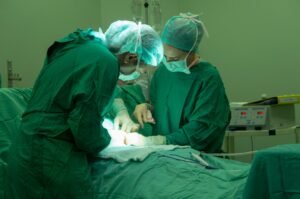
Surgery is considered when conservative treatments have failed to provide adequate relief, or when symptoms are severe, progressive, or indicate significant nerve endangerment (such as severe weakness, difficulty walking, or bowel/bladder changes). The goal of surgery is to decompress the spinal cord and/or nerve roots by removing the bone, ligament, or disc material that is causing the narrowing. Dr. Moore specializes in a range of advanced surgical techniques.
Decompression Procedures
The most common surgical procedure for spinal stenosis is decompression, which aims to create more space for the nerves.
- Laminectomy: This is the traditional open surgery where a portion of the vertebral bone (the lamina) and often thickened ligaments are removed to relieve pressure on the spinal cord and nerves. It’s like opening the tunnel to give the wires more room.
- Minimally Invasive Decompression: Dr. Moore utilizes advanced minimally invasive techniques that achieve the same decompression goals with smaller incisions, less muscle disruption, and often quicker recovery times. These can include:
- Minimally Invasive Laminectomy/Laminotomy: Removing only a small part of the lamina or creating a window (laminotomy) to access and remove the compressing elements.
- Ultrasonic Decompressions: Using specialized ultrasonic tools that precisely remove bone and soft tissue with minimal damage to surrounding healthy structures. This technique offers a very controlled way to enlarge the spinal canal.
- Endoscopic Procedures: Using a small camera and instruments inserted through tiny incisions to visualize and remove compressing tissue.
Fusion Procedures
Sometimes, simply decompressing the nerves is not enough, especially if the spine is unstable or if significant bone removal is necessary, which could lead to instability. In these cases, a spinal fusion may be performed concurrently with decompression. Spinal fusion is like welding two or more vertebrae together to create a single, solid bone. This eliminates motion between those vertebrae, providing stability and reducing pain.
- Indications for Fusion: Fusion may be recommended if you have:
- Spondylolisthesis (spinal instability): Where one vertebra has slipped forward.
- Severe degenerative changes: Leading to instability.
- Failed previous surgery: Such as a prior decompression that resulted in instability.
- Scoliosis Correction: In some cases of adult degenerative scoliosis leading to stenosis, fusion is necessary to correct the curve and stabilize the spine.
- Fusion Techniques: Dr. Moore employs various fusion techniques, including:
- Posterior Lumbar Interbody Fusion (PLIF) / Transforaminal Lumbar Interbody Fusion (TLIF): Approaches from the back to place bone graft and cages between the vertebrae, followed by instrumentation (screws and rods) to stabilize the spine.
- Anterior Lumbar Interbody Fusion (ALIF): An approach from the front to place a cage and bone graft between the vertebrae.
- Lateral Lumbar Interbody Fusion (OLIF/LLIF/ProneTransPsoas – PTP): These are minimally invasive lateral approaches where access is gained from the side of the body, often through the psoas muscle, to place large cages between the vertebrae. Dr. Moore is skilled in ProneTransPsoas (PTP), an advanced lateral approach performed with the patient on their stomach, offering specific advantages in certain complex cases. These approaches can minimize muscle damage compared to traditional open posterior fusions.
- Cervical Fusion (ACDF/PCDF): For cervical stenosis, anterior cervical discectomy and fusion (ACDF) or posterior cervical decompression and fusion (PCDF) may be necessary to remove a disc or bone spurs and fuse the vertebrae.
Disc Replacement
In selected cases, particularly for cervical stenosis caused by disc degeneration without significant instability, disc replacement (arthroplasty) may be an alternative to fusion. This involves removing the damaged disc and replacing it with an artificial disc designed to maintain motion at that spinal level. The goal is to relieve nerve compression while preserving flexibility. Disc replacement is not suitable for all patients or all locations in the spine but can be a good option for specific circumstances in the cervical spine.
Trauma Follow-up
For patients who have experienced spinal trauma, ongoing follow-up with a spine specialist like Dr. Moore is crucial. Even after initial treatment for fractures or dislocations, later complications like spinal stenosis can develop due to post-traumatic changes in bone and soft tissue. Close monitoring helps identify and address these issues early.
Dr. Moore will discuss all appropriate surgical options with you, explaining the benefits, risks, and expected recovery for each, ensuring you make an informed decision about your care.
Frequently Asked Questions About Spinal Stenosis
Here are some common questions we hear from our patients:
- Q: Can spinal stenosis heal on its own?
- A: The narrowing itself, caused by bone spurs or thickened ligaments, typically does not reverse. However, symptoms can wax and wane, and conservative treatments are very effective in managing pain and improving function for many people, often allowing them to avoid surgery.
- Q: Is surgery always necessary for spinal stenosis?
- A: No. We always exhaust conservative treatments first. Surgery is usually reserved for cases where non-surgical methods fail, or if there are signs of severe or progressive nerve damage.
- Q: What is the recovery like after spinal stenosis surgery?
- A: Recovery varies widely depending on the type of surgery, your overall health, and how well you follow post-operative instructions. Minimally invasive procedures generally have quicker recovery times compared to traditional open surgeries or complex fusions. Most patients will engage in physical therapy after surgery to regain strength and mobility.
- Q: Will spinal stenosis come back after surgery?
- A: Surgery aims to decompress the currently affected areas. While the specific narrowing addressed by surgery shouldn’t recur, new narrowing can develop at different levels of the spine over time due to ongoing degenerative changes. This is why addressing underlying lifestyle factors and maintaining good spinal health remains important.
Your Next Steps
If you are experiencing symptoms consistent with spinal stenosis, it’s important to seek the opinion of a qualified spine specialist. Dr. Jeffrey A. Moore, MD, is a fellowship-trained Orthopedic Spine Surgeon serving the OKC metro, including Norman, Edmond, and Yukon. He offers a calm, confident, and compassionate approach to care, focusing on clear communication and personalized treatment plans using plain English.
Don’t let spinal stenosis limit your life. We are here to help you understand your condition and explore all available treatment options, from conservative care to state-of-the-art minimally invasive surgeries, including ProneTransPsoas (PTP), ultrasonic decompressions, and comprehensive cervical, thoracic, and lumbar care, fusion, disc replacement, and scoliosis correction.
Call (405) 645-5475 to schedule your consultation or book online at JeffreyMooreSpine.com. We also offer a FREE MRI review and second opinion service, allowing you to get expert insights into your diagnostic images. Take the first step towards relief and better spinal health today.
FAQs
What is spinal stenosis?
Spinal stenosis is a condition characterized by the narrowing of the spaces within the spine, which can put pressure on the spinal cord and nerves.
What are the common symptoms of spinal stenosis?
Common symptoms include pain, numbness, tingling, or weakness in the back, legs, or arms, depending on the location of the stenosis. Some people may also experience difficulty walking or maintaining balance.
What causes spinal stenosis?
Spinal stenosis is often caused by age-related changes such as arthritis, herniated discs, thickened ligaments, or bone spurs. Other causes can include spinal injuries, tumors, or congenital spinal deformities.
How is spinal stenosis diagnosed?
Diagnosis typically involves a physical examination, review of symptoms, and imaging tests such as X-rays, MRI, or CT scans to assess the extent of spinal narrowing.
What treatment options are available for spinal stenosis?
Treatment options range from conservative approaches like physical therapy, medications, and lifestyle modifications to more invasive procedures such as steroid injections or surgery, depending on the severity of symptoms.
Can spinal stenosis be prevented?
While it may not be entirely preventable, maintaining good posture, regular exercise, and avoiding spinal injuries can help reduce the risk or delay the progression of spinal stenosis.
When should I see a doctor about spinal stenosis?
You should consult a healthcare professional if you experience persistent back pain, numbness, weakness, or difficulty walking, as early diagnosis and treatment can improve outcomes.
Is spinal stenosis a progressive condition?
Spinal stenosis can be progressive, meaning symptoms may worsen over time if left untreated, but the rate of progression varies among individuals.
Are there any complications associated with spinal stenosis?
If untreated, spinal stenosis can lead to chronic pain, nerve damage, loss of bladder or bowel control, and decreased mobility.
What lifestyle changes can help manage spinal stenosis symptoms?
Regular low-impact exercise, maintaining a healthy weight, practicing good posture, and avoiding activities that strain the back can help manage symptoms.