
Navigating spine care can feel overwhelming. You’re in pain, and you want to understand who can best help you. You might hear terms like “spine surgeon,” “neurosurgeon,” and “orthopedic spine surgeon” and wonder what makes them different. It’s a common and important question. At our Oklahoma City practice, we want to make sure you have the clearest understanding possible of your treatment options and the experts who provide them. Let’s break down these roles to help you feel more informed.
When you experience back or neck pain, numbness, weakness, or other spine-related issues, your first thought might be, “Who do I see?” You’ll likely encounter different types of doctors, and it’s natural to be curious about their specific training and what they specialize in. The world of spine care involves several dedicated professionals, each with their own unique expertise. It’s important to know the differences so you can be confident you’re seeking the right kind of help for your specific condition.
What is a General Spine Surgeon?
The term “spine surgeon” is a broad umbrella. It generally refers to a medical doctor who has completed surgical training and focuses on performing operations on the spine. This doctor could come from either an orthopedic or neurological surgery background. Think of it like saying “doctor” – it’s a general term, and within that, there are specialists like cardiologists (heart doctors) or dermatologists (skin doctors). Similarly, a “spine surgeon” is someone who operates on the spine, but their foundational training might differ.
The Role of a Neurosurgeon in Spine Care
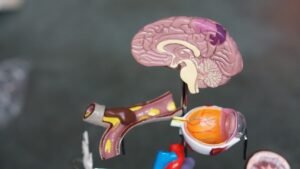
Neurosurgeons are doctors who specialize in the surgical treatment of the nervous system. This includes the brain, spinal cord, and the nerves that branch out from them. Because the spinal cord and nerves are central to spine problems, neurosurgeons are highly qualified to treat many spinal conditions. They have extensive training in the delicate anatomy of the nervous system and understand how to operate with precision to avoid damaging these vital structures.
Neurosurgeon’s Training and Focus
A neurosurgeon’s training is intensely focused on the central and peripheral nervous systems. After medical school, they complete a rigorous residency program in neurosurgery. This residency involves years of hands-on experience, learning to diagnose and surgically manage conditions affecting the brain and spine. Their approach often emphasizes the neurological aspects of spine problems, such as nerve compression, spinal cord injuries, and tumors that affect the nervous system.
Conditions Commonly Treated by Neurosurgeons
Neurosurgeons often treat a wide range of spine issues, particularly those directly involving the spinal cord and nerves. This can include:
- Herniated discs that press on nerves.
- Spinal stenosis (narrowing of the spinal canal) that causes nerve compression.
- Spinal cord tumors.
- Traumatic spinal cord injuries.
- Arteriovenous malformations (AVMs) in the spine.
- Certain types of complex spinal deformities.
Their surgical techniques are honed for working with the intricate structures of the nervous system, ensuring the best possible outcome for patients with neurological symptoms.
The Field of Orthopedics and Its Connection to Spine Surgery
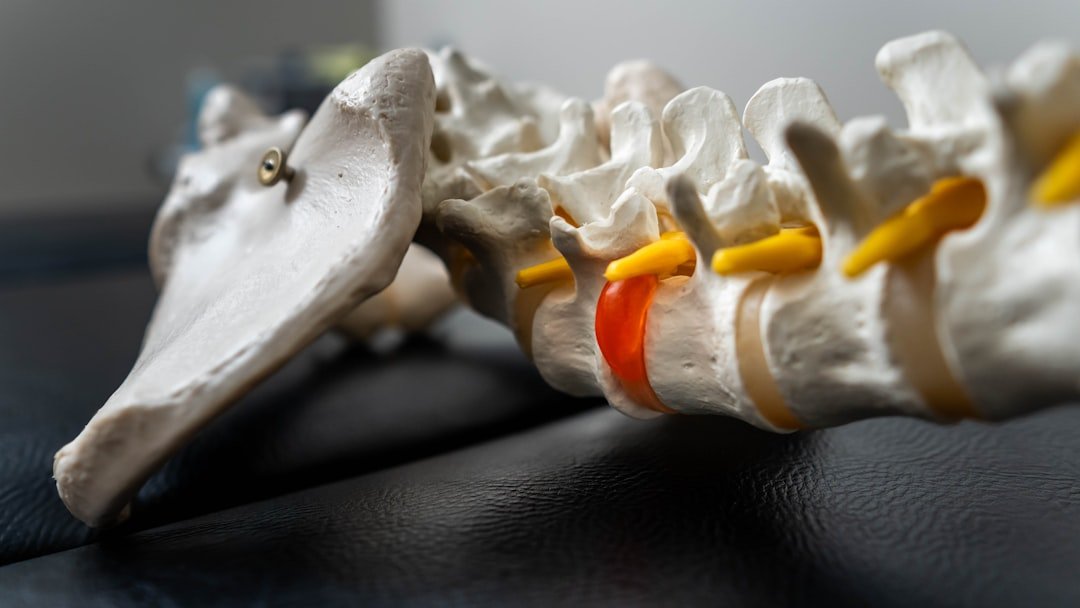
Orthopedic surgeons are medical doctors who specialize in the musculoskeletal system. This system includes bones, joints, ligaments, tendons, and muscles. Since the spine is made up of bones (vertebrae) and is supported by muscles and ligaments, orthopedic surgeons are naturally involved in spine care. They are experts in the skeletal structure and how it functions.
Orthopedic Surgeon’s Training and Expertise
An orthopedic surgeon completes a residency in orthopedic surgery. This training provides a comprehensive understanding of the entire musculoskeletal system. They learn about bone healing, joint mechanics, and how to treat fractures, arthritis, and other bone and joint-related problems. Many orthopedic surgeons then choose to pursue further specialized training, known as a fellowship, in a particular area.
Fellowship Training: A Deeper Dive into Spine
A significant number of orthopedic surgeons complete a fellowship specifically in spine surgery. This advanced training allows them to gain in-depth knowledge and surgical skills related to the spine. During this fellowship, they work closely with experienced spine surgeons, honing their abilities in diagnosing and treating a wide spectrum of spinal disorders. This fellowship training is crucial in distinguishing them as orthopedic spine surgeons.
Defining the Orthopedic Spine Surgeon
An orthopedic spine surgeon is an orthopedic surgeon who has undergone additional fellowship training focused exclusively on the spine. This means they have a dual expertise: a strong foundation in the musculoskeletal system from their orthopedic training, combined with specialized knowledge and surgical techniques for the spine. This specialized training equips them to handle a broad range of spinal conditions, from common back pain to complex deformities.
The Orthopedic Spine Surgeon’s Approach
Orthopedic spine surgeons often take a comprehensive approach to spine care. They understand how the bones, muscles, ligaments, and nerves of the spine work together. Their training allows them to address problems with the structural integrity of the spine (bones, discs, joints) as well as the neurological components (nerves, spinal cord).
Conditions Treated by Orthopedic Spine Surgeons
Orthopedic spine surgeons treat a vast array of spinal conditions. Their expertise covers both bone-related and nerve-related issues of the spine. Some common conditions they manage include:
- Degenerative disc disease and herniated discs.
- Spinal stenosis.
- Spondylolisthesis (vertebrae slipping out of place).
- Scoliosis and other spinal deformities.
- Osteoporosis-related spinal fractures.
- Facet joint arthritis.
- Nerve compression issues, including sciatica and pinched nerves.
- Failed back surgery syndrome.
They are proficient in both conservative treatment methods and a wide array of surgical procedures, including minimally invasive techniques, fusion surgeries, and disc replacements when appropriate.
For those seeking to understand the distinctions between spine surgeons, neurosurgeons, and orthopedic spine surgeons, a related article that provides valuable insights is available at this link: Our Team. This resource not only elaborates on the qualifications and specialties of each type of surgeon but also highlights the expertise of the professionals at Jeffrey Moore Spine, helping patients make informed decisions about their spinal health care options.
When to See an Orthopedic Spine Surgeon vs. a Neurosurgeon
Deciding whether to see an orthopedic spine surgeon or a neurosurgeon can be confusing. In many cases, both types of surgeons are well-equipped to handle a variety of spinal conditions. However, there can be subtle differences in their primary focus based on their foundational training and fellowship.
Overlap in Expertise
It’s important to recognize that there’s a significant overlap in the conditions treated by both orthopedic spine surgeons and neurosurgeons. For common issues like herniated discs or spinal stenosis that cause nerve compression, either type of specialist may be the right choice. They both undergo extensive training in spinal surgery and are skilled in performing many of the same procedures.
Factors Guiding Your Choice
- Primary Complaint: If your main concern is severe back pain with significant instability of the spine (e.g., slippage of vertebrae), an orthopedic spine surgeon’s background in bone and joint mechanics might be particularly beneficial. If your primary symptoms are neurological – like significant weakness, progressive numbness, or loss of bowel/bladder control – a neurosurgeon’s deep expertise in the nervous system might be a deciding factor. However, many orthopedic spine surgeons are highly skilled in addressing these neurological symptoms as well.
- Complexity of the Case: For very complex spinal cord tumors or extensive neurological involvement, a neurosurgeon’s specialized training in brain and spinal cord surgery could be advantageous. For complex spinal deformities like severe scoliosis, or issues related to multiple levels of degeneration with bony instability, an orthopedic spine surgeon’s musculoskeletal expertise is invaluable.
- Doctor’s Specific Focus: Within both specialties, individual surgeons develop their own areas of particular interest and expertise. Some neurosurgeons may focus heavily on spine surgery, while some orthopedic surgeons might specialize in complex deformity correction. It’s always a good idea to ask about a surgeon’s specific experience with your condition.
The Importance of Fellowship Training
Regardless of whether a surgeon is primarily orthopedic or neurological, the crucial factor is often their fellowship training. An orthopedic surgeon who completes a spine fellowship is an orthopedic spine surgeon. Similarly, a neurosurgeon who focuses their fellowship on spine surgery is also a highly qualified spine specialist.
Seeking a Second Opinion
If you’re unsure about your diagnosis or treatment plan, seeking a second opinion is always a wise decision. It can provide you with peace of mind and ensure you’re exploring all available options. Many patients come to us for a second opinion because they want to understand their condition from a surgeon with a deep understanding of both the structural and neurological aspects of spine health.
What an Orthopedic Spine Surgeon Offers in Oklahoma City
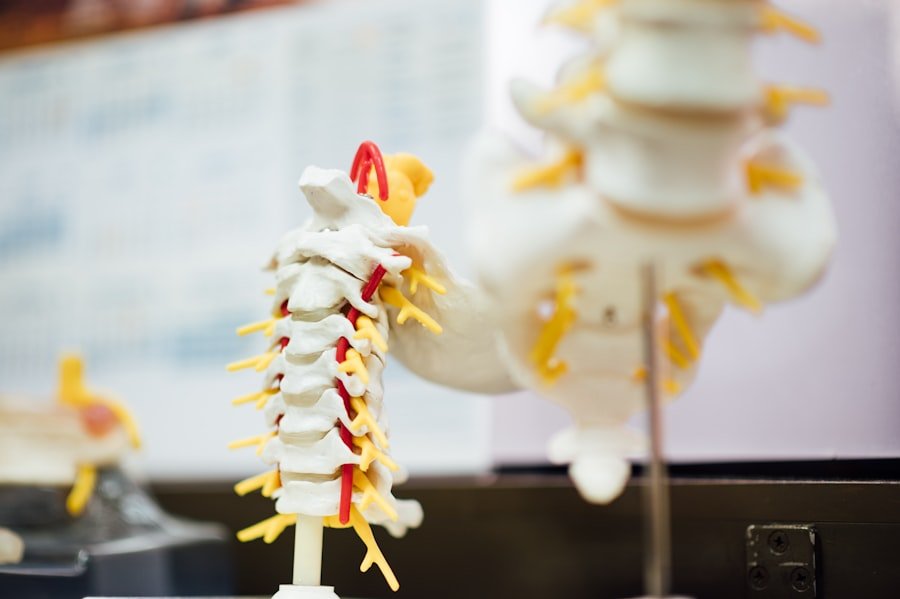
As an orthopedic spine surgeon fellowship-trained in Oklahoma City, my focus is on providing comprehensive and compassionate care for a wide range of spinal conditions. My goal is to help patients in OKC, Edmond, Norman, Yukon, Moore, Mustang, Midwest City, and surrounding areas regain their quality of life. My orthopedic background gives me a strong understanding of the spine’s structure, while my specialized spine fellowship training equips me with the most advanced surgical techniques.
My Approach to Your Spine Health
My approach is centered on you, the patient. I believe in clear communication and explaining your condition in plain English, ensuring you understand all your options. We’ll discuss your symptoms, review your imaging like MRIs and X-rays, and work together to create a personalized treatment plan.
Conservative Treatments First
Before considering surgery, we always explore conservative treatment options. This often includes:
- Physical Therapy: Tailored exercises to strengthen core muscles, improve flexibility, and reduce pain.
- Medications: Anti-inflammatories, pain relievers, and muscle relaxants to manage discomfort.
- Injections: Epidural steroid injections or nerve blocks to reduce inflammation and pain around specific nerves.
- Pain Management Techniques: Strategies to cope with and reduce chronic pain.
When Surgery is Necessary
When conservative treatments aren’t enough, or if your condition is severe and causing significant neurological deficits, surgery may be recommended. My training allows me to offer a variety of surgical solutions, from less invasive procedures to more complex reconstructions.
Advanced Surgical Techniques I Utilize
My fellowship training in spine surgery has prepared me to use a range of modern techniques, prioritizing the least invasive approach that will be effective for your condition. This can include:
- Minimally Invasive Spine Surgery (MISS): Smaller incisions, reduced muscle disruption, and often faster recovery times.
- Decompression Procedures: Removing bone or disc material that is pressing on nerves.
- Spinal Fusion: Joining two or more vertebrae together to stabilize the spine.
- Disc Replacement: Replacing a damaged disc with an artificial one to preserve motion.
- ACDF (Anterior Cervical Discectomy and Fusion): A common procedure for neck disc problems.
- Scoliosis Correction: Addressing spinal curvature.
- Computer-Guided Navigation: Using advanced technology for enhanced precision during surgery.
My aim is to provide the most effective treatment with the least amount of disruption to your life.
Frequently Asked Questions About Spine Surgeons
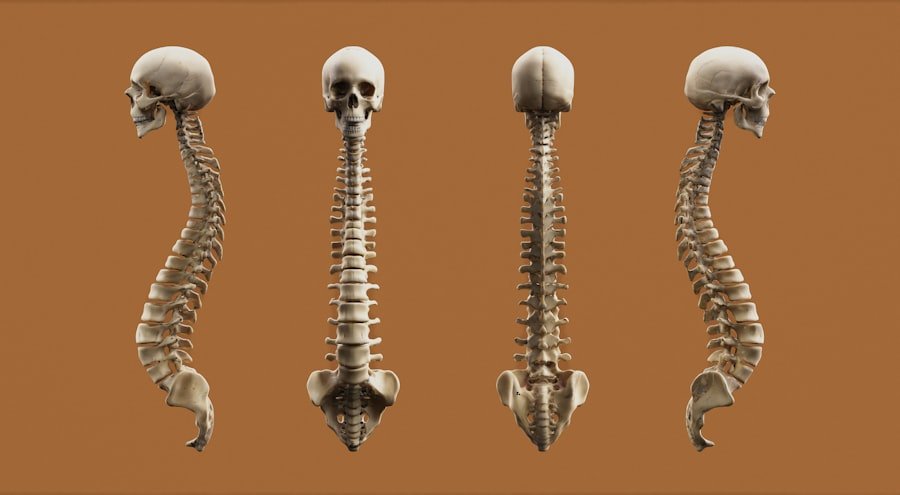
We understand you have questions, and we’re here to provide clear answers. Here are some common questions we receive regarding spine surgeons and their roles.
Q1: Will a neurosurgeon always operate on the spinal cord?
While neurosurgeons have specialized training in the spinal cord, orthopedic spine surgeons are also highly skilled in managing conditions that affect the spinal cord, especially when they stem from structural issues of the spine. Both types of surgeons can operate on the spinal cord if it’s within their scope of expertise and fellowship training.
Q2: What’s the difference between a general orthopedic doctor and an orthopedic spine surgeon?
A general orthopedic doctor treats a wide range of musculoskeletal issues affecting the entire body, such as fractures, arthritis in knees or hips, and sports injuries. An orthopedic spine surgeon has completed additional specialized fellowship training focused exclusively on the spine, making them experts in spinal anatomy, biomechanics, and surgical techniques specific to the spine.
Q3: Can an orthopedic spine surgeon treat pinched nerves?
Yes, absolutely. Pinched nerves, also known as nerve compression, are a common reason people seek care from an orthopedic spine surgeon. They can diagnose the cause of the nerve compression (often due to a herniated disc, bone spurs, or spinal stenosis) and offer both non-surgical and surgical solutions to relieve the pressure on the nerve.
Q4: What if my MRI shows a herniated disc and I have leg pain? Who should I see?
This is a very common scenario. A herniated disc pressing on a nerve root is a frequent cause of sciatica (leg pain). Both orthopedic spine surgeons and neurosurgeons are well-equipped to treat this. As an orthopedic spine surgeon, I routinely treat herniated discs causing leg pain and am experienced in surgical and non-surgical interventions.
Q5: When should I consider surgery for my back pain?
Surgery is typically considered when conservative treatments like physical therapy, medication, and injections have not provided relief, and your pain is significantly impacting your daily life. It’s also considered for conditions causing progressive neurological problems such as significant weakness, numbness, or loss of bowel or bladder control. We will carefully evaluate your specific situation to determine if surgery is the right path for you.
Q6: What is the fastest way to recover from spine surgery?
Recovery varies depending on the type of surgery performed and individual factors. However, minimally invasive spine surgery (MISS) generally leads to faster recovery times compared to traditional open surgeries due to less tissue disruption. Adhering strictly to your post-operative instructions, including physical therapy and activity restrictions, is crucial for optimal and efficient recovery.
Understanding the distinctions between spine surgeons, neurosurgeons, and orthopedic spine surgeons is crucial for patients seeking specialized care for spinal issues. For those interested in exploring more about the components used in spinal surgeries, a related article provides valuable insights into the top lumbar spine component manufacturers by popularity. You can read more about it here. This information can help patients make informed decisions regarding their treatment options and the technologies that may be involved in their procedures.
Ready to Find Relief for Your Spine Pain?
| Specialty | Training | Focus |
|---|---|---|
| Spine Surgeon | Orthopedic or Neurosurgery residency + Spine fellowship | Focuses on surgical treatment of spine conditions |
| Neurosurgeon | Neurosurgery residency | Focuses on surgical treatment of nervous system including spine |
| Orthopedic Spine Surgeon | Orthopedic residency + Spine fellowship | Focuses on surgical treatment of spine conditions with orthopedic approach |
Understanding the different specialists involved in spine care is the first step toward feeling confident about your treatment journey. Whether you’re dealing with persistent back pain, neck discomfort, sciatica, numbness, or weakness, an expert evaluation is essential.
If you are experiencing any of these symptoms and live in or around Oklahoma City, Edmond, Norman, Yukon, Moore, Mustang, or Midwest City, I encourage you to reach out. My goal is to provide you with a clear diagnosis and a personalized treatment plan to help you get back to living a pain-free life.
Call us today at (405) 645-5475 to schedule your appointment, or book online. We also offer the option to request a FREE MR review so you can get expert insights into your imaging without an initial in-person visit. We’re here to help you find the relief you deserve.
FAQs
What is the difference between a spine surgeon, neurosurgeon, and orthopedic spine surgeon?
A spine surgeon is a medical doctor who specializes in the treatment of spinal conditions, including both surgical and non-surgical interventions. A neurosurgeon is a physician who focuses on the surgical treatment of conditions affecting the nervous system, including the spine. An orthopedic spine surgeon is a surgeon who specializes in the treatment of spinal disorders and conditions related to the musculoskeletal system.
What type of training do spine surgeons, neurosurgeons, and orthopedic spine surgeons undergo?
Spine surgeons, neurosurgeons, and orthopedic spine surgeons all undergo extensive medical training, including medical school, residency, and fellowship programs. Neurosurgeons and orthopedic spine surgeons may choose to pursue additional specialized training in spine surgery through fellowship programs.
What types of conditions do spine surgeons, neurosurgeons, and orthopedic spine surgeons treat?
Spine surgeons, neurosurgeons, and orthopedic spine surgeons treat a wide range of conditions affecting the spine, including herniated discs, spinal stenosis, spinal deformities, spinal tumors, and spinal trauma. They may also treat conditions affecting the peripheral nerves and musculoskeletal system.
What are the differences in the approach to treatment between spine surgeons, neurosurgeons, and orthopedic spine surgeons?
While all three types of surgeons may treat similar conditions, their approach to treatment may vary. Neurosurgeons may focus on the surgical treatment of conditions affecting the nervous system, including the spine, while orthopedic spine surgeons may have a more musculoskeletal-focused approach. Spine surgeons may have a broader approach, incorporating both surgical and non-surgical interventions.
How can I determine which type of surgeon is best for my spinal condition?
It is important to consult with a medical professional to determine the best course of treatment for your specific spinal condition. Your primary care physician or a specialist may refer you to a spine surgeon, neurosurgeon, or orthopedic spine surgeon based on the nature of your condition and your individual needs.