

Are you experiencing persistent low back pain that makes everyday activities difficult? Do you have leg pain, numbness, or weakness that seems to radiate down your leg? You’re not alone. Many people in Oklahoma City, Edmond, Norman, Yukon, Moore, Mustang, Midwest City, and surrounding areas struggle with these issues. As a fellowship-trained orthopedic spine surgeon in Oklahoma City, I understand how debilitating back and leg pain can be.
One common reason for these symptoms is a condition that narrows the spinal canal, putting pressure on your nerves. This is where lumbar decompression surgery might be a solution. Let’s explore what it is and when it might be recommended.
Lumbar decompression surgery is a type of surgical procedure performed on the lower part of your spine, also known as the lumbar spine. The primary goal of this surgery is to relieve pressure on the spinal cord or the nerves that branch out from it. This pressure can be caused by a variety of conditions that lead to a narrowing of the spinal canal, a space within the vertebrae that houses and protects the spinal cord and nerves.
When the spinal canal becomes too narrow, it’s called spinal stenosis. Think of it like a highway where the lanes are getting squeezed, causing traffic jams. In the spine, these “traffic jams” are your nerves being compressed, leading to pain, numbness, tingling, and weakness.
What Does “Decompression” Mean?
The term “decompression” literally means to relieve pressure. In the context of spine surgery, it means surgically removing or reshaping structures within the spine that are pressing on the nerves. This can involve removing bone spurs (osteophytes), thickened ligaments, or portions of bone (lamina) to create more space for the nerves.
Who Performs This Surgery?
This type of surgery is performed by specialized surgeons, including orthopedic spine surgeons like myself, who have undergone extensive training in complex spinal procedures. My fellowship training in orthopedic spine surgery means I have advanced knowledge and skills specifically related to the spine.
How is it Different from Other Back Surgeries?
While many spine surgeries aim to address pain and instability, decompression surgery is specifically focused on creating more space for the nerves. Other surgeries might focus on fusing vertebrae together (spinal fusion) to stabilize the spine, or replacing a damaged disc (disc replacement). Decompression is often performed on its own, but it can also be combined with other procedures like fusion if there is instability in the spine.
For those seeking to understand more about lumbar decompression surgery and its indications, a related article titled “The Spine’s New Gold Standard” provides valuable insights into the latest advancements in spinal treatments. This article discusses innovative techniques and technologies that are transforming the field of spinal surgery, making it essential reading for anyone considering lumbar decompression. You can read the article here: The Spine’s New Gold Standard.
When is Lumbar Decompression Surgery Recommended?
Lumbar decompression surgery is generally considered when conservative treatments have failed to provide adequate relief from symptoms caused by spinal stenosis or other nerve-compressing conditions. It’s not a first-line treatment, and we always try less invasive options first.
Conservative Treatment Failure
Before considering surgery, we typically explore a range of non-surgical options. These might include:
- Rest and Activity Modification: Avoiding activities that worsen your pain.
- Physical Therapy: Exercises to strengthen core muscles, improve flexibility, and promote better posture. This is a cornerstone of non-surgical treatment.
- Medications: Pain relievers, anti-inflammatory drugs, and muscle relaxants can help manage symptoms.
- Injections: Epidural steroid injections can deliver anti-inflammatory medication directly to the area around the compressed nerves, offering temporary or sometimes longer-lasting relief.
- Lifestyle Changes: Weight management and smoking cessation can also play a significant role in improving spinal health.
If, after a dedicated trial of these conservative measures, your pain, numbness, or weakness significantly impacts your quality of life and daily functioning, then surgery becomes a more viable consideration.
Symptoms That Point Towards Decompression Surgery
Several key symptoms often indicate that nerve compression in the lumbar spine might be the culprit and that decompression surgery could be beneficial:
- Neurogenic Claudication: This is a hallmark symptom of lumbar spinal stenosis. It refers to pain, cramping, or fatigue in the legs that occurs with walking or standing and is relieved by sitting or bending forward. It feels different from regular leg fatigue.
- Radiculopathy: This is pain, numbness, tingling, or weakness that radiates down one or both legs. It often follows the path of the compressed nerve. This is commonly referred to as sciatica.
- Progressive Neurological Deficits: This includes worsening weakness in the legs or feet, or increasing difficulty with balance and coordination. This is a more serious indicator.
- Bowel or Bladder Dysfunction (Cauda Equina Syndrome): While less common, severe compression can affect the nerves controlling bowel and bladder function. This is a medical emergency requiring immediate surgical intervention.
Diagnosing the Need for Decompression
Accurate diagnosis is crucial. We use a combination of methods to determine if lumbar decompression surgery is the right path for you:
- Medical History and Physical Examination: I’ll ask about your symptoms, how they affect you, and perform a thorough physical exam to assess your strength, sensation, and reflexes.
- Imaging Studies:
- X-rays: These can show bone alignment, disc space narrowing, and signs of arthritis or bone spurs.
- MRI (Magnetic Resonance Imaging): This is often the most informative test. It provides detailed images of the soft tissues, including the spinal cord, nerves, discs, and ligaments, allowing us to visualize the exact location and cause of nerve compression.
- CT Scan (Computed Tomography): Sometimes used in conjunction with MRI, especially for better visualization of bone structures.
- Nerve Conduction Studies/Electromyography (NCS/EMG): These tests can help assess nerve function and pinpoint the location of nerve damage or compression, although they are not always necessary for diagnosis of stenosis.
Red Flags: When Surgery is Urgent
While most cases are elective, certain “red flags” necessitate urgent surgical evaluation and potentially decompression surgery:
- Cauda Equina Syndrome: As mentioned, this is a critical condition where the bundle of nerves at the end of the spinal cord (the cauda equina) is compressed. Symptoms include severe low back pain, saddle anesthesia (numbness in the groin and buttocks area), loss of bladder or bowel control, and significant leg weakness. This is a surgical emergency.
- Progressive and Significant Weakness: If you are experiencing rapid or severe loss of strength in your legs or feet that makes it difficult to walk or stand, surgery might be needed to prevent permanent nerve damage.
The Lumbar Decompression Procedure Explained
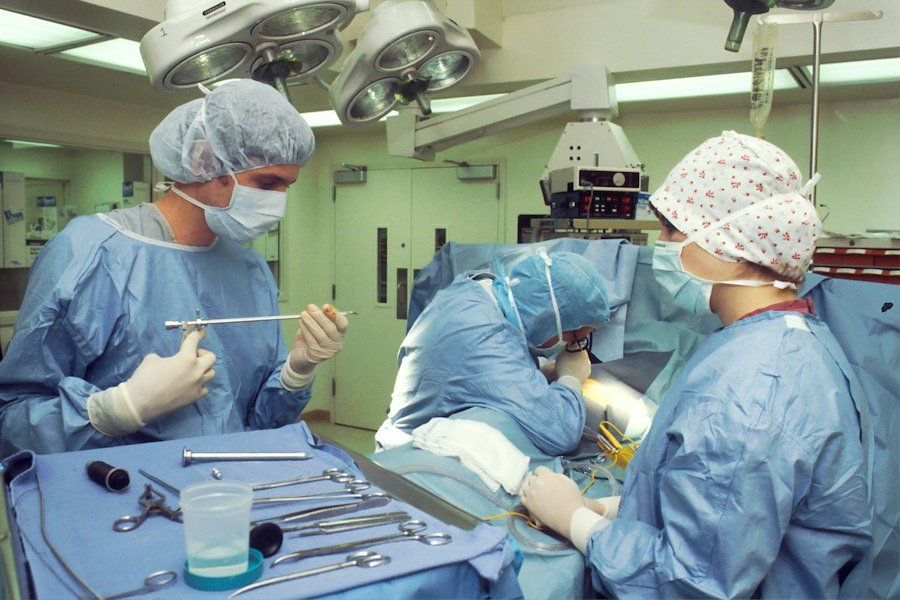
Lumbar decompression surgery is designed to widen the spinal canal and relieve pressure on the nerves. There are different techniques, and the specific approach will depend on the exact cause and location of your stenosis.
Types of Decompression Techniques
The most common types of decompression surgery include:
- Laminectomy: This is the most traditional form of decompression. It involves removing a portion of the lamina, which is the bony arch that covers the spinal canal. This creates more space for the nerves.
- ### Partial Laminectomy (Laminotomy): In some cases, only a small portion of the lamina is removed, or a small opening is made. This preserves more of the bone and can sometimes lead to less instability.
- Foraminotomy: This procedure focuses on widening the foramen, which are the small openings on either side of each vertebra where the spinal nerves exit the spinal canal. This is often performed when a nerve root is being compressed as it leaves the spine.
- Discectomy: While often associated with herniated discs, a discectomy can also be part of a decompression procedure if a portion of a damaged disc is pressing on a nerve.
- Ligament Removal: Thickened ligaments, such as the ligamentum flavum, can contribute to spinal stenosis. Portions of these ligaments may be removed during decompression surgery.
- Bone Spur (Osteophyte) Removal: Arthritis can lead to the formation of bone spurs that can impinge on nerves. These spurs are carefully removed.
Minimally Invasive Spine Surgery (MISS)
In many cases, lumbar decompression can be performed using minimally invasive techniques. This involves using smaller incisions and specialized instruments, often guided by X-ray or microscopic visualization.
- Benefits of MISS:
- Smaller scars
- Less muscle disruption
- Potentially faster recovery times
- Reduced blood loss
- Lower risk of infection
I often utilize minimally invasive approaches when appropriate, as they can offer significant advantages for patient recovery.
The Role of Spinal Fusion (When Necessary)
Sometimes, after removing bone or ligament to decompress the nerves, the spine can become unstable. If there is significant instability or if we remove a large amount of bone, we may need to perform a spinal fusion in conjunction with the decompression.
- Spinal Fusion: This procedure involves joining two or more vertebrae together using bone grafts and hardware (screws, rods, plates). The goal is to eliminate motion at that segment of the spine, providing stability.
- When is Fusion Combined with Decompression?
- If the spine is already unstable before surgery.
- If a significant amount of bone is removed, leading to potential instability.
- If there is spondylolisthesis, where one vertebra slips forward on another.
The decision to perform fusion is based on a careful assessment of your spine’s stability and the extent of the decompression needed.
Advanced Technologies in Spine Surgery
When performing complex spine surgeries, including decompression, advanced technologies can enhance precision and safety:
- Computer-Guided Navigation: Similar to a GPS for surgery, this technology uses pre-operative imaging to create a 3D model of your spine. During surgery, it helps the surgeon precisely guide instruments, improving accuracy, especially in complex anatomical areas.
- Intraoperative Neuromonitoring: This technique continuously monitors nerve function during surgery, providing real-time feedback to the surgical team. This helps minimize the risk of nerve damage.
These tools are used when deemed necessary to optimize surgical outcomes and patient safety.
Recovery After Lumbar Decompression Surgery
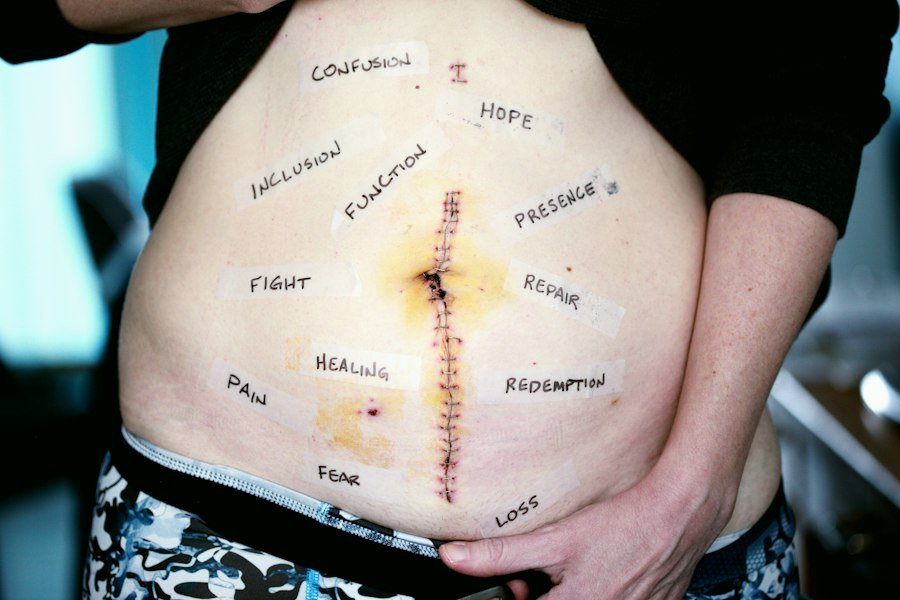
Recovery is a crucial part of the process, and it varies for each individual. While decompression surgery aims to relieve pain, the healing process takes time.
Immediate Post-Operative Period
- Hospital Stay: Most patients stay in the hospital for a few days after surgery.
- Pain Management: You’ll receive pain medication to manage any discomfort.
- Mobility: Early mobilization is encouraged. This typically involves getting out of bed and walking with assistance shortly after surgery. This is very important to prevent blood clots and aid recovery.
Rehabilitation and Physical Therapy
- Physical Therapy: This is a vital component of your recovery. A physical therapist will guide you through exercises to:
- Regain strength in your back and leg muscles.
- Improve flexibility and range of motion.
- Learn proper posture and body mechanics to protect your spine.
- Gradually return to your normal activities.
- Pacing Yourself: It’s important not to overdo it. Listen to your body and gradually increase your activity levels as advised by your doctor and physical therapist.
What to Expect in the Weeks and Months Following Surgery
- Symptom Improvement: Many patients experience significant relief from their pre-operative pain, numbness, and weakness. However, it can take several weeks to months for the full benefits to be realized as nerves heal and inflammation subsides.
- Activity Restrictions: You will likely have some activity restrictions initially, such as avoiding heavy lifting, bending, and twisting. These will be gradually lifted as you recover.
- Return to Work and Activities: The timeline for returning to work and recreational activities varies depending on the individual, the extent of surgery, and the demands of the activity.
Lumbar decompression surgery is often considered for patients experiencing severe back pain or neurological symptoms due to spinal stenosis or herniated discs. If you’re looking for more information on the qualifications and expertise of a specialist in this field, you might find it helpful to read about Dr. Jeffrey A. Moore and his approach to orthopedic care. For further details, you can check out his profile here. Understanding the credentials of your surgeon can play a crucial role in the decision-making process regarding surgical options.
Potential Risks and Complications of Decompression Surgery
| Aspect | Details |
|---|---|
| Definition | Lumbar decompression surgery is a procedure to relieve pressure on spinal nerves in the lower back by removing bone, disc material, or thickened ligaments. |
| Common Types | Laminectomy, laminotomy, discectomy, foraminotomy |
| Indications |
|
| Symptoms Addressed | Lower back pain, leg pain, numbness, tingling, muscle weakness, difficulty walking |
| Success Rate | Approximately 70-90% of patients experience significant symptom relief |
| Risks and Complications |
|
| Recovery Time | Typically 4 to 6 weeks for initial recovery; full recovery may take several months |
| Alternatives | Physical therapy, medications, epidural steroid injections, lifestyle modifications |
As with any surgical procedure, there are potential risks and complications associated with lumbar decompression surgery. While my goal is always to minimize these risks, it’s important to be aware of them.
General Surgical Risks
- Infection: Although rare, infection is a possibility with any surgery. Strict sterile techniques are employed to reduce this risk.
- Bleeding: Some bleeding can occur during surgery, but it is usually managed effectively.
- Blood Clots: Deep vein thrombosis (DVT) or pulmonary embolism (PE) are potential risks, especially with longer surgeries or if mobility is limited. Early mobilization and sometimes medication can help prevent these.
- Anesthesia Complications: Risks associated with general anesthesia are discussed with the anesthesiologist.
Spine-Specific Risks
- Nerve Injury: While the surgery aims to decompress nerves, there’s a small risk of inadvertently injuring a nerve during the procedure.
- Dural Tear: The dura is the protective covering of the spinal cord and nerves. A tear in the dura can occur, which may require repair and can sometimes lead to spinal fluid leakage.
- Recurrent Stenosis: In some cases, the stenosis can recur over time, although this is less common.
- Adjacent Segment Disease: If a segment of the spine is fused, the levels above and below the fusion may experience increased stress and develop degeneration over time.
- Hardware Complications: If spinal fusion hardware is used, there’s a small risk of hardware loosening, breaking, or causing irritation.
Your individual risk profile will be discussed with you thoroughly before proceeding with surgery, taking into account your overall health and the specific details of your condition.
Frequently Asked Questions About Lumbar Decompression
Here are answers to some common questions I receive from patients considering lumbar decompression surgery:
Will decompression surgery cure my back pain?
Decompression surgery is designed to relieve the nerve compression that is causing your pain, numbness, and weakness. For many, this leads to significant pain relief. However, back pain can have multiple causes, and surgery addresses the specific issue of nerve compression. It’s important to have realistic expectations and understand that some underlying degenerative changes may persist.
How long does the surgery take?
The duration of the surgery can vary greatly depending on the complexity and the extent of decompression required. A simple decompression might take a couple of hours, while a more complex procedure, especially if combined with fusion, could take longer.
What is the recovery time like?
Recovery is a process. You’ll likely feel some improvement in your symptoms within weeks, but it can take 3-6 months, and sometimes up to a year, to fully recover and return to all your previous activities. Physical therapy is crucial throughout this period.
Can I have a second opinion?
Absolutely. Seeking a second opinion is always a good idea when considering surgery, especially for complex conditions like spinal stenosis. I encourage my patients to feel fully informed and confident in their treatment plan. If you’re seeking a second opinion regarding your back or neck pain in the Oklahoma City metro area, I’m here to help.
Is surgery always the last resort?
In most cases, yes. We exhaust conservative treatments first because they are less invasive and often effective. However, in cases of severe or progressive neurological deficits, or conditions like Cauda Equina Syndrome, surgery may be recommended sooner.
When to Seek Medical Advice for Back or Neck Pain
If you are experiencing persistent or worsening back pain, neck pain, sciatica, numbness, weakness, or any other symptoms that concern you, it’s important to consult with a spine specialist. Early diagnosis and appropriate treatment can significantly improve your outcome.
As a fellowship-trained orthopedic spine surgeon serving Oklahoma City and the surrounding communities of Edmond, Norman, Yukon, Moore, Mustang, Midwest City, and nearby areas, I am dedicated to providing clear, compassionate, and confident care. My goal is to help you understand your condition and explore all treatment options, from conservative care to advanced surgical solutions, to help you regain your quality of life.
If you are struggling with back or neck pain and want to learn more about whether lumbar decompression surgery or another treatment might be right for you, please don’t hesitate to reach out.
Call us today at (405) 645-5475 to schedule your appointment or book online. You can also request a FREE MRWrite to begin the process of understanding your spinal health.
FAQs
What is lumbar decompression surgery?
Lumbar decompression surgery is a procedure performed to relieve pressure on the spinal nerves in the lower back. It involves removing a portion of the bone or disc material that is pressing on the nerves.
When is lumbar decompression surgery recommended?
Lumbar decompression surgery is recommended for individuals who have not found relief from conservative treatments such as physical therapy, medications, or injections. It is typically considered for conditions such as herniated discs, spinal stenosis, or degenerative disc disease.
What are the risks associated with lumbar decompression surgery?
Like any surgical procedure, lumbar decompression surgery carries risks such as infection, bleeding, nerve damage, or a reaction to anesthesia. It is important to discuss these risks with your healthcare provider before deciding to undergo surgery.
What is the recovery process like after lumbar decompression surgery?
The recovery process after lumbar decompression surgery varies depending on the individual and the specific procedure performed. Generally, patients can expect to stay in the hospital for a few days and may need to undergo physical therapy to regain strength and mobility.
Are there alternative treatments to lumbar decompression surgery?
Yes, there are alternative treatments to lumbar decompression surgery that may be considered before opting for surgery. These include physical therapy, medications, injections, chiropractic care, or lifestyle modifications. It is important to discuss all treatment options with your healthcare provider to determine the best course of action for your specific condition.