

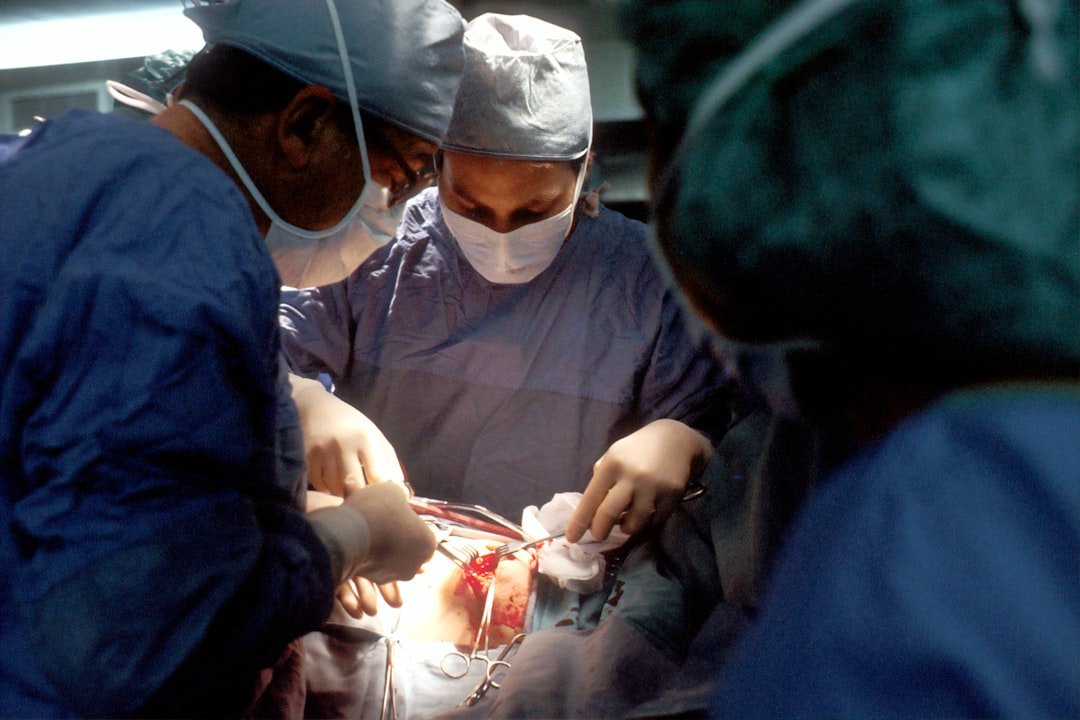
Dealing with back or neck pain can be a big challenge. When pain affects your daily life, you want answers and effective treatments. As an orthopedic spine surgeon in Oklahoma City, I’m here to help you understand your options, including the latest advancements in spine surgery.
What is Minimally Invasive Spine Surgery?
Minimally invasive spine surgery, often called MISS, is a modern approach to treating back and neck problems. Unlike traditional open surgery, which involves making a large incision and moving a lot of muscle and tissue aside, MISS uses smaller incisions. Think of it like this: instead of opening a wide door to get into a room, we use a smaller, more precise opening.
This technique allows surgeons to access the spine with smaller tools and special instruments. We often use a small tube or a series of dilators that gradually spread the muscles apart, creating a small tunnel to reach the spine. Through this tunnel, we can use microscopic instruments and high-definition cameras to see and work on the affected areas of your spine. This means less damage to the surrounding tissues, which can lead to a number of benefits for patients.
The primary goal of MISS is to achieve the same positive surgical outcomes as traditional surgery but with less disruption to your body. This can mean a quicker recovery, less pain after surgery, and a reduced risk of complications. It’s a testament to how medical technology and surgical skill are constantly evolving to provide better care.
Minimally invasive spine surgery has gained popularity due to its potential for reduced recovery times and less postoperative pain compared to traditional surgical methods. For those interested in understanding the broader context of spinal health and the technologies involved, a related article titled “Top Lumbar Spine Component Manufacturers by Popularity” provides insights into the leading manufacturers that supply essential components for these advanced surgical procedures. You can read more about it here: Top Lumbar Spine Component Manufacturers by Popularity.
Key Benefits of Minimally Invasive Spine Surgery
The advantages of choosing a minimally invasive approach can be significant for many patients. These benefits often make a big difference in how you feel during recovery and how quickly you can get back to your normal activities.
Reduced Pain and Discomfort
One of the most immediate benefits of MISS is that it typically results in less post-operative pain compared to open surgery. Because the incisions are smaller and less muscle is disturbed, there’s less trauma to the body. This often means you’ll need less strong pain medication after the procedure and can start moving around sooner.
Faster Recovery Times
With less damage to muscles and tissues, your body can heal more efficiently. This often translates into shorter hospital stays and a quicker return to daily activities. While recovery times can vary depending on the specific procedure and your overall health, MISS generally allows people to get back to work and their favorite hobbies sooner than with traditional surgery.
Smaller Scars
The smaller incisions used in MISS naturally lead to smaller scars. While a scar is a natural part of any surgery, a smaller scar is often less noticeable and can be a cosmetic advantage for some patients.
Lower Risk of Infection
Fewer and smaller incisions mean less opportunity for bacteria to enter the body, which can lower the risk of surgical site infections. This is an important consideration for any surgical procedure.
Less Blood Loss
The precise nature of MISS techniques often results in less bleeding during the surgery. This can further contribute to a smoother recovery and reduce the need for blood transfusions.
Who Is a Good Candidate for Minimally Invasive Spine Surgery?
Minimally invasive spine surgery isn’t for everyone, but it’s a fantastic option for many people suffering from specific spinal conditions. Dr. Moore carefully evaluates each patient to determine the best course of treatment, considering your diagnosis, overall health, and lifestyle.
Specific Spinal Conditions That May Benefit
Certain conditions are particularly well-suited for MISS. These often involve problems with the discs, nerves, or bones in the spine that can be addressed through smaller openings.
- Herniated Discs: When the soft center of a spinal disc pushes out and presses on nerves, MISS can be used to remove the portion of the disc causing the problem. This is often done through a microdiscectomy.
- Spinal Stenosis: This condition involves a narrowing of the spinal canal, which can put pressure on the spinal cord and nerves. MISS techniques can be used to decompress the spine, creating more space for the nerves.
- Degenerative Disc Disease: As discs wear down over time, they can cause pain and instability. MISS can be used in some cases to address these issues, sometimes involving fusion.
- Scoliosis: While severe scoliosis often requires traditional surgery, milder cases or specific types of scoliosis correction can sometimes be addressed with minimally invasive techniques.
- Fractures: Certain types of spinal fractures, especially compression fractures, can be treated with minimally invasive procedures like vertebroplasty or kyphoplasty.
Factors Considered for Candidate Selection
Beyond the specific diagnosis, Dr. Moore looks at several other factors to decide if MISS is the right choice for you.
- Overall Health: Your general health is a key factor. If you have serious underlying medical conditions that could make any surgery risky, it will be carefully considered.
- Severity of the Condition: While MISS is advanced, very complex or severe spinal deformities might still require a more extensive open approach.
- Patient Goals and Expectations: Understanding what you hope to achieve with surgery is important. We’ll discuss realistic expectations for recovery and outcomes.
- Previous Surgeries: If you’ve had prior spine surgery in the same area, it might make the anatomy more complex, but MISS is still often an option.
When Minimally Invasive Spine Surgery Might Not Be Ideal
While MISS offers many advantages, there are times when other approaches might be more suitable.
- Extremely Complex Deformities: Very severe scoliosis or significant spinal instability might be better addressed with traditional open surgery to ensure adequate correction and stability.
- Need for Extensive Fusion: While fusion can be done with MISS, very long or complex fusions might be more efficiently performed with an open approach.
- Certain Types of Infections or Tumors: In some cases involving infections or large tumors within the spine, an open surgery might be necessary for thorough removal and management.
- Patient’s Physical Condition: If a patient is too frail or has significant medical issues that make even minimally invasive surgery too risky, alternative treatments will be explored.
The Surgical Process: What to Expect with Minimally Invasive Spine Surgery
Understanding the steps involved can help ease any anxiety you might have. The process for MISS is designed to be as smooth and efficient as possible.
Pre-Operative Planning and Preparation
Before your surgery, Dr. Moore will thoroughly discuss the procedure with you, answer all your questions, and review your medical history. You’ll likely have imaging tests, such as MRIs or X-rays, to precisely map out the area of your spine that needs treatment. Pre-operative instructions will be provided, including guidance on medications, eating, and drinking.
During the Procedure: A Closer Look
When you arrive at the surgical center, you’ll be prepped for surgery. Anesthesia will be administered, and you’ll be comfortable and pain-free.
- Small Incisions: Instead of one large cut, the surgeon makes one or more small incisions, typically less than an inch long.
- Tube or Dilator Insertion: A specialized tube or a series of dilators is gently inserted through the incision. This gradually spreads the muscles apart, creating a working corridor to the spine.
- Microscope or Endoscope: A magnified view is crucial. Surgeons often use a surgical microscope or an endoscope (a small camera on a flexible tube) to see the surgical area with incredible detail.
- Specialized Instruments: Tiny, specialized instruments are used through the tube to perform the necessary surgical steps, such as removing a herniated disc fragment or relieving pressure on a nerve.
- Computer-Guided Navigation (if applicable): In some cases, computer-guided navigation systems can be used. These systems act like a GPS for the spine, providing real-time guidance to the surgeon to ensure precise placement of instruments or implants. This technology is particularly helpful in complex cases or when placing hardware.
- Closure: Once the surgical work is done, the tube is removed, and the small incisions are closed, often with a few stitches or surgical tape.
Post-Operative Care and Recovery
Your recovery journey begins as soon as the surgery is complete.
- Immediate Recovery: You’ll be monitored in a recovery room as the anesthesia wears off. You’ll likely feel some soreness, but it’s usually manageable with medication.
- Hospital Stay: Depending on the procedure, you might be able to go home the same day or stay in the hospital for a short period.
- Pain Management: Pain medication will be prescribed to keep you comfortable.
- Physical Therapy: Physical therapy is a crucial part of recovery. A therapist will guide you through exercises to strengthen your core muscles, improve flexibility, and gradually help you regain normal function. This is often started very soon after surgery.
- Activity Progression: You’ll be given specific instructions on what activities to do and avoid. It’s important to listen to your body and progress gradually.
Minimally invasive spine surgery has gained popularity for its ability to reduce recovery time and minimize tissue damage, making it an appealing option for many patients. If you are considering this type of surgery, it’s important to understand the various procedures available, including those related to the cervical spine. For more information on one of the most commonly performed cervical spine procedures, you can read about it in this article here. This resource can help you determine if you are a good candidate for minimally invasive techniques and what to expect during the process.
When to Consider Minimally Invasive Spine Surgery vs. Traditional Open Surgery
The decision between minimally invasive and traditional open surgery is a significant one, and it’s always made in partnership with your surgeon. Understanding the differences can empower you in this discussion.
When Minimally Invasive Might Be Preferred
As we’ve discussed, MISS is often the first choice for conditions like herniated discs, spinal stenosis, and some degenerative conditions when the goal is to decompress nerves or stabilize a small segment of the spine. The benefits of quicker recovery, less pain, and smaller scars make it highly attractive for many patients. It’s particularly suited for procedures that don’t require extensive structural changes to the spine.
When Traditional Open Surgery May Be Necessary
There are specific situations where traditional open surgery is still the gold standard.
- Extensive Spinal Deformities: For severe cases of scoliosis or kyphosis (a rounding of the upper back), a large incision is often needed to provide the surgeon with the best access for aggressive correction and stabilization.
- Complex Spinal Fusions: When a significant portion of the spine needs to be fused together (e.g., multiple levels or in challenging locations), an open approach may offer more direct access and better ability to place hardware securely.
- History of Multiple Previous Surgeries: If scar tissue from prior operations makes the anatomy very difficult to navigate, an open approach might be safer and more effective.
- Certain Tumors or Infections: Thorough removal of large spinal tumors or infected tissue can sometimes require the wider exposure that open surgery provides.
The Importance of a Thorough Evaluation
Dr. Moore’s commitment is to find the best surgical solution for you. This involves a comprehensive evaluation that goes beyond just looking at an X-ray or MRI. He will consider:
- Your specific diagnosis: What is precisely causing your pain?
- The severity of your condition: How much impact is it having on your life?
- Your overall health and medical history: Are there any factors that might influence surgical risk or recovery?
- Your lifestyle and personal goals: What do you hope to achieve with surgery, and when do you want to get back to?
By weighing all these factors, Dr. Moore can guide you towards the surgical approach that offers the highest likelihood of success with the least amount of disruption to your body.
Frequently Asked Questions About Minimally Invasive Spine Surgery
Here are some common questions patients have about MISS.
Will I Be Awake During Minimally Invasive Spine Surgery?
No, you will be under general anesthesia, meaning you will be completely asleep and pain-free during the procedure. In some very specific, rare cases, local anesthesia with sedation might be used, but general anesthesia is standard for most MISS procedures to ensure your comfort and safety.
How Long Does Minimally Invasive Spine Surgery Take?
The duration of the surgery varies greatly depending on the specific procedure being performed. A simple microdiscectomy might take an hour or two, while a more complex decompression or fusion could take longer. Dr. Moore will give you an estimate of the expected surgery time based on your individual case.
What Is the Pain Like After Minimally Invasive Spine Surgery?
Most patients experience a dull ache or soreness at the incision sites, and some discomfort related to the underlying spinal issue that was addressed. However, the pain is typically less severe than after traditional open surgery. Pain is managed effectively with prescribed medications.
When Can I Resume Normal Activities?
This is highly individualized and depends on the specific procedure. Most patients can start walking within hours of surgery. Light activities can usually be resumed within a few weeks, while more strenuous activities and return to work can take anywhere from 4 to 12 weeks or longer. Your physical therapy program will be key in guiding your return to activity.
Are There Any Risks Associated with Minimally Invasive Spine Surgery?
Like any surgical procedure, MISS carries some risks. These can include infection, bleeding, nerve damage, blood clots, or failure of the surgery to relieve pain. However, the minimally invasive approach is designed to reduce many of these risks compared to open surgery. Dr. Moore will discuss all potential risks and benefits with you thoroughly before proceeding.
If you’re struggling with persistent back or neck pain and want to explore advanced treatment options like minimally invasive spine surgery, it’s time to seek expert care. Dr. Jeffrey Moore, a fellowship-trained orthopedic spine surgeon in Oklahoma City, is dedicated to providing compassionate and effective care to patients across OKC, Edmond, Norman, Yukon, Moore, Mustang, Midwest City, and surrounding areas. He uses his expertise to diagnose and treat a wide range of spinal conditions, always prioritizing your well-being and aiming for the best possible outcomes.
Don’t let pain control your life any longer. Take the first step towards relief and a better quality of life.
Call us today at (405) 645-5475 to schedule your appointment, or book online. You can also request a FREE MRWrite here.
FAQs
What is minimally invasive spine surgery?
Minimally invasive spine surgery is a surgical technique that uses small incisions and specialized instruments to access the spine, as opposed to traditional open surgery which requires larger incisions and more tissue disruption.
How is minimally invasive spine surgery different from traditional spine surgery?
Minimally invasive spine surgery uses smaller incisions, causes less damage to surrounding tissues, and typically results in shorter recovery times and less post-operative pain compared to traditional open spine surgery.
Who is a good candidate for minimally invasive spine surgery?
Good candidates for minimally invasive spine surgery are typically those with conditions such as herniated discs, spinal stenosis, or degenerative disc disease, who have not responded to conservative treatments like physical therapy or medication.
What are the potential benefits of minimally invasive spine surgery?
Potential benefits of minimally invasive spine surgery include smaller incisions, reduced blood loss, shorter hospital stays, faster recovery times, and less post-operative pain compared to traditional open spine surgery.
What are the potential risks of minimally invasive spine surgery?
Potential risks of minimally invasive spine surgery include infection, nerve damage, and the possibility that the minimally invasive approach may not be suitable for all spinal conditions or anatomical variations. It’s important for patients to discuss the potential risks with their surgeon before undergoing the procedure.