Welcome to JeffreyMooreSpine.com. As a fellowship-trained Orthopedic Spine Surgeon, my goal is to help you understand your spine health with clarity and confidence. Back pain is a common experience, often resolving with rest and conservative measures. However, sometimes back pain signals a more serious underlying issue that requires prompt medical attention. This article will help you recognize the “red flags”—warning signs that indicate your back pain might need more than just rest.
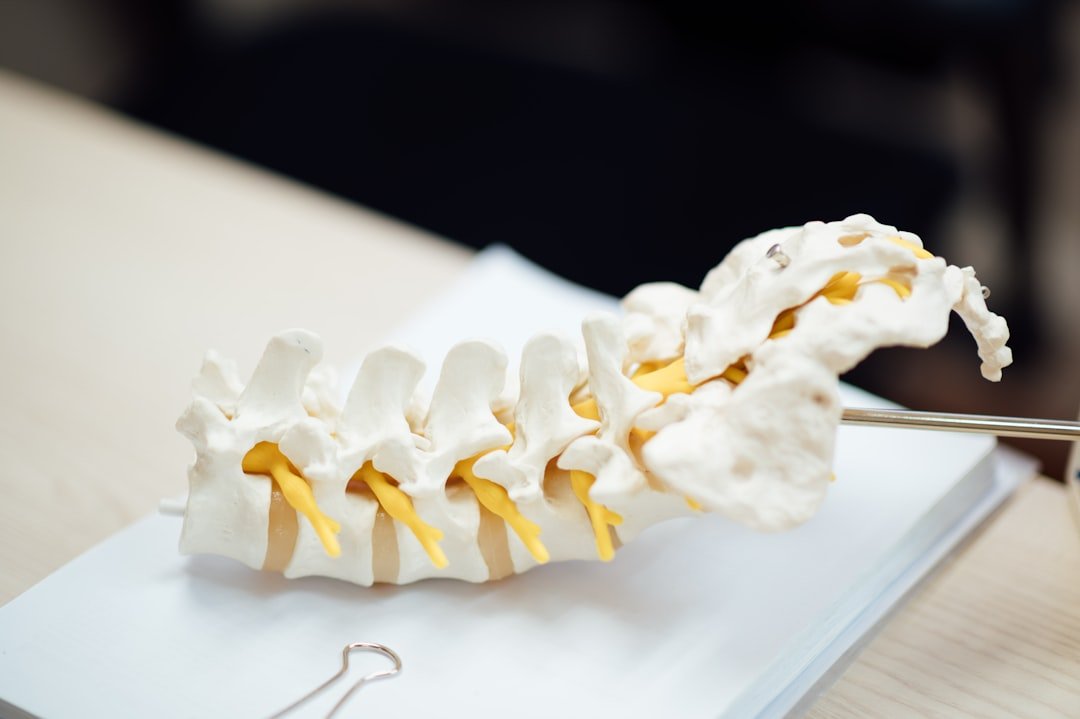
Back pain is a highly prevalent condition, affecting a significant portion of the population at some point in their lives. It can range from a dull ache to a sharp, debilitating sensation. The spine, a complex structure of bones (vertebrae), discs, nerves, and muscles, is central to our body’s movement and support. When any part of this intricate system is compromised, pain can result.
Typical Causes of Back Pain
Most back pain is mechanical, meaning it’s related to how your spine moves and functions. Common causes include:
- Muscle strain: Overexertion, improper lifting, or sudden movements can strain back muscles.
- Ligament sprains: Similar to muscle strains, ligaments can be stretched or torn.
- Herniated disc (slipped disc): The soft inner material of a disc can push through its outer layer, potentially irritating nearby nerves. Think of a jelly donut where the jelly squirts out.
- Degenerative disc disease: As we age, our spinal discs can dry out and shrink, leading to pain and stiffness.
- Osteoarthritis: Wear and tear on the facet joints (small joints between vertebrae) can cause pain and inflammation.
For many, these issues improve with self-care, such as applying heat or ice, taking over-the-counter pain relievers, and modifying activities. However, it’s crucial to know when to seek professional medical advice.
In addition to understanding when back pain requires more than just rest, it’s essential to be aware of the latest advancements in treatment options. For instance, the article on awake spine surgery discusses innovative techniques that can provide relief for patients suffering from chronic back pain. You can read more about this approach and its implications for future treatments in the article titled “Awake Spine Surgery in 2024: 5 Notes” available at this link.
Recognizing Red Flags: When to Seek Immediate Medical Attention
While many cases of back pain are not serious, certain symptoms—known as “red flags”—can indicate a more urgent or severe underlying condition. Ignoring these signs could lead to serious medical complications. If you experience any of the following, it is important to contact a qualified clinician promptly.
Neurological Deficits: More Than Just Pain
Your spinal cord and nerves are the highway for communication between your brain and the rest of your body. When this communication is disrupted, it can manifest in ways that extend beyond simple pain.
- Weakness in the legs or feet: Difficulty lifting your foot (foot drop), struggling to stand on your toes or heels, or a noticeable loss of strength in your legs can be a sign of nerve compression. This can feel like your legs are “giving out” or that you’re dragging your foot.
- Numbness or tingling: While mild tingling can accompany common nerve irritation, widespread or severe numbness, especially in the “saddle area” (groin, buttocks, genitals), is a serious red flag. This can be a sign of Cauda Equina Syndrome, a rare but severe condition.
- Loss of reflexes: A clinician may test your reflexes during an examination. Absent or significantly diminished reflexes in your legs can indicate nerve damage.
- Difficulty with balance or coordination: If you suddenly find yourself tripping more often, having trouble walking in a straight line, or feeling generally uncoordinated, this could point to spinal cord compression.
These neurological symptoms are akin to a warning light on your car’s dashboard—they indicate a problem that warrants immediate attention to prevent potential long-term damage.
Systemic Symptoms: Not Just a Spine Problem
Sometimes, back pain is a symptom of a broader issue affecting your body. These “systemic” symptoms suggest that the problem might not be purely mechanical within your spine.
- Unexplained weight loss: Losing a significant amount of weight without trying (e.g., more than 10 pounds in a few months) can be a red flag for various serious conditions, including infections or tumors.
- Fever or chills: If your back pain is accompanied by a fever, chills, or night sweats, it could indicate an infection in your spine (like osteomyelitis or discitis) or elsewhere in your body.
- Fatigue: Persistent and profound fatigue, especially when coupled with other symptoms, can be a sign that your body is fighting a more serious disease process.
- Night sweats: Waking up drenched in sweat, even when your room is cool, can be a sign of an underlying infection, inflammation, or other serious conditions.
These systemic symptoms act as a smoke detector—they signal that there might be a fire (a serious illness) burning within, beyond just the structure of your back.
Bladder or Bowel Dysfunction: A Critical Warning
Changes in your ability to control your bladder or bowels are among the most urgent red flags for back pain. This can indicate severe compression of the nerves that control these functions.
- Loss of bladder control (urinary incontinence): Suddenly unable to hold your urine, experiencing leakage, or having difficulty urinating (urinary retention) are serious signs.
- Loss of bowel control (fecal incontinence): Inability to control bowel movements is an emergency.
- Difficulty initiating urination or bowel movements: Even if you don’t experience full incontinence, struggling to start or complete urination or bowel movements can be a red flag.
- Numbness around the anus or genitals (saddle anesthesia): This specific type of numbness, affecting the area that would touch a saddle, is a hallmark symptom of Cauda Equina Syndrome.
These symptoms are like a “mayday” call from your body, demanding immediate medical intervention to prevent permanent nerve damage.
History of Trauma or Other Medical Conditions
Your personal medical history and recent events can also elevate the concern level for back pain.
- Recent trauma: If your back pain started after a fall, car accident, or other significant impact, it’s essential to rule out fractures or other injuries to the spine. Even seemingly minor trauma in older individuals with osteoporosis can lead to vertebral fractures.
- History of cancer: If you have a known history of cancer, new or worsening back pain could indicate that the cancer has spread to your spine.
- Use of immunosuppressants or IV drug use: These factors increase the risk of spinal infections, making fever and back pain a more serious concern.
- Long-term steroid use: Chronic steroid use can weaken bones, increasing the risk of compression fractures, even with minimal trauma.
Your medical history provides context. A doctor acts like a detective, and your history offers crucial clues about the nature of your pain.
Diagnosing the Cause: A Comprehensive Approach
When you present with back pain and red flag symptoms, a thorough diagnostic process is essential to determine the underlying cause and guide appropriate treatment.
Clinical Examination
Your visit will begin with a detailed discussion of your symptoms and medical history. I will then perform a physical examination, assessing:
- Range of motion: How far you can bend and twist your spine without pain.
- Palpation: Gently feeling your spine for tender spots or muscle spasms.
- Neurological exam: Testing your reflexes, muscle strength, and sensation in your legs and feet. This helps pinpoint whether nerves are involved and the extent of any damage.
- Gait analysis: Observing how you walk to identify any imbalances or weaknesses.
This initial assessment provides crucial information, guiding the selection of imaging studies.
Imaging Studies: Peeking Inside
To get a clearer picture of your spine’s internal structures, specific imaging tests may be ordered.
- X-rays: These quick studies provide images of your bones. They are excellent for identifying fractures, scoliosis (curvature of the spine), and signs of arthritis or bone spurs. However, X-rays do not show soft tissues like discs or nerves.
- MRI (Magnetic Resonance Imaging): An MRI is the gold standard for visualizing soft tissues. It uses strong magnets and radio waves to create detailed images of your discs, nerves, spinal cord, ligaments, and surrounding muscles. An MRI can detect herniated discs, spinal stenosis (narrowing of the spinal canal), tumors, infections, and spinal cord compression.
- CT Scan (Computed Tomography): While MRI excels at soft tissue, a CT scan provides more detailed images of bone structures than an X-ray. It’s particularly useful for complex fractures or when MRI is contraindicated (e.g., for patients with certain types of metal implants).
- Myelogram: In some cases, a special dye is injected into the spinal canal before X-rays or CT scans are taken. This dye highlights the spinal cord and nerve roots, providing even greater detail, especially if standard MRI images are inconclusive or if a patient cannot undergo an MRI.
As part of my commitment to accessible spine care, I offer a free MRI review/2nd opinion. If you have recent imaging, we can discuss the findings and what they mean for your condition.
Treatment Paths: From Conservative to Surgical Care
The treatment plan for back pain, especially when red flags are present, is highly individualized and depends on the specific diagnosis. My approach always prioritizes the least invasive, yet most effective, treatments.
Conservative Care: The First Line
Many serious back conditions can initially be managed without surgery.
- Rest and activity modification: While complete bed rest is rarely recommended, temporary avoidance of aggravating activities is often helpful.
- Physical therapy: A customized program of exercises to strengthen core muscles, improve flexibility, and correct posture can be highly effective. This is often the cornerstone of non-surgical treatment.
- Medications: Anti-inflammatory drugs, muscle relaxants, or nerve pain medications can help manage symptoms.
- Spinal injections: Epidural steroid injections or nerve blocks can deliver medication directly to the source of pain and inflammation, providing temporary relief.
Advanced and Minimally Invasive Surgical Interventions
When conservative care does not provide sufficient relief, or if red flags indicate an urgent need for intervention (such as severe nerve compression or spinal instability), surgical options may be considered. My practice in Oklahoma City utilizes state-of-the-art techniques to optimize outcomes and minimize recovery time.
- Minimally Invasive Spine Surgery: Utilizing small incisions, specialized instruments, and advanced imaging, these procedures result in less muscle damage, reduced pain, and faster recovery compared to traditional open surgery.
- ProneTransPsoas (PTP) Approach: A highly advanced minimally invasive technique for lumbar disc and fusion procedures. By accessing the spine through the side of the body, away from major back muscles, it allows for decompression and fusion with minimal disruption.
- Ultrasonic Decompressions: Using precisely controlled ultrasonic energy, we can remove bone or disc material to relieve nerve compression without damaging surrounding soft tissues.
- Cervical (Neck), Thoracic (Mid-Back), and Lumbar (Lower Back) Care: I treat conditions affecting all regions of the spine, from disc herniations and stenosis to instability and deformities.
- Spinal Fusion: For unstable or severely arthritic segments of the spine, fusion surgery permanently joins two or more vertebrae to eliminate painful motion. This can be done minimally invasively or through traditional open approaches depending on the complexity.
- Disc Replacement: In select cases, particularly in the cervical spine, a damaged disc can be replaced with an artificial disc. This preserves motion at the surgical level, unlike fusion.
- Scoliosis Correction: For progressive or painful spinal curves, surgical correction can realign the spine and stabilize it.
- Trauma Follow-Up: For patients recovering from spinal injuries, comprehensive follow-up care ensures proper healing and rehabilitation.
My commitment is to explore all appropriate options with you, ensuring you understand the benefits and risks of each path forward.
In the quest to understand back pain, it’s essential to recognize when symptoms may indicate a more serious underlying issue. For those seeking further insights, an informative article on the gender distribution in lumbar and cervical spine patients can provide valuable context. By exploring the differences in how back pain manifests across genders, readers can gain a deeper understanding of their own experiences. You can read more about this topic in the article here.
Frequently Asked Questions
| Red Flag | Description | Possible Cause | Recommended Action |
|---|---|---|---|
| Severe or worsening pain | Pain that intensifies over time or does not improve with rest | Serious spinal injury, infection, or tumor | Seek immediate medical evaluation |
| Unexplained weight loss | Significant weight loss without dieting or exercise | Possible cancer or systemic illness | Consult a healthcare provider promptly |
| Fever or chills | Accompanying fever with back pain | Infection such as spinal osteomyelitis or abscess | Urgent medical assessment required |
| Loss of bladder or bowel control | Incontinence or difficulty urinating | Cauda equina syndrome (spinal nerve compression) | Emergency medical treatment needed |
| Neurological symptoms | Numbness, tingling, or weakness in legs | Nerve compression or spinal cord injury | Seek prompt neurological evaluation |
| History of cancer | Previous diagnosis of cancer with new back pain | Possible metastatic disease | Immediate medical consultation advised |
| Trauma | Recent significant injury or fall | Fracture or spinal injury | Urgent imaging and medical care |
What exactly is Cauda Equina Syndrome?
Cauda Equina Syndrome is a rare but severe condition where the bundle of nerves at the end of the spinal cord (the cauda equina) becomes compressed. This can lead to loss of sensation in the saddle area, bladder and bowel dysfunction, and leg weakness. It is a surgical emergency.
Can back pain be psychological?
While chronic stress can exacerbate pain, and psychological factors play a role in how pain is perceived and managed, “red flag” back pain always has a physical cause that needs to be investigated. It’s never “all in your head” if you’re experiencing these warning signs.
How do I know if my numbness is serious?
If numbness is progressive, affects your balance, is accompanied by weakness, or affects your bladder or bowel function, it is serious and warrants immediate medical attention.
Is surgery always the answer if I have a red flag?
Not necessarily. While some red flags (like Cauda Equina Syndrome or rapidly progressing weakness) often require urgent surgical intervention, others may still be approached conservatively initially, under close medical supervision. The decision depends on the specific diagnosis and severity.
Your Path to Relief
Back pain can be a disruptive force in your life, but understanding the warning signs is the first step toward effective management and recovery. If you are experiencing any of the red flag symptoms discussed above, do not delay in seeking professional medical evaluation. Your spine is a vital structure, and protecting its health is paramount.
You don’t have to live with debilitating pain or uncertainty. As a fellowship-trained Orthopedic Spine Surgeon in Oklahoma City, I am dedicated to providing clear diagnoses and comprehensive treatment plans tailored to your specific needs. Serving the OKC metro, including Norman, Edmond, and Yukon, my office is equipped with advanced technology and a compassionate team ready to assist you.
Contact us today to schedule a consultation or take advantage of our free MRI review/2nd opinion. Call us at (405) 645-5475 or book your appointment online at JeffreyMooreSpine.com. Let’s work together to get you back on the path to a healthier, more active life.
FAQs
What are common causes of back pain?
Back pain can result from muscle strain, poor posture, herniated discs, arthritis, or injury. It may also be caused by underlying medical conditions such as infections or tumors.
When should I be concerned about my back pain?
You should seek medical attention if your back pain is severe, persistent beyond a few weeks, worsens over time, or is accompanied by symptoms like numbness, weakness, fever, unexplained weight loss, or loss of bladder or bowel control.
What are the red flags indicating serious back problems?
Red flags include sudden onset of severe pain after trauma, neurological symptoms (e.g., leg weakness, numbness), fever or chills, unexplained weight loss, history of cancer, and loss of bladder or bowel control.
Is rest always the best treatment for back pain?
While short periods of rest can help, prolonged inactivity may worsen back pain. Staying active with gentle movements and physical therapy is often recommended unless serious conditions are present.
When should I see a doctor for back pain?
See a doctor if your back pain is severe, lasts more than a few weeks, is associated with red flag symptoms, or if over-the-counter treatments and home care do not improve your condition.
Can back pain be a sign of a medical emergency?
Yes, back pain accompanied by loss of bladder or bowel control, severe weakness, or sudden numbness in the legs may indicate a medical emergency requiring immediate attention.
What diagnostic tests might be used to evaluate serious back pain?
Doctors may order X-rays, MRI, CT scans, or blood tests to identify fractures, infections, tumors, or nerve compression when red flags are present.
How can I prevent back pain from becoming serious?
Maintain good posture, exercise regularly, use proper lifting techniques, maintain a healthy weight, and seek early medical advice if pain worsens or new symptoms develop.