
When Conservative Care Reaches its Limits: Understanding Surgical Options for Spine Pain
Living with persistent back or neck pain can be incredibly frustrating. You’ve likely tried everything: rest, over-the-counter medications, physical therapy, and even targeted injections. For many, these conservative treatments offer significant relief, allowing them to return to their daily activities with minimal discomfort. However, there are times when, despite dedicated effort and skilled care, the pain simply doesn’t go away or keeps coming back. This can be a disheartening realization, leading you to wonder if you’ll ever find lasting relief.
As a fellowship-trained orthopedic spine surgeon, my goal is always to help my patients achieve the best possible quality of life with the least invasive methods. I understand the apprehension that can come with even considering surgery. That’s why I believe in clear communication, empowering you with information so you can make informed decisions about your health. This article explores those situations where physical therapy and injections, while valuable tools, may no longer be enough, and when surgical intervention might become a necessary and effective path toward long-term pain relief and improved function. We’ll discuss why this might happen, what specific conditions often lead to surgical consideration, and what modern surgical options are available to help you get back to living your life to the fullest.
For those exploring options beyond physical therapy and injections for spine pain, it’s essential to consider the financial implications of surgical interventions. An insightful article discussing the costs associated with spinal fusions in the ten most populated states can provide valuable context for patients weighing their treatment options. You can read more about this topic in the article titled “Cost of Spinal Fusions in the 10 Most Populated States” available at here.
The Persistent Nature of Some Spine Conditions
It’s important to understand why conservative treatments sometimes fall short. Our spines are incredibly complex structures, bearing the weight of our bodies and allowing for a vast range of motion. They are also susceptible to wear and tear, injury, and degenerative changes over time. While physical therapy aims to strengthen supporting muscles, improve flexibility, and correct posture, and injections target inflammation and numb specific nerves, they don’t always address the underlying structural issues that can be causing significant pain.
Understanding the Limitations of Non-Surgical Approaches
Think of it this way: if you have a worn-out tire, patching it up might get you a little further, but eventually, you’ll need a new tire. Similarly, if there’s a significant structural problem in your spine, such as a large herniated disc pressing on a nerve or severe narrowing of the spinal canal, conservative treatments may only offer temporary relief or no relief at all. They might manage the symptoms, but they don’t fix the root cause.
When Pain Persists Despite Best Efforts
You’ve likely invested time, energy, and hope into your physical therapy program. You’ve diligently performed your exercises, paid attention to your body mechanics, and followed your therapist’s guidance. Perhaps you’ve also undergone one or more epidural steroid injections or nerve blocks, initially experiencing some relief. But if your pain continues to be severe, limits your daily activities, disrupts your sleep, and significantly impacts your quality of life for several months despite these efforts, it’s a strong indicator that the underlying issue might require a different approach.
Progressive Neurological Symptoms
One of the most critical reasons to consider surgical intervention is the development or worsening of neurological symptoms. These are signals that a nerve in your spine might be severely compressed or damaged. This can manifest as:
- Weakness: Difficulty lifting your foot, gripping objects, or feeling like your leg or arm gives out.
- Numbness: A complete loss of sensation or a constant “pins and needles” feeling that doesn’t go away.
- Foot drop: Inability to lift the front part of your foot, causing it to drag when you walk.
- Loss of bowel or bladder control (Cauda Equina Syndrome): This is a rare but very serious emergency requiring immediate medical attention. If you experience this, seek emergency care immediately.
These symptoms suggest that the pressure on the nerve is significant enough to interfere with its ability to function properly. Prolonged compression can lead to permanent nerve damage, making timely intervention crucial.
Identifying Specific Spine Conditions That May Require Surgery
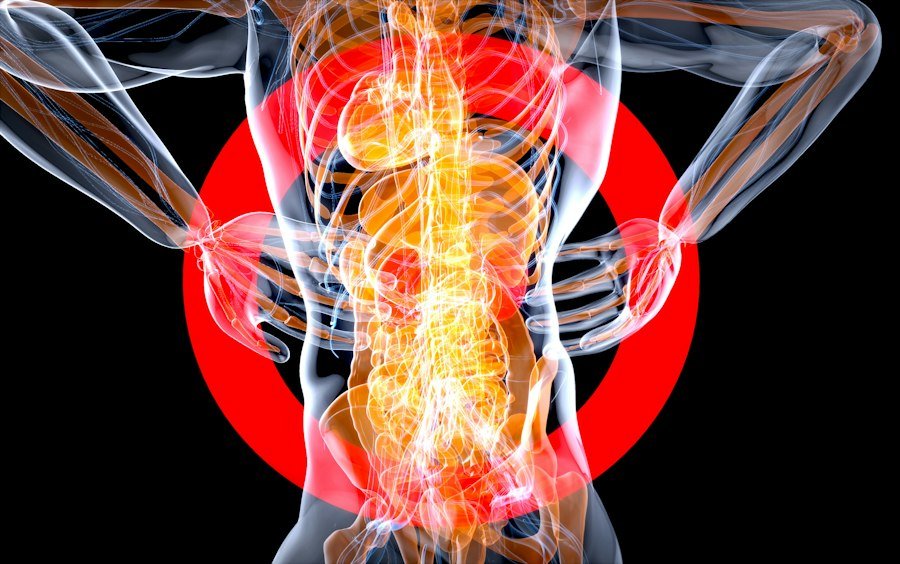
While many back and neck problems resolve with conservative care, certain conditions are more likely to eventually warrant surgical consideration, especially if they are severe or progressive.
Herniated Discs and Radiculopathy
A herniated disc occurs when the soft, jelly-like center of a spinal disc pushes out through a tear in its tougher outer layer. This bulging material can then press directly on nearby spinal nerves, causing pain, numbness, or weakness in the area supplied by that nerve. This is often referred to as radiculopathy (pain radiating down an arm or leg) or sciatica (pain radiating down the back of the leg).
When a Herniated Disc Requires More Than PT
Most herniated discs improve with physical therapy, anti-inflammatory medications, and sometimes injections. However, surgery may be considered if:
- Severe, unrelenting pain: The pain is so intense that it significantly impacts your daily life and doesn’t respond to conservative measures after 6-12 weeks.
- Progressive neurological deficits: You develop increasing weakness, numbness, or loss of reflexes in the affected limb.
- Cauda Equina Syndrome: As mentioned, this is a surgical emergency.
Surgical options for a herniated disc typically involve removing the part of the disc that is pressing on the nerve. This is often done through a procedure called a microdiscectomy.
Spinal Stenosis
Spinal stenosis is a narrowing of the spinal canal, the space that houses the spinal cord and nerves. This narrowing can be caused by bone spurs, thickened ligaments, or bulging discs, often as a result of age-related wear and tear (arthritis). When the space becomes too constricted, it compresses the nerves, leading to symptoms like leg pain (sciatica), numbness, tingling, and weakness, especially when standing or walking. This pain often improves when sitting or leaning forward.
When Stenosis Impairs Quality of Life
For many with mild stenosis, physical therapy, activity modification, and injections can provide good relief. However, surgery becomes an option when:
- Significant functional limitations: Your ability to walk, stand, or participate in daily activities is severely restricted by pain, weakness, or numbness.
- Pain is unmanageable: Conservative treatments fail to provide adequate pain relief.
- Progressive neurological symptoms: You experience worsening weakness or sensory loss.
The primary surgical goal for spinal stenosis is to decompress (create more space for) the compressed nerves. This is often achieved through a laminectomy or laminotomy.
Spondylolisthesis (Spinal Instability)
Spondylolisthesis occurs when one vertebra slips forward over the one below it. This can be due to a fracture, degenerative changes, or a congenital defect. The slippage can put pressure on nerves, cause instability in the spine, and lead to back pain, leg pain, and muscle spasms.
Addressing Spinal Instability Surgically
If the slippage is mild and not causing significant symptoms, conservative management is usually effective. However, surgery may be recommended if:
- Significant and persistent pain: Pain is severe, chronic, and doesn’t respond to conservative treatments.
- Progressive slippage: X-rays show that the vertebra is continuing to slip further.
- Neurological symptoms: The slipped vertebra is compressing nerves, causing weakness, numbness, or bowel/bladder issues.
Surgical treatment for spondylolisthesis often involves a spinal fusion, where two or more vertebrae are permanently joined together to stabilize the spine.
Degenerative Disc Disease (Severe)
While “degenerative disc disease” sounds alarming, it’s actually a natural part of aging, referring to the wear and tear on your spinal discs. Most people with DDD never need surgery. However, in some cases, the degeneration becomes severe, leading to significant disc space collapse, bone spurs, and chronic pain that is not alleviated by conservative measures.
When Discs Are Beyond Repair
Surgery might be considered for severe degenerative disc disease if:
- Chronic, debilitating pain: Pain is persistent, severe, and has not responded to extensive non-surgical treatment for at least six months.
- Imaging clearly correlates with symptoms: MRI or CT scans clearly show severe disc degeneration that aligns with your specific pain patterns.
- Spinal instability: The degeneration has led to instability between vertebrae.
Surgical options for severe DDD might include spinal fusion or, in select cases for the neck or lower back, artificial disc replacement.
Diagnostic Tools and When to Consider a Surgical Opinion
Making the decision for surgery is a significant step, and it should always be based on a thorough understanding of your condition. This involves a comprehensive evaluation by a spine specialist.
The Role of Advanced Imaging (MRI and X-rays)
While X-rays show bone structure and spinal alignment, an MRI (Magnetic Resonance Imaging) provides detailed images of soft tissues like discs, nerves, and the spinal cord. These images are crucial for identifying:
- Herniated discs: Location, size, and degree of nerve compression.
- Spinal stenosis: Severity of narrowing in the spinal canal.
- Nerve root compression: Direct visualization of pressure on nerves.
- Degenerative changes: Disc desiccation, bone spurs, and facet joint arthritis.
- Tumors or infections: Though less common, these can also cause spine pain and require immediate attention.
It’s important to remember that abnormal findings on an MRI don’t automatically mean you need surgery. Many people have disc bulges or stenosis on their MRI without experiencing pain. The imaging results must always be correlated with your symptoms, physical exam findings, and your response to conservative treatments.
The Importance of a Second Opinion
If you’ve been recommended for spine surgery, especially for a complex condition, seeking a second opinion is often a good idea. A fresh perspective from another experienced spine specialist can:
- Confirm the diagnosis: Ensure that the proposed surgical plan aligns with the findings.
- Explore alternative options: Sometimes, another surgeon might suggest a different approach or even alternative conservative treatments that weren’t initially considered.
- Provide peace of mind: Knowing that multiple experts agree on a course of action can greatly reduce anxiety and increase confidence in your decision.
When seeking a second opinion, bring all your medical records, including imaging studies (MRI, X-rays, CT scans), and a summary of your treatment history.
“Red Flags” That Indicate Urgent Medical Attention
While most spine pain is not life-threatening, there are certain “red flag” symptoms that warrant immediate medical evaluation, as they could indicate a serious underlying problem:
- Loss of bowel or bladder control: This is a sign of Cauda Equina Syndrome, a true surgical emergency.
- Sudden or rapidly progressing weakness: Especially in both legs or arms.
- Severe, unrelenting pain that worsens at night or with rest: This can sometimes indicate a tumor or infection.
- Fever, chills, or unexplained weight loss: These could suggest an infection or other systemic illness.
- Pain following significant trauma: Such as a fall or car accident, which could indicate a fracture.
If you experience any of these symptoms, do not delay seeking immediate medical attention. Call (405) 645-5475 or go to the nearest emergency room.
For those exploring options when physical therapy and injections fall short in managing spine pain, it can be beneficial to understand the potential complications that may arise in the lumbar spine. An insightful article that delves into these issues is available at most common lumbar spine complications. This resource provides valuable information that can help patients make informed decisions about their treatment paths.
Modern Surgical Approaches for Spine Pain
| Metric | Description | Typical Values/Range | Notes |
|---|---|---|---|
| Duration of Spine Pain | Length of time patient experiences spine pain despite therapy and injections | > 3 months (chronic) | Chronic pain often indicates need for advanced interventions |
| Pain Intensity (VAS Score) | Visual Analog Scale score measuring pain severity | 7-10 (severe) | High scores after therapy suggest insufficient relief |
| Functional Disability (Oswestry Disability Index) | Percentage indicating level of disability due to spine pain | 40-60% (moderate to severe) | Higher scores may warrant surgical evaluation |
| Number of Physical Therapy Sessions | Total sessions completed without adequate improvement | 12-20 sessions | Standard course before considering alternative treatments |
| Number of Injection Treatments | Count of epidural or facet joint injections administered | 3-5 injections | Repeated injections with limited effect suggest other options |
| Imaging Findings | Presence of structural abnormalities on MRI or CT | Disc herniation, spinal stenosis, spondylolisthesis | May guide decision for surgical intervention |
| Patient Quality of Life Score | Assessment via SF-36 or similar questionnaire | Below 50% of normal | Significant impact on daily living supports advanced treatment |
When surgery is deemed necessary, significant advancements in orthopedic spine surgery have made procedures safer, more effective, and often less invasive than in the past. My philosophy is to use the least invasive approach that will effectively address your specific problem, promoting faster recovery and less post-operative pain.
Minimally Invasive Spine Surgery (MISS)
Minimally invasive techniques use smaller incisions, specialized instruments, and often microscopic or endoscopic visualization. This approach leads to:
- Less muscle disruption: Instead of cutting through muscles, MISS often uses dilators to gently separate muscle fibers, resulting in less trauma.
- Reduced blood loss: Smaller incisions and less tissue damage mean less bleeding.
- Faster recovery: Patients often experience less post-operative pain, shorter hospital stays, and a quicker return to normal activities.
- Smaller scars: A cosmetic benefit for many.
MISS is suitable for many conditions, including certain herniated discs, spinal stenosis, and even some fusions.
Microdiscectomy
This is a common MISS procedure for a herniated disc that is pressing on a nerve. Through a small incision, a microscope or endoscope is used to visualize the nerve and the herniated disc material. Only the portion of the disc that is compressing the nerve is removed, relieving pressure and pain.
Lumbar Decompression (Laminectomy/Laminotomy)
For spinal stenosis, decompression aims to create more space for the spinal nerves. A laminectomy involves removing a portion of the lamina (the bony arch of the vertebra) and often thickened ligaments, while a laminotomy involves removing only a small part of the lamina. Both procedures relieve pressure on the nerves. These can often be performed minimally invasively.
Spinal Fusion
Spinal fusion is a procedure where two or more vertebrae are permanently joined together into a single, solid bone. This eliminates motion between those vertebrae, which can reduce pain caused by instability, severe degeneration, or deformity. Bone graft material (from your body, a donor, or synthetic) is used to encourage the bones to fuse together, often supplemented with screws, rods, or plates for added stability.
When Fusion is Necessary
Fusion is typically considered for conditions such as:
- Spondylolisthesis: To stabilize the slipped vertebra.
- Severe degenerative disc disease: When other treatments have failed and there is significant instability.
- Scoliosis or other spinal deformities: To correct curvature and stabilize the spine.
- Spinal fractures: To stabilize the spine after an injury.
While fusion does eliminate motion in the fused segment, the rest of the spine typically compensates, allowing for a good range of motion. Modern fusion techniques, including various approaches (anterior, posterior, lateral) and minimally invasive options (such as PTP, or “posterior to psoas” for lumbar fusions), aim to optimize outcomes while minimizing surgical impact.
Artificial Disc Replacement
Instead of fusing two vertebrae, artificial disc replacement involves removing the damaged spinal disc and replacing it with an artificial device. The goal is to maintain motion at the treated spinal segment, unlike fusion.
Advantages and Indications for Disc Replacement
Artificial disc replacement is typically considered for:
- Degenerative disc disease in the neck (ACDF): Anterior Cervical Discectomy and Fusion is a common procedure, but cervical disc replacement (ADR) can be an alternative for some patients, allowing for continued motion.
- Degenerative disc disease in the lower back: For specific cases of single-level lumbar disc degeneration, lumbar ADR may be an option.
The main advantage is the preservation of motion, which theoretically may reduce stress on adjacent spinal segments. However, not all patients are candidates for disc replacement, and factors like bone quality, adjacent disc health, and the extent of arthritis are carefully considered.
Scoliosis Correction
Scoliosis is an abnormal, sideways curvature of the spine. While mild scoliosis often requires no treatment, severe or progressive curves can cause pain, imbalance, and even impact lung function.
Surgical Intervention for Spinal Deformity
Surgical correction for scoliosis involves fusing vertebrae along the curve and using rods and screws to straighten and stabilize the spine. The goal is to reduce the curvature, prevent further progression, and improve spinal balance. This is a complex procedure often guided by advanced imaging and sometimes computer-guided navigation for precise implant placement.
Advanced Technologies in Spine Surgery
My practice utilizes cutting-edge technologies to enhance precision and patient safety, including:
- Computer-Guided Navigation: Similar to GPS, this technology provides real-time, 3D images of your spine during surgery, guiding the precise placement of screws and implants. This is particularly valuable for complex fusions and scoliosis corrections, improving accuracy and reducing risks.
- Intraoperative Neuromonitoring: Specialized technicians monitor your nerve function throughout the surgery. This helps ensure the safety of your spinal cord and nerves during delicate procedures.
- Ultrasonic Spine Care: In certain procedures, ultrasonic tools can be used to precisely remove bone while preserving delicate soft tissues like nerves, further enhancing safety and precision.
The Path Forward: Making an Informed Decision
Deciding whether to proceed with spine surgery is a very personal choice. It’s a decision that should be made collaboratively with your surgeon, after careful consideration of all factors.
What to Expect Before and After Surgery
Before surgery, you’ll undergo a thorough medical evaluation to ensure you are a suitable candidate. We will discuss the specific procedure, potential risks, and expected benefits in detail. We’ll also cover pre-operative instructions, including any medications to stop and when to stop eating or drinking.
After surgery, you’ll typically begin a carefully monitored recovery process. This usually involves:
- Pain management: Medications to control post-operative discomfort.
- Early mobilization: Getting up and moving as soon as safely possible, often with the help of physical therapists.
- Physical therapy: A personalized rehabilitation program designed to restore strength, flexibility, and function. This is critical for optimal long-term outcomes.
- Follow-up appointments: Regular visits to monitor your healing and progress.
Recovery timelines vary greatly depending on the type of surgery, your overall health, and your dedication to rehabilitation. My team and I are committed to supporting you every step of the way, providing clear instructions and compassionate care.
When to Seek a Consultation with Dr. Jeffrey Moore
If you’ve been living with chronic back or neck pain that hasn’t responded to physical therapy, injections, and other conservative treatments, it might be time to explore further options. You should consider a consultation with me if you experience:
- Persistent or worsening pain: Despite dedicated conservative efforts over several months.
- Progressive neurological symptoms: Such as increasing weakness, numbness, or difficulty walking.
- Significant limitations in daily activities: Your pain is preventing you from working, exercising, or enjoying your life.
- A new or worsening spinal deformity.
- A recommendation for surgery from another provider and desire a second opinion.
I serve patients throughout Oklahoma City, Edmond, Norman, Yukon, Moore, Mustang, Midwest City, and nearby areas. My approach is always to provide clear, compassionate guidance, exploring all appropriate avenues to help you achieve lasting relief and improved quality of life.
Don’t let persistent pain define your life. Take the next step toward understanding your options.
To schedule a consultation with Dr. Jeffrey Moore, call (405) 645-5475, book online, or request a FREE MRI review.
FAQs
What are some alternative treatments for spine pain when physical therapy and injections are not effective?
Some alternative treatments for spine pain include acupuncture, chiropractic care, massage therapy, yoga, and mindfulness meditation. These options can help manage pain and improve mobility for some individuals.
Is surgery the only option left for spine pain if physical therapy and injections do not work?
No, surgery is not the only option left for spine pain when other treatments are not effective. There are non-invasive procedures such as nerve ablation, spinal cord stimulation, and regenerative medicine therapies that can be considered before surgery.
How can a patient determine if they need more advanced treatment for their spine pain?
If a patient’s spine pain persists despite physical therapy and injections, they should consult with a spine specialist. The specialist can conduct further evaluations, such as imaging tests, to determine the underlying cause of the pain and recommend appropriate treatment options.
Are there any lifestyle changes that can help manage spine pain when traditional treatments are not enough?
Yes, lifestyle changes such as maintaining a healthy weight, practicing good posture, staying active with low-impact exercises, and avoiding activities that exacerbate the pain can help manage spine pain. Additionally, stress management techniques and proper ergonomics at work and home can also make a difference.
What are the potential risks of pursuing more advanced treatments for spine pain after physical therapy and injections have failed?
The potential risks of pursuing more advanced treatments for spine pain include complications from procedures, such as infection or nerve damage, as well as the possibility of the treatment not providing the desired relief. It is important for patients to discuss the risks and benefits with their healthcare provider before proceeding with any advanced treatment options.