

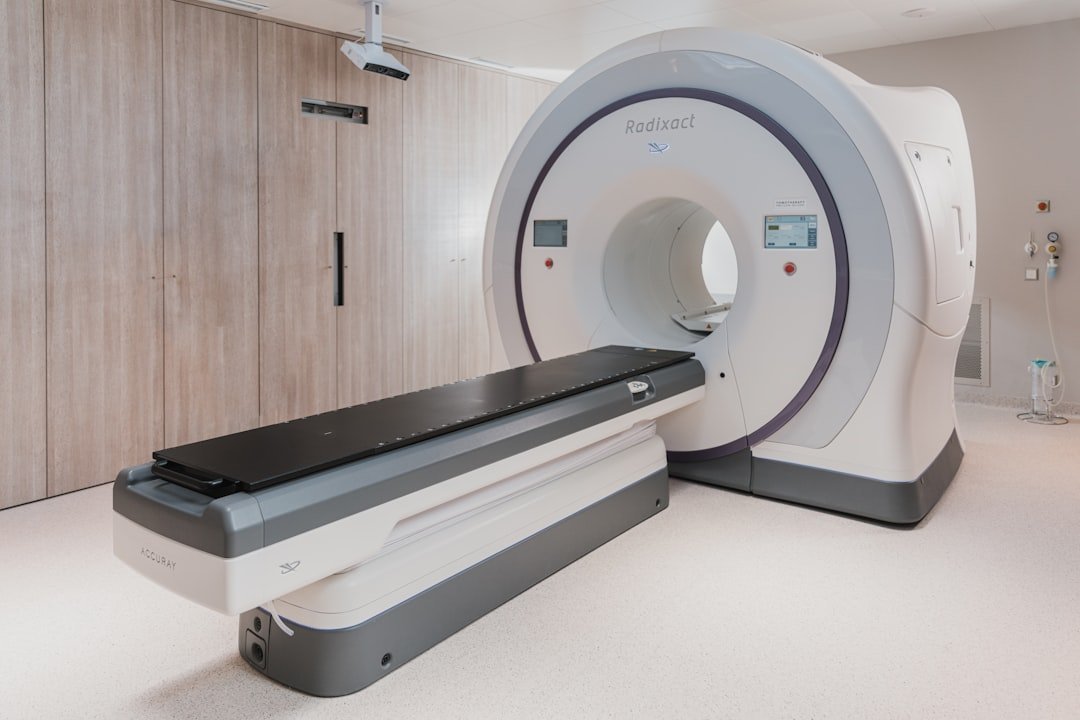
It’s a common concern: you’ve had an MRI, and the results show something significant, but you don’t feel as much pain as you’d expect, or vice versa. You might be wondering, “Why doesn’t my MRI picture match how I feel?” This is a question many of my patients in Oklahoma City, Edmond, Norman, and surrounding areas bring to my office. As an orthopedic spine surgeon, I understand how confusing this can be. Let’s break down why the images on an MRI don’t always tell the whole story about your pain.
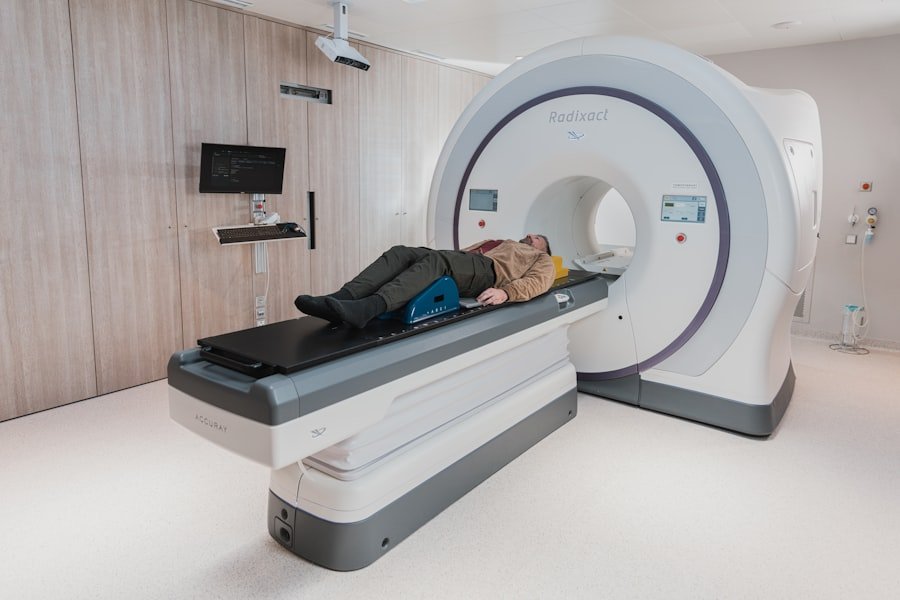
An MRI (Magnetic Resonance Imaging) is a powerful tool that uses magnetic fields and radio waves to create detailed images of the inside of your body. For your spine, it’s like having a super-detailed 3D map of your bones, nerves, discs, and ligaments.
What an MRI is Great At
- Visualizing Soft Tissues: MRIs are excellent at showing soft tissues like your spinal cord, nerves, and the discs between your vertebrae. This is crucial for identifying issues like herniated discs or swelling around nerves.
- Detecting Structural Changes: It can clearly show if a disc is bulging or herniated, if there’s narrowing in the spinal canal (spinal stenosis), or if there are bone spurs pressing on nerves.
- Identifying Inflammation: The MRI can highlight areas of inflammation, which can be a source of pain.
What an MRI Doesn’t Directly Show
- Your Pain Experience: This is the key. An MRI shows physical structures. It cannot directly measure or visualize how much pain you are experiencing. Pain is a complex sensation involving your brain, nerves, and emotional state.
- Nerve Function: While an MRI can show if a nerve is being squeezed, it doesn’t tell us how much that squeezing is affecting the nerve’s ability to send signals. A compressed nerve might cause severe pain in one person and very little in another.
- Your Body’s Coping Mechanisms: Your body is incredibly adaptable. It can often find ways to compensate for minor issues seen on an MRI, meaning you might not feel significant pain even if there’s a structural change.
In exploring the complexities of pain perception and diagnostic imaging, you may find it insightful to read the article titled “7 Spine Studies to Know,” which delves into various research findings related to spinal health and pain management. This article provides a deeper understanding of how MRI findings can sometimes be misleading when correlating them with a patient’s pain levels. For more information, you can access the article here: 7 Spine Studies to Know.
The Disconnect: Why Your MRI Findings Might Not Match Your Pain
This is where the confusion often starts. You see a “significant” finding on your MRI report, but you feel “only a little” pain, or you have a lot of pain with “minor” findings. Here are the common reasons why:
1. Nerve Compression vs. Nerve Irritation
- Compression: This is what the MRI is good at showing – a physical squeeze on a nerve. Think of stepping on a garden hose. You can see that the hose is being squashed.
- Irritation: Sometimes, a nerve can be irritated or inflamed without being severely compressed. This might be due to chemical changes around the nerve or less direct pressure. An MRI might not pick up subtle irritation as clearly as it shows direct squeezing.
- Individual Sensitivity: Some people’s nerves are naturally more sensitive to pressure or irritation than others. What causes mild discomfort for one person could be excruciating for another.
2. Your Brain is the Control Center for Pain
- Pain is Subjective: Pain is not just a physical signal; it’s an experience that is processed and interpreted by your brain. Many factors influence how your brain perceives pain.
- Emotional State: Stress, anxiety, and depression can significantly amplify pain signals. If you’re going through a stressful time, even a minor back issue might feel much worse.
- Past Experiences: Previous painful experiences can make your brain more sensitive to new pain signals.
- Beliefs and Expectations: What you believe about your pain and your ability to recover can influence how you experience it.
- The “Yellow Flags” of Pain: In medicine, we sometimes talk about “yellow flags.” These are psychosocial factors that can indicate a higher risk of developing chronic pain or not recovering as well. Things like fear of movement, avoidance of activity, or a belief that pain is harmful can all contribute to a higher pain experience that might not directly correlate with an MRI finding.
3. Your Body’s Amazing Ability to Adapt
- Compensation and Muscle Strength: Your body is designed to protect itself. If one part of your spine is having an issue, your muscles and ligaments often work overtime to compensate and keep you moving.
- Strong Core Muscles: If you have a strong core, it can help stabilize your spine and reduce the stress on discs or joints, potentially masking some of the pain from an MRI-visible problem.
- Scar Tissue and Fibrosis: Over time, if there’s irritation or minor injury, your body might form scar tissue. While scar tissue can sometimes be a source of pain itself, it can also help “splint” or stabilize an area, reducing movement that might otherwise cause pain.
- Natural Healing Processes: Your body is constantly healing. What looks like a significant issue on an MRI today might have been more painful in the past and is now in a healing phase, or your body has adapted to it.
4. The Difference Between an “Incidental Finding” and a “Symptomatic Finding”
- Incidental Findings: It’s very common for MRIs to reveal things that are not causing you any pain or symptoms. Think of finding a small mole on your skin – it’s there, but it’s not bothering you.
- Degenerative Changes: As we age, it’s natural for our spines to undergo degenerative changes. This can include minor disc bulges, small bone spurs, or mild arthritis in the facet joints. These are often present on an MRI but don’t cause any symptoms.
- The Importance of Context: A bulge in a disc is an MRI finding. Whether that bulge is pressing on a nerve and causing your specific back pain is the critical question.
- Symptomatic Findings: These are the MRI findings that directly correlate with your reported symptoms. They are the structural issues that are likely contributing to your pain.
- The Art of Diagnosis: My job as a spine surgeon is to correlate your symptoms, physical examination, and imaging findings. We look for the findings on the MRI that explain your specific type of pain, numbness, or weakness.
When to Be Concerned: Red Flags and Your Symptoms
While an MRI might not always perfectly match your pain level, certain symptoms are considered “red flags” and require immediate medical attention. These are signs that something more serious might be going on, regardless of your MRI findings.
1. Red Flag Symptoms to Watch For
- Bowel or Bladder Dysfunction: Sudden loss of control over your bowels or bladder, or difficulty urinating, can indicate a serious condition called cauda equina syndrome, which requires urgent surgery.
- Progressive Weakness: If you are experiencing increasing numbness or weakness in your legs or arms that is not improving.
- Fever or Unexplained Weight Loss: These can be signs of infection or cancer, which can affect the spine.
- Severe, Unrelievable Pain: Pain that is so severe it prevents you from sleeping or performing daily activities and is not helped by rest or simple pain relievers.
- Pain After Trauma: Significant pain following a fall or accident.
2. Understanding Your Specific Symptoms
Your description of your pain is invaluable. We don’t just look at the MRI; we listen to you.
- Location: Where exactly is the pain? Is it in your lower back, upper back, neck? Does it radiate down your leg or arm?
- Quality: What does the pain feel like? Is it sharp, dull, achy, burning, or like an electric shock?
- Timing: When is the pain worst? Is it constant or intermittent? Does it happen at certain times of the day or with certain activities?
- What Makes it Better or Worse: Does rest help? Does movement make it worse? Does sitting or standing affect it?
- Associated Symptoms: Are you experiencing numbness, tingling, weakness, or stiffness?
This detailed history helps me understand which MRI findings are most likely causing your specific symptoms.
Treatment Approaches: Beyond the MRI Picture
The beauty of spine care is that there are many treatment options available, and surgery is often the last resort. Your MRI findings, combined with your symptoms, guide our treatment plan.
1. Conservative Care: The First Line of Defense
For many back and neck issues, conservative treatments are highly effective and should be tried first.
- Physical Therapy (PT): This is a cornerstone of spine care. A skilled physical therapist can:
- Strengthen core and back muscles to better support the spine.
- Improve flexibility and range of motion.
- Teach proper posture and body mechanics to reduce strain.
- Use modalities like heat, ice, or ultrasound for pain relief.
- Help you understand pain management strategies.
- Medications: Over-the-counter pain relievers (like ibuprofen or acetaminophen) or prescription medications can help manage pain and inflammation.
- Activity Modification: Learning to adjust your daily activities to avoid aggravating your pain. This doesn’t mean stopping all activity, but rather finding a balance.
- Heat and Ice Therapy: Simple but effective for managing pain and inflammation.
2. Interventional Pain Management
If conservative treatments aren’t enough, injections can provide significant relief by targeting inflammation directly around nerves or in joints.
- Epidural Steroid Injections: Steroids are injected into the space around the spinal cord and nerves to reduce inflammation and pain.
- Facet Joint Injections: Steroids or anesthetic are injected into the small joints in the back of the spine that can become arthritic and painful.
- Nerve Blocks: Anesthetic is used to temporarily block the signals from a specific nerve that is causing pain.
3. Surgical Options: When Needed
Surgery is typically considered when conservative and interventional treatments have failed to provide adequate relief, or if there are progressive neurological deficits (like worsening weakness). The type of surgery depends entirely on the specific problem identified and its impact on you.
- Minimally Invasive Spine Surgery (MISS): Whenever possible, I aim for minimally invasive techniques. These involve smaller incisions, specialized instruments, and often faster recovery times compared to traditional open surgery.
- Decompression Surgery: This type of surgery aims to relieve pressure on your spinal cord or nerves.
- Laminectomy: Removing a portion of the lamina (the back part of the vertebra) to create more space.
- Discectomy: Removing a portion of a herniated disc that is pressing on a nerve.
- Spinal Fusion: In cases of instability or significant degeneration, spinal fusion may be recommended. This procedure joins two or more vertebrae together to prevent motion between them, providing stability.
- Interbody Fusion (e.g., ALIF, PLIF, TLIF): Fusion is performed between the vertebral bodies.
- Posterior Fusion: Fusion is performed from the back.
- Artificial Disc Replacement: In certain cases, particularly in the cervical (neck) spine, a damaged disc can be replaced with an artificial one to maintain motion. This is an alternative to fusion.
- ACDF (Anterior Cervical Discectomy and Fusion): A common procedure for neck disc issues where the disc is removed from the front and fused. If disc replacement is chosen instead of fusion, it’s an ACDR (Anterior Cervical Discectomy and Replacement).
- Scoliosis Correction Surgery: For severe spinal curvature that causes pain or functional limitations.
- Ultrasonic Spine Care: This is a newer technology that uses ultrasound waves to treat certain spinal conditions, often for pain relief and healing. It’s generally non-invasive.
- Computer-Guided Navigation: This advanced technology uses a computer system to guide the surgeon precisely during surgery, increasing accuracy and safety, especially in complex procedures.
In exploring the complexities of pain perception and diagnostic imaging, you may find it intriguing to read about the advancements in medical technology that are shaping the future of pain management. An article discussing the innovative procedures being adopted in various states highlights how these new techniques can provide more accurate assessments and treatment options for patients. For further insights, you can check out this related article on new tech procedures that are making waves in the field.
Frequently Asked Questions About MRI Findings and Pain
| Reason | Explanation |
|---|---|
| Normal Aging | As we age, degenerative changes in the spine are common and may not always correlate with pain. |
| Individual Pain Threshold | People have different pain thresholds, so the same MRI findings may cause varying levels of pain. |
| Psychological Factors | Emotional stress, anxiety, and depression can amplify pain perception, regardless of MRI results. |
| Functional MRI | Some MRI findings may not reflect the functional aspects of the body, such as muscle strength and flexibility. |
| Other Health Conditions | Medical conditions like fibromyalgia or neuropathy can cause pain unrelated to MRI findings. |
Here are some common questions I hear from patients:
Q: My MRI shows a herniated disc. Does that mean I need surgery?
A: Not necessarily. Many people have herniated discs on their MRIs without experiencing any pain. We consider your symptoms, your physical exam, and how the herniated disc might be affecting your nerves. Often, physical therapy, injections, and pain management can successfully treat a herniated disc without surgery.
Q: I have a lot of back pain, but my MRI looks pretty normal. What could be going on?
A: This is common. Your pain might be related to muscle strain, ligament sprains, early degenerative changes not yet visible on MRI, or even referred pain from another area. We’ll work together to pinpoint the source of your discomfort through a thorough history and physical exam. Sometimes, further diagnostic tests like X-rays or even a diagnostic injection might be helpful.
Q: Can my mental state really affect my back pain this much?
A: Absolutely. Your brain is the organ that interprets pain signals. Stress, anxiety, and depression can amplify these signals, making your pain feel much worse. Conversely, managing your mental well-being can significantly improve your pain experience. This is why a holistic approach to spine care is so important.
Q: What does “degenerative disc disease” on my MRI mean?
A: “Degenerative disc disease” is a term that describes the natural aging process of your spinal discs. Over time, discs lose hydration, become flatter, and can develop small tears. This is a normal part of aging for most people and doesn’t always cause pain. If it is causing pain, it’s usually due to the associated inflammation or instability.
Q: I got a second opinion, and the doctors had different interpretations of my MRI. What should I do?
A: It’s not uncommon for there to be slight variations in how different doctors interpret complex imaging. This is precisely why seeking a second opinion can be beneficial. My approach is to correlate the MRI findings with your specific symptoms and physical examination. We’ll discuss the findings from all reports and determine the best path forward for you.
Finding the Right Path for You
Your MRI is a valuable piece of the puzzle, but it’s not the whole picture. Your pain experience, your physical examination, and your overall health all play crucial roles in determining the best treatment plan for you. At my practice in Oklahoma City, I am dedicated to providing clear, compassionate, and confident care, explained in plain English. We will work together to understand your symptoms, interpret your MRI findings in the context of your pain, and develop a personalized treatment strategy, whether it involves conservative care, injections, or advanced surgical techniques when appropriate.
If you’re experiencing back or neck pain and are concerned about your MRI results, please don’t hesitate to reach out. We’re here to help you find relief and improve your quality of life.
Call us today at (405) 645-5475 to book your appointment or request a FREE MRI review. You can also book online through our website.
FAQs
What is an MRI?
An MRI, or magnetic resonance imaging, is a medical imaging technique that uses a magnetic field and radio waves to create detailed images of the organs and tissues within the body.
How are MRI findings related to pain levels?
MRI findings can show abnormalities or injuries in the body, but they may not always correlate with a person’s pain level. This means that a person may have significant MRI findings but experience little to no pain, or vice versa.
Why do MRI findings not always match pain levels?
There are several reasons why MRI findings may not align with a person’s pain level. These reasons can include individual pain tolerance, psychological factors, and the complex nature of pain perception.
What are some examples of discrepancies between MRI findings and pain levels?
Examples of discrepancies between MRI findings and pain levels can include cases where a person has severe pain but minimal MRI abnormalities, or cases where a person has significant MRI abnormalities but experiences little to no pain.
How should individuals and healthcare professionals approach MRI findings and pain levels?
It is important for individuals and healthcare professionals to consider MRI findings in the context of the patient’s overall clinical picture, including their symptoms, medical history, and physical examination. Additionally, a multidisciplinary approach that takes into account both physical and psychological factors may be beneficial in understanding and managing pain.