
When you experience pain or discomfort, it’s natural to want to understand what’s happening and how to find relief. At JeffreyMooreSpine.com, serving Oklahoma City, Norman, Edmond, and Yukon, Dr. Jeffrey A. Moore, a fellowship-trained orthopedic spine surgeon, is dedicated to helping you navigate these issues with calm confidence and clear explanations. This post focuses on spinal stenosis, a common condition where the space within your spine narrows, and why walking might lead to worsening leg pain. We’ll explore the causes, how it’s diagnosed, typical symptoms, and the various paths to treatment, from gentle approaches to specialized surgical techniques.
What is Spinal Stenosis?
Imagine your spinal canal as a tunnel that protects your spinal cord and the nerves branching out from it. Spinal stenosis occurs when this tunnel becomes narrower, putting pressure on these important structures. This narrowing can happen in different parts of the spine, most commonly in the lumbar (lower back) region, but also in the cervical (neck) and thoracic (mid-back) areas. The American Association of Neurological Surgeons reports that spinal stenosis is more common in people over 50, though it can occur at younger ages due to birth defects or injuries. The narrowing can affect the central canal where the spinal cord runs, or the foramina, which are the openings on either side where nerve roots exit the spine.
Common Causes of Spinal Stenosis
Several factors can contribute to the development of spinal stenosis. Often, it’s a combination of these issues working together over time.
Age-Related Changes (Degeneration)
As we age, our bodies naturally undergo changes that can impact the spine. This is the most frequent cause of spinal stenosis.
- Osteoarthritis (Arthritis of the Spine): Just like other joints in the body, the facet joints in your spine can develop arthritis. This can lead to the formation of bone spurs, which are bony outgrowths that can protrude into the spinal canal.
- Thickening of Ligaments: The ligaments that hold your spine together can also thicken and harden with age. These thickened ligaments can bulge inward, reducing the space available for nerves.
- Degenerative Disc Disease: The intervertebral discs, which act as cushions between your vertebrae, can lose their hydration and shrink over time. This can cause the vertebrae to move closer together, leading to instability and the formation of bone spurs in an attempt to stabilize the area.
Other Contributing Factors
While age is a primary driver, other issues can also lead to or worsen spinal stenosis.
- Herniated Discs: If the soft inner material of an intervertebral disc pushes through its outer layer, it can press directly on nerves or the spinal cord, causing stenosis. This can happen due to injury or degeneration.
- Scoliosis: This is a condition where the spine curves abnormally to the side. In severe cases, the curvature can narrow the spinal canal.
- Spinal Injuries: Fractures or dislocations of the vertebrae, often resulting from trauma, can lead to spinal stenosis by damaging the bones and potentially causing them to shift or narrow the canal.
- Spinal Tumors: Though less common, tumors within or near the spinal cord can reduce the space for nerves.
- Paget’s Disease: This is a chronic bone disease that can cause bones to enlarge and become deformed, potentially leading to spinal stenosis.
The Mechanism: Why Walking Worsens Leg Pain
The classic symptom of lumbar spinal stenosis is neurogenic claudication. This refers to leg pain, cramping, or numbness that occurs with walking or standing and is relieved by sitting or leaning forward. Understanding how spinal stenosis causes this specific type of pain requires looking at the mechanics of your spine and nerve function.
Nerve Compression and Blood Flow
When you stand or walk, the structures in your lower back are in a more extended position. For individuals with spinal stenosis, this extension can further narrow the spinal canal and the spaces where nerve roots exit. This compression can affect the blood supply to the nerves.
- Reduced Blood Flow: The nerves exiting your spinal cord need a sufficient supply of oxygen and nutrients carried by blood. When the spinal canal narrows, it can compress the tiny blood vessels that supply these nerves.
- Ischemia (Lack of Oxygen): With reduced blood flow, the nerves can become starved of oxygen. This lack of oxygen is called ischemia. When nerves are ischemic, they become inflamed and irritated, sending pain signals to your brain.
- Positional Changes: When you walk, the pressure on these already narrowed spaces can increase. Leaning forward, as you might do when resting or sitting, creates more space in the spinal canal, relieving the pressure on the nerves and improving blood flow. This is why relief is often found by sitting down or bending over something like a shopping cart or cane.
Nerve Involvement
The compression can affect the cauda equina, a bundle of nerve roots that extends from the lower part of the spinal cord. These nerves control sensation and movement in the legs and feet, as well as bladder and bowel function.
- Sciatic Nerve Pain: Often, the pain sensation travels along the path of the sciatic nerve, a large nerve that runs from your lower back down through your buttocks and legs. When this nerve is compressed, you might experience pain, tingling, or numbness in your legs.
- Bilateral Symptoms: While stenosis can affect one side, it often causes symptoms in both legs due to the central narrowing of the spinal canal.
For those experiencing spinal stenosis symptoms, understanding the impact of physical activity on leg pain is crucial. Interestingly, a related article discusses how a new cervical spine injury prediction rule could potentially decrease radiation exposure in children, which may also have implications for understanding spinal health in various populations. You can read more about this innovative approach in the article linked here: Cervical Spine Injury Prediction Rule Could Decrease Radiation Exposure in Children.
Symptoms of Spinal Stenosis
The symptoms of spinal stenosis can vary greatly depending on the location and severity of the narrowing. In the lumbar spine, neurogenic claudication is the hallmark.
Lumbar Spinal Stenosis Symptoms
The most common complaints revolve around discomfort in the legs and lower back, particularly with activity.
- Leg Pain and Cramping (Neurogenic Claudication): This is the defining symptom. You might experience aching, burning, or cramping in your buttocks, thighs, or calves. The pain is typically worse with walking or standing for extended periods.
- Numbness and Tingling: You may feel a pins-and-needles sensation or a loss of feeling in your legs or feet. This is a direct result of nerve compression.
- Weakness: Your legs might feel heavy or weak, making it difficult to walk or stand. This can lead to a feeling of instability.
- Relief with Rest or Leaning: The crucial factor here is that symptoms improve when you sit down, lean forward, or lie down. This positional relief is a strong indicator of stenosis.
- Lower Back Pain: While leg symptoms are more prominent with neurogenic claudication, some individuals also experience chronic lower back pain that may worsen with activity.
Cervical and Thoracic Spinal Stenosis Symptoms
Stenosis in these areas affects higher nerve pathways, leading to different sets of symptoms.
- Cervical Spinal Stenosis:
- Neck Pain: Aching or stiffness in the neck.
- Arm and Hand Symptoms: Pain, numbness, tingling, or weakness that can radiate into the shoulders, arms, and hands. This is often mistaken for carpal tunnel syndrome or other peripheral nerve issues.
- Balance Problems: Difficulty with coordination and maintaining balance, sometimes leading to unsteadiness or falls.
- Leg Symptoms: In severe cases, compression of the spinal cord in the neck can affect nerve pathways going to the legs, causing weakness or stiffness in the legs.
- Thoracic Spinal Stenosis: This is less common. Symptoms can include:
- Chest or Abdominal Pain: Pain that can radiate around the torso.
- Numbness or Weakness: Affecting the trunk, legs, or bowel/bladder function.
When to Seek Immediate Medical Attention (Red Flags)
While many spine conditions can be managed, certain symptoms require urgent attention to rule out serious issues. If you experience any of the following, please seek immediate medical care or go to the nearest emergency room:
- Sudden Loss of Bowel or Bladder Control: This is a critical sign that the nerves controlling these functions are severely compromised.
- Progressive Weakness in the Legs: If leg weakness is rapidly worsening and makes it difficult to walk or stand.
- Severe, Unrelenting Pain: Pain that is not relieved by any position and is increasingly severe.
- Numbness or Tingling in the “Saddle Area”: Numbness in the groin and genital area.
These “red flag” symptoms can indicate a condition called cauda equina syndrome or significant spinal cord compression, which requires immediate evaluation and treatment.
Diagnosing Spinal Stenosis
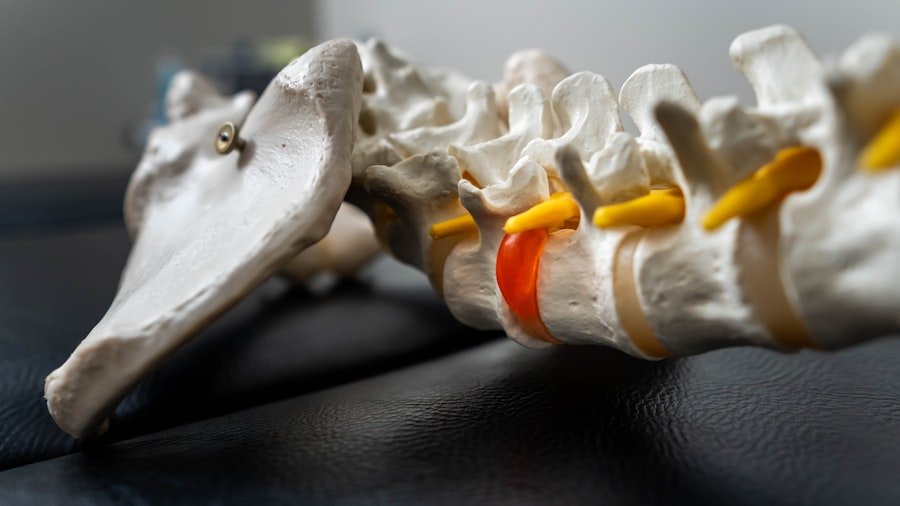
Pinpointing spinal stenosis involves a thorough medical history, a physical examination, and imaging studies. At JeffreyMooreSpine.com, we use advanced diagnostic tools to accurately assess your condition.
The Medical History and Physical Examination
Your journey to diagnosis begins with a conversation. Dr. Moore will ask detailed questions about your symptoms, their onset, what makes them better or worse, and your overall health history.
- Symptom Description: Understanding the character, location, and timing of your pain, as well as any other sensations like numbness or tingling, is crucial.
- Functional Limitations: Dr. Moore will want to know how your symptoms affect your daily activities, such as walking distance, ability to stand, or participation in hobbies.
- Physical Assessment: The physical exam involves several components:
- Neurological Testing: This assesses your nerve function. Dr. Moore will check your reflexes, muscle strength, sensation (touch, pinprick), and coordination in your legs and feet.
- Range of Motion: He will examine the flexibility and movement of your spine.
- Palpation: Gently feeling the spine and surrounding muscles to identify areas of tenderness or muscle guarding.
- Positional Tests: You might be asked to stand, walk, or sit to observe how your symptoms change with different postures.
Imaging Studies: X-rays and MRI
Imaging is essential for visualizing the bony structures and soft tissues of your spine to identify the narrowed spaces and the cause of compression.
X-rays
X-rays provide a good overview of the bony structures of your spine. They are useful for identifying:
- Bone Spurs: Visible outgrowths of bone that can encroach on the spinal canal.
- Arthritic Changes: Signs of osteoarthritis in the facet joints.
- Disc Space Narrowing: A reduction in the height of the intervertebral discs, indicating degeneration.
- Spondylolisthesis: A condition where one vertebra slips forward over another, which can narrow the canal.
- Alignment Issues: Curvatures or instability in the spine.
While X-rays can show some abnormalities, they are less effective at visualizing soft tissues like nerves and ligaments, which are often involved in spinal stenosis.
Magnetic Resonance Imaging (MRI)
MRI is typically the gold standard for diagnosing spinal stenosis because it provides detailed images of both bone and soft tissues.
- Detailed Soft Tissue Visualization: MRI can clearly show the spinal cord, nerve roots, intervertebral discs, ligaments, and any inflammation or swelling.
- Identifying Nerve Compression: This allows Dr. Moore to see precisely where and how the nerves are being compressed by bone spurs, thickened ligaments, or herniated discs.
- Assessing Degree of Stenosis: MRI provides a clear picture of the extent of narrowing in the spinal canal.
- Detecting Other Issues: MRI can also identify other potential problems, such as tumors or infections, that might be contributing to your symptoms.
At JeffreyMooreSpine.com, we understand that the idea of an MRI can sometimes be daunting. We aim to make the process as comfortable as possible and thoroughly explain what the images show. We also offer free MRI reviews and second opinions for those seeking clarity on their imaging results. This service can be incredibly valuable in understanding your condition and exploring all available options.
Treatment Paths for Spinal Stenosis
The goal of treatment for spinal stenosis is to reduce pain, improve function, and enhance your quality of life. Treatment approaches are generally categorized into conservative care and surgical options. The best path for you will depend on the severity of your stenosis, your symptoms, and your overall health.
Conservative Care: Non-Surgical Approaches
Many individuals find significant relief through conservative treatments, which focus on managing symptoms and improving spinal mechanics without surgery.
- Physical Therapy: A cornerstone of conservative care. A tailored physical therapy program can help you:
- Strengthen Core Muscles: Strong abdominal and back muscles provide better support for your spine, reducing stress on the narrowed areas.
- Improve Flexibility and Range of Motion: Gentle stretching can help alleviate muscle tightness and improve spinal mobility.
- Learn Proper Posture and Body Mechanics: Understanding how to move and position your body to minimize strain is vital.
- Develop an Exercise Program: Specific exercises can help open up the spinal canal, such as those that encourage slight flexion.
- Medications:
- Pain Relievers: Over-the-counter options like acetaminophen or nonsteroidal anti-inflammatory drugs (NSAIDs) like ibuprofen can help manage pain and inflammation.
- Muscle Relaxants: May be prescribed for muscle spasms.
- Nerve Pain Medications: Medications like gabapentin or pregabalin can be effective for neuropathic pain (nerve-related pain).
- Epidural Steroid Injections: These injections deliver anti-inflammatory medication directly to the area around the nerves in the spinal canal.
- Purpose: To reduce inflammation and pain caused by nerve root irritation or compression.
- Procedure: Performed under fluoroscopic (X-ray) guidance for accuracy.
- Effectiveness: Can provide temporary or longer-term relief, allowing patients to engage more effectively in physical therapy. Not everyone benefits, and the effects can be temporary.
- Activity Modification: Learning to balance rest and activity is key. This means identifying activities that trigger your pain and finding ways to modify them or take breaks.
- Bracing: In some cases, a supportive brace might be recommended for short-term use to provide stability.
Surgical Interventions: When Conservative Care is Not Enough
When conservative treatments do not provide adequate relief, or if your symptoms are severe and significantly impacting your quality of life, surgery may be considered. Dr. Moore specializes in advanced surgical techniques, including minimally invasive approaches, to address spinal stenosis effectively.
Goals of Spine Surgery for Stenosis
The primary goals of surgery are to:
- Decompress Nerves: Relieve pressure on the spinal cord and nerve roots.
- Stabilize the Spine: If instability is present, surgery can help fuse segments of the spine to prevent excessive motion.
- Correct Deformity: In cases of scoliosis, surgery can help straighten the spine.
Minimally Invasive Spine Surgery (MIS)
Dr. Moore is a leader in utilizing minimally invasive techniques. MIS approaches involve smaller incisions, specialized instruments, and often enhanced visualization (like microscopes or endoscopes). Benefits can include:
- Reduced Muscle Damage: Less disruption to surrounding muscles.
- Less Blood Loss: Typically, there is less bleeding during the procedure.
- Faster Recovery: Patients often experience shorter hospital stays and a quicker return to daily activities.
- Reduced Postoperative Pain: Generally, there is less pain after surgery compared to traditional open procedures.
Specific Surgical Techniques Offered
Dr. Moore offers a range of surgical options tailored to individual needs:
- Laminectomy/Decompression: This is a common procedure where a portion of the lamina (the bony arch at the back of the vertebra) is removed to create more space for the nerves. Ultrasonic decompressions use advanced technology to precisely remove bone with minimal disruption to surrounding tissues, a technique Dr. Moore utilizes.
- Foraminotomy: This procedure enlarges the opening (foramen) where a nerve root exits the spinal canal, relieving pressure on that specific nerve.
- Spinal Fusion: If there is significant instability or if multiple levels are being decompressed, fusion may be necessary. This involves joining two or more vertebrae together using bone grafts and hardware (screws, rods) to create a solid, immobile segment. Dr. Moore performs fusion procedures for lumbar, thoracic, and cervical conditions.
- Disc Replacement (Arthroplasty): In select cases, particularly for degenerative disc disease that contributes to stenosis, an artificial disc can be implanted to preserve motion in the spine, rather than fusing it. This is an option for both cervical and lumbar issues.
- Scoliosis Correction Surgery: For severe spinal curves causing stenosis, surgery can involve straightening the spine and fusing the involved segments.
- ProneTransPsoas (PTP) Approach: This is a highly specialized MIS technique used for lumbar fusion. The PTP approach allows for anterior lumbar fusion performed with the patient in a prone (face down) position, utilizing smaller incisions and potentially different muscle dissection than traditional anterior approaches. This can offer benefits in certain situations for lumbar fusion and spinal decompression.
Trauma Follow-Up Care
For patients who have experienced spinal trauma, Dr. Moore provides comprehensive follow-up care. This involves managing healing bone, monitoring for potential complications like delayed instability or stenosis, and guiding rehabilitation after injury or surgery.
If you’re experiencing spinal stenosis symptoms, you might find that walking exacerbates your leg pain, which can be frustrating. Understanding the underlying reasons for this discomfort is crucial for managing your condition effectively. For further insights into innovative treatment options, you can explore this related article on awake spine surgery, which discusses advancements that may help alleviate your symptoms and improve your quality of life.
Frequently Asked Questions About Spinal Stenosis
| Symptom | Description |
|---|---|
| Leg Pain | Pain that radiates from the lower back down the leg, often worsened by walking |
| Numbness or Weakness | Feeling of numbness or weakness in the legs, especially after walking |
| Tingling Sensation | Tingling or pins-and-needles sensation in the legs while walking |
| Difficulty Standing | Difficulty standing for prolonged periods due to leg pain |
Here are answers to some common questions we receive regarding spinal stenosis.
Q: Is spinal stenosis a normal part of aging?
A: While age is the most common cause, spinal stenosis is not an inevitable consequence of aging. Many people age without developing significant stenosis. However, age-related degenerative changes make it more likely.
Q: How can I tell if my leg pain is from spinal stenosis or a vascular problem?
A: This is a crucial distinction. Leg pain from spinal stenosis (neurogenic claudication) is typically relieved by sitting or leaning forward. Leg pain from vascular claudication (poor blood flow to the legs) is relieved by stopping exertion and standing still, but not necessarily by leaning forward. A thorough medical evaluation, including imaging if needed, is essential to differentiate these conditions.
Q: Can walking help spinal stenosis?
A: For some people, very gentle walking or exercises that promote spinal flexion (bending forward) can be beneficial. However, for many with stenosis, walking exacerbates pain. It’s important to work with a healthcare provider to determine the right type and amount of activity for your specific situation.
Q: How long does it take to recover from spine surgery for stenosis?
A: Recovery times vary significantly depending on the type of surgery performed, whether it was minimally invasive or open, and individual healing factors. Minimally invasive procedures often have a faster recovery. Generally, patients can expect to resume light activities within a few weeks and continue a gradual return to more strenuous activities over several months.
Q: Do I need surgery if I have spinal stenosis?
A: No, surgery is not always necessary. Many people manage their spinal stenosis effectively with conservative care, including physical therapy, medication, and injections. Surgery is typically reserved for cases where conservative treatments have failed to provide adequate relief or when there are signs of progressive neurological deficit.
Your Path to Relief at JeffreyMooreSpine.com
Spinal stenosis can significantly impact your life, making even simple activities like walking challenging. Understanding the causes, symptoms, and available treatments is the first step toward regaining comfort and mobility.
At JeffreyMooreSpine.com, Dr. Jeffrey A. Moore and his team are committed to providing compassionate, clear, and confident care for individuals experiencing spinal conditions in Oklahoma City and surrounding areas like Norman, Edmond, and Yukon. We utilize the latest diagnostic tools and the most advanced treatment techniques, including specialized minimally invasive approaches, to create personalized care plans.
If you are experiencing leg pain that worsens with walking, or if you have any concerns about your spinal health, we encourage you to seek expert evaluation. We offer a free MRI review and second opinion service, providing an opportunity to gain clarity on your condition and explore all treatment possibilities without obligation.
To schedule a consultation or to learn more about how we can help you, please call us at (405) 645-5475 or book an appointment online through our website. Your journey to a pain-free life begins with taking that first step, and we are here to guide you every step of the way.
FAQs
What is spinal stenosis?
Spinal stenosis is a condition characterized by the narrowing of the spinal canal, which can put pressure on the spinal cord and nerves.
What are the symptoms of spinal stenosis?
Common symptoms of spinal stenosis include leg pain, numbness or weakness, and difficulty walking or standing for extended periods.
Why does walking make leg pain worse in spinal stenosis?
Walking can exacerbate leg pain in spinal stenosis because it increases the pressure on the spinal nerves, leading to more pronounced symptoms.
How is spinal stenosis diagnosed?
Spinal stenosis is typically diagnosed through a combination of physical examination, medical history review, and imaging tests such as MRI or CT scans.
What are the treatment options for spinal stenosis?
Treatment options for spinal stenosis may include physical therapy, medication, epidural injections, and in severe cases, surgery to relieve pressure on the affected nerves.