

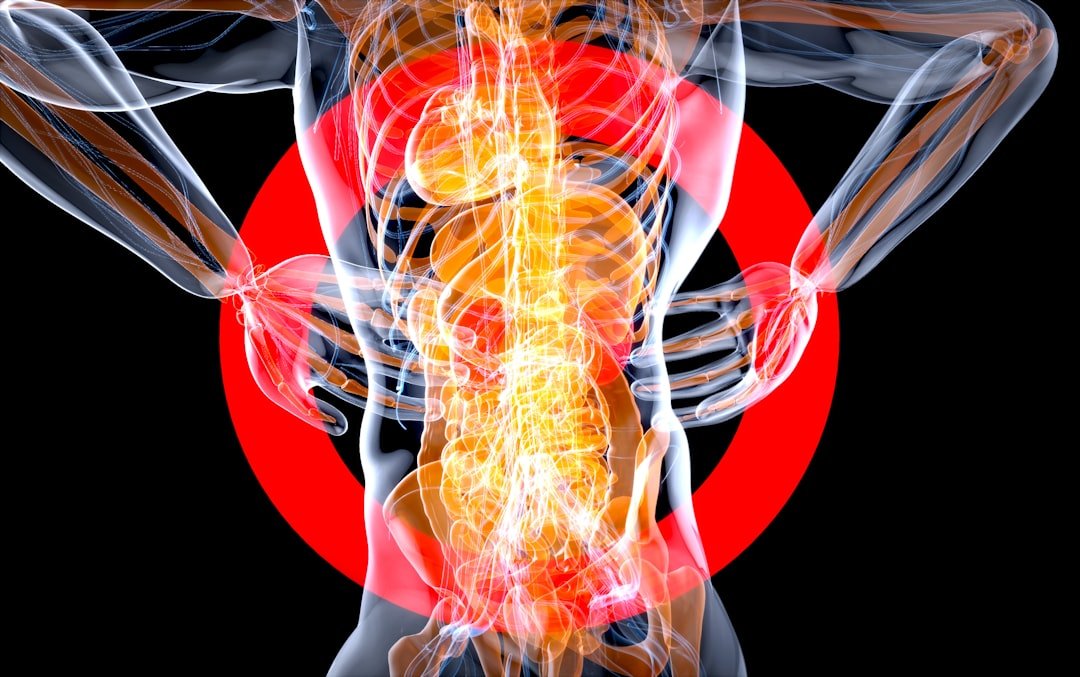
Welcome to JeffreyMooreSpine.com, your resource for understanding spine health. Today, we’re going to talk about a common issue that often begins as simple back pain but can escalate into something more concerning: sciatica. Many people experience back pain, but when that pain starts to travel down your leg, it might be a sign that a nerve is involved. Understanding the difference is key to getting the right help.
It’s common to experience back pain at some point in your life. This pain can stem from various sources, such as muscle strains, ligament sprains, or even just poor posture. Often, this type of back pain stays localized to your back and might feel like a dull ache, a sharp pang, or stiffness. However, when the pain starts to spread beyond your back, particularly down into your leg, it’s often a sign that a nerve might be irritated or compressed. This is the hallmark of sciatica.
What is Sciatica, Really?
Sciatica isn’t a condition itself; it’s a symptom of an underlying problem affecting the sciatic nerve. The sciatic nerve is the longest and thickest nerve in your body. It originates from several spinal nerves in your lower back, runs through your buttocks, and then branches down each leg, all the way to your feet. When something presses on or irritates one of these nerves in your lower back, it can cause pain, numbness, tingling, or weakness anywhere along the path of the sciatic nerve.
Why Back Pain Can Lead to Sciatica
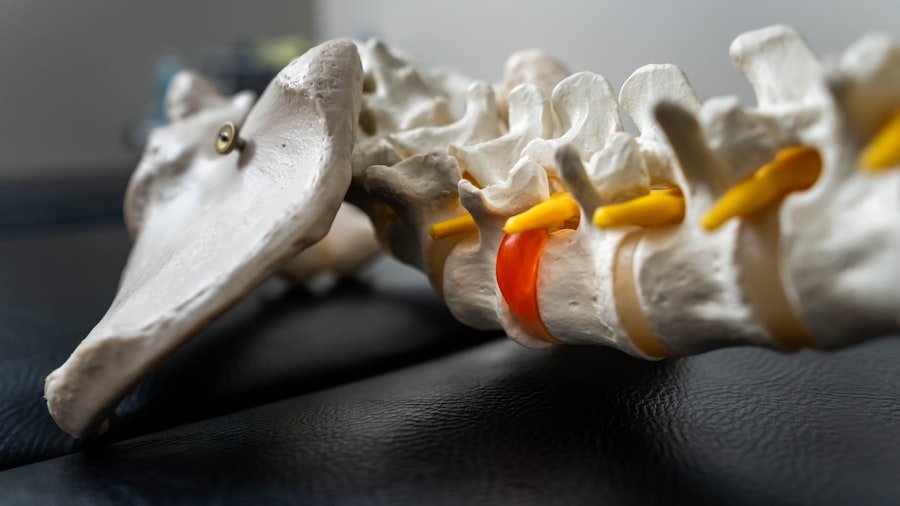
Think of your spine as a stack of building blocks, with soft discs acting as cushions between each block (vertebra). Nerves branch out from between these building blocks, extending to various parts of your body. If one of these discs bulges, herniates (ruptures), or if bone spurs grow, they can press on these delicate nerves. In the lower back (lumbar spine), this pressure on the nerve roots that form the sciatic nerve can lead to sciatica. It’s like a pinched hose; the water flow (nerve signals) gets affected downstream.
If you’re looking to deepen your understanding of back pain and its potential complications, you might find the article on spine studies particularly insightful. It discusses various research findings that shed light on spinal health and conditions like sciatica. For more information, you can read the article here: 6 Spine Studies to Know.
Recognizing the Red Flags: When to Suspect Sciatica
While general back pain can be annoying, certain symptoms should make you consider that sciatica might be at play. These are the “red flags” that suggest a nerve problem.
Characteristic Sciatica Symptoms
The pain of sciatica is often described in very specific ways, making it distinct from typical back pain.
- Shooting Pain Down a Leg: This is perhaps the most defining symptom. The pain isn’t just a dull ache; it often feels like an electric shock or a burning sensation that travels from your lower back, through your buttock, and down the back or side of your leg.
- Pain in One Leg or Buttock: Unlike general back pain that can be diffuse, sciatica typically affects only one side of your body. While it’s possible to have disc issues on both sides, true sciatic pain usually radiates down a single leg.
- Numbness or Tingling (“Pins and Needles”): Alongside the pain, you might experience a sensation of numbness or tingling, often described as “pins and needles,” in the affected leg, foot, or toes. This indicates that nerve signals are being disrupted.
- Muscle Weakness: In more severe cases, the nerve compression can lead to weakness in the muscles of the affected leg. You might notice difficulty lifting your foot (foot drop), walking on your toes, or even just feeling a general sense of leg “giving out.”
- Aggravated by Certain Actions: Sciatica pain often worsens with activities that increase pressure on the sciatic nerve, such as sitting for long periods, standing for a long time, coughing, sneezing, or straining during a bowel movement. Conversely, some people find relief by lying down or changing positions.
Location of Pain: A Diagnostic Clue
The exact path of the pain down your leg can sometimes offer clues about which specific nerve root in your lower back is being affected. For example:
- Pain predominating in the buttock and back of the thigh to the knee: This might suggest involvement of the S1 nerve root.
- Pain extending below the knee, often into the calf and foot: This could indicate involvement of the L5 nerve root.
- Pain radiating down the front or side of the thigh: While less common than classic sciatica, this could point to nerve irritation higher up, like the L4 nerve root, sometimes referred to as ‘femoral neuropathy’ but still a form of radiating leg pain.
Diagnosing Sciatica: What to Expect at the Doctor’s Office
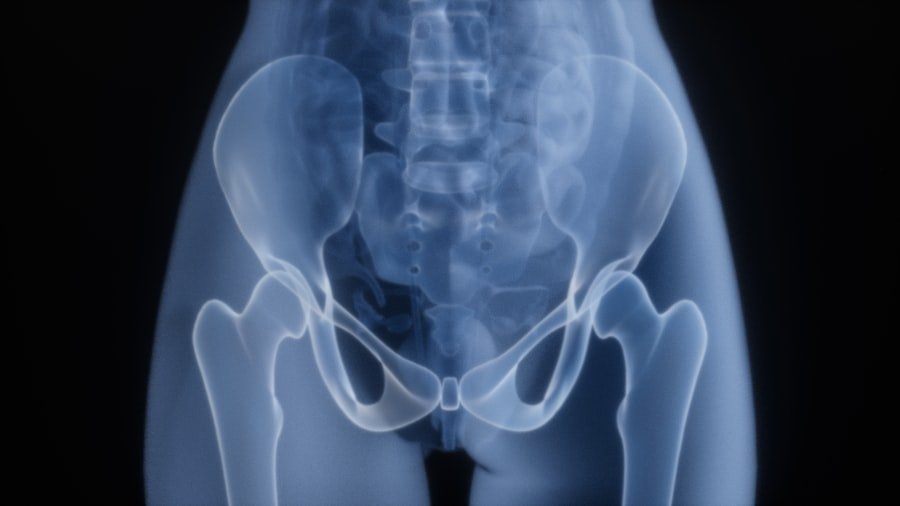
If you’re experiencing symptoms that suggest sciatica, seeking expert medical attention is crucial. Dr. Moore and his team are dedicated to accurately diagnosing your condition so we can create the most effective treatment plan.
Initial Consultation and Physical Exam
Your appointment will begin with a thorough discussion of your medical history and symptoms. Dr. Moore will ask you specific questions about:
- When the pain started and what activities aggravate or relieve it.
- The exact location and quality of the pain (sharp, burning, dull, tingling).
- Any associated numbness, weakness, or changes in bowel or bladder function.
- Your lifestyle, occupation, and any previous back injuries or treatments.
Following this discussion, a comprehensive physical exam will be performed. This typically includes:
- Assessment of your range of motion: How well you can bend, twist, and extend your spine.
- Palpation: Gently feeling your spine and surrounding muscles to identify areas of tenderness or spasm.
- Neurological exam: Checking your reflexes (like the knee jerk or ankle jerk), muscle strength in your legs and feet, and sensation (light touch, pinprick) to determine if nerve function is compromised.
- Straight Leg Raise Test: This is a classic test for sciatica. You lie on your back, and Dr. Moore will gently lift your straight leg. If this movement reproduces or worsens your leg pain, it’s often a strong indicator of sciatic nerve irritation due to a disc problem.
Imaging Studies: Peeking Inside Your Spine
While the physical exam can provide strong indications, imaging studies offer a clearer picture of what’s happening internally.
- X-rays: X-rays primarily show bones. They are helpful for identifying issues like fractures, spinal alignment problems (like scoliosis), or signs of arthritis (bone spurs, narrowing of disc spaces). While X-rays don’t show soft tissues like discs or nerves, they can rule out certain conditions and provide an initial assessment of the bony structure.
- MRI (Magnetic Resonance Imaging): This is often the gold standard for diagnosing sciatica. An MRI uses powerful magnets and radio waves to create detailed images of soft tissues, including discs, nerves, ligaments, and muscles. An MRI can clearly show:
- Herniated or Bulging Discs: This is the most common cause of sciatica, where the soft inner material of a disc pushes out and presses on a nerve.
- Spinal Stenosis: Narrowing of the spinal canal, which can put pressure on the spinal cord or nerves.
- Bone Spurs (Osteophytes): Bony growths that can develop as a result of arthritis and encroach on nerve roots.
- Tumors or Cysts: Though less common, MRI can detect these potential causes of nerve compression.
- Infections: MRI can also help identify inflammatory processes.
- CT Scan (Computed Tomography): Sometimes, if an MRI is not possible (e.g., due to metal implants or claustrophobia), a CT scan might be used. A CT scan provides detailed cross-sectional images, particularly good for bony structures, and can be helpful with specific types of spinal stenosis or fractures. A CT myelogram, which involves injecting dye into the spinal canal before a CT, can offer even more detail regarding nerve compression.
- Nerve Conduction Studies & Electromyography (NCS/EMG): These tests measure the electrical activity of nerves and muscles. They essentially show how well electrical signals are traveling along your nerves and responding in your muscles. While not always necessary for a sciatica diagnosis, they can be useful in distinguishing nerve root compression from other nerve conditions (like peripheral neuropathy) and for assessing the severity of nerve damage.
Treatment Paths: From Conservative Care to Advanced Solutions
Our philosophy at JeffreyMooreSpine.com is to exhaust all reasonable non-surgical options before considering surgery. Our goal is to alleviate your pain and restore your function with the least invasive approach possible.
Conservative Treatment Options
For most cases of sciatica, conservative treatments are effective. Patience and adherence to your treatment plan are key.
- Rest and Activity Modification: In the initial acute phase, a short period of rest (1-2 days) might be advised, but prolonged bed rest is generally discouraged. Instead, avoiding activities that aggravate your pain and finding comfortable positions are more helpful. Gradual return to normal activities is emphasized.
- Medications:
- Over-the-Counter (OTC) Pain Relievers: NSAIDs (non-steroidal anti-inflammatory drugs) like ibuprofen or naproxen can help reduce pain and inflammation. Acetaminophen (Tylenol) can help with pain.
- Muscle Relaxants: If muscle spasms are contributing to your pain, a short course of muscle relaxants might be prescribed.
- Oral Steroids: Corticosteroids can reduce inflammation around the nerve root, providing short-term pain relief.
- Neuropathic Pain Medications: For chronic nerve pain, medications like gabapentin or pregabalin can be effective.
- Physical Therapy: Physical therapy is a cornerstone of sciatica treatment. A skilled physical therapist will guide you through exercises designed to:
- Strengthen your core muscles (abdomen, back, and pelvis) to support your spine.
- Improve flexibility and range of motion.
- Correct posture and body mechanics to reduce strain on your back.
- Teach you stretches that can relieve pressure on the sciatic nerve.
- Implement modalities like heat, ice, ultrasound, or electrical stimulation to help with pain and muscle relaxation.
- Injections:
- Epidural Steroid Injections (ESIs): These involve injecting a corticosteroid (a powerful anti-inflammatory medication) and an anesthetic directly into the epidural space, which is the area surrounding the spinal nerves. ESIs can provide significant, though often temporary, pain relief by reducing inflammation around the irritated nerve. They can be very effective in breaking the cycle of pain and allowing you to participate more fully in physical therapy.
- Nerve Root Block: Similar to ESIs but targeting a specific nerve root, these injections can both diagnose and treat nerve-related pain.
When Surgery Becomes an Option
If conservative treatments fail to provide adequate relief after a reasonable period (typically 6-12 weeks), or if you experience progressive neurological deficits (such as increasing weakness or numbness, or loss of bowel/bladder control – a surgical emergency), Dr. Moore may discuss surgical options.
He utilizes advanced, minimally invasive techniques for precision and faster recovery.
- Minimally Invasive Spinal Surgery: This approach uses smaller incisions, specialized instruments, and often microscopic or endoscopic visualization. This leads to less muscle damage, reduced blood loss, smaller scars, and generally quicker recovery times compared to traditional open surgery.
- Microdiscectomy: This is the most common surgical procedure for sciatica caused by a herniated disc. It involves removing the portion of the herniated disc that is pressing on the nerve. Dr. Moore often employs ultrasonic decompressions during these procedures, which use high-frequency vibrations to precisely remove bone or disc material with minimal impact on surrounding healthy tissues.
- Laminectomy/Foraminotomy: If spinal stenosis (narrowing of the spinal canal or nerve root opening) is the cause, parts of the bone (lamina) or foramina (openings where nerves exit) are removed to create more space for the nerves. Dr. Moore is skilled in both cervical, thoracic, and lumbar decompression procedures.
- ProneTransPsoas (PTP) Approaches: This is an advanced, minimally invasive technique often used for lumbar spine fusion. By approaching the spine from the side while the patient is in a prone (face down) position, Dr. Moore can access the disc space without cutting through major back muscles, reducing trauma and improving recovery for appropriate cases.
- Spinal Fusion: In cases of severe instability, advanced degenerative conditions, or certain types of scoliosis, spinal fusion may be necessary. This procedure permanently joins two or more vertebrae together to stabilize the spine and prevent painful motion. Dr. Moore aims to use minimally invasive fusion techniques whenever appropriate.
- Artificial Disc Replacement: For select patients with specific types of disc degeneration in the neck (cervical spine) or lower back (lumbar spine), an artificial disc may be an alternative to fusion. This procedure replaces the damaged disc with a prosthetic one, preserving motion at that spinal segment.
- Scoliosis Correction: For significant spinal curvature that causes pain or progressive deformity, Dr. Moore has expertise in surgical correction techniques to stabilize the spine and improve alignment.
- Trauma Follow-Up and Reconstruction: In unfortunate cases of spinal injury due to trauma, Dr. Moore provides comprehensive follow-up care and surgical reconstruction when necessary to restore stability and function.
If you’re experiencing symptoms that suggest your back pain might be related to sciatica, it’s essential to understand the underlying issues that could be at play. A related article discusses the challenges faced by spine surgeons in diagnosing and treating various spine conditions, which can provide valuable insights into how nerve problems like sciatica are approached in clinical settings. For more information, you can read about these challenges in spine surgery by visiting this article. Understanding these complexities can help you better navigate your own treatment options and discussions with healthcare professionals.
Safety Red Flags: When to Seek Immediate Medical Attention
| Signs of Nerve Problem | Description |
|---|---|
| Pain Radiating Down the Leg | Sharp, shooting pain that travels from the lower back down the back of one leg |
| Numbness or Tingling | Loss of sensation or a pins-and-needles sensation in the leg or foot |
| Weakened Muscles | Difficulty lifting the foot or toes, or difficulty standing on the toes |
| Worsening Symptoms | Pain that gets worse with sitting, coughing, or sneezing |
| Loss of Bladder or Bowel Control | Rare but serious symptom that requires immediate medical attention |
While many cases of sciatica can be managed with conservative care, certain symptoms require immediate medical evaluation. Do not delay seeing a doctor or going to the emergency room if you experience:
- Sudden onset of severe weakness or numbness in one or both legs.
- Loss of bowel or bladder control (incontinence). This is a critical sign of “Cauda Equina Syndrome,” a rare but severe compression of the nerve bundle at the end of the spinal cord, requiring urgent surgical intervention.
- Pain that is rapidly worsening or becoming unmanageable.
- Fever, chills, or unexplained weight loss accompanying your back and leg pain, as this could indicate an infection or other serious underlying condition.
- Pain that follows a recent severe injury or trauma.
If you experience any of these symptoms, please seek prompt medical attention.
Frequently Asked Questions About Sciatica
Q: Can sciatica go away on its own?
A: Yes, many cases of sciatica resolve on their own with conservative management within a few weeks to a few months. However, seeking evaluation helps ensure the right diagnosis and management, and prevents worsening symptoms.
Q: Is walking good for sciatica?
A: Gentle walking can be beneficial for sciatica once the acute pain has subsided, as it promotes blood flow and can help strengthen core muscles. However, prolonged walking or activities that aggravate your pain should be avoided. Listen to your body.
Q: What’s the best sleeping position for sciatica?
A: There’s no single “best” position, as it varies for individuals. Many find relief sleeping on their side with a pillow between their knees, or on their back with a pillow under their knees to maintain the natural curve of the spine. The goal is to keep the spine in a neutral alignment.
Q: Can stress cause sciatica?
A: While stress doesn’t directly cause a herniated disc, it can heighten your perception of pain and lead to muscle tension, which might exacerbate existing sciatica symptoms or contribute to general lower back pain.
Q: How long does sciatica typically last?
A: For most people, sciatica improves within 4 to 6 weeks with proper care. However, some cases can become chronic and may last for several months or even longer, especially if the underlying cause is not addressed.
Take the Next Step Towards Relief
Don’t let back pain and sciatica control your life. Understanding your symptoms is the first step toward finding relief. Dr. Jeffrey A. Moore, MD, brings calm, confident, and compassionate care to the OKC metro (Norman, Edmond, Yukon) and is dedicated to helping you navigate your path to recovery.
To learn more or schedule your consultation, please call us today at (405) 645-5475 or book online through our website, JeffreyMooreSpine.com.
We also offer a FREE MRI review and second opinion, because empowering you with knowledge is our priority.
FAQs
What is sciatica?
Sciatica is a condition characterized by pain that radiates along the path of the sciatic nerve, which branches from your lower back through your hips and buttocks and down each leg.
What are the signs that back pain may be a nerve problem?
Signs that back pain may be a nerve problem include pain that radiates down the leg, numbness or tingling in the leg or foot, weakness in the leg or foot, and difficulty moving the leg or foot.
What are the common causes of sciatica?
Common causes of sciatica include a herniated disk, bone spurs on the spine, spinal stenosis, or a tumor pressing on the sciatic nerve.
How is sciatica diagnosed?
Sciatica is typically diagnosed through a physical examination, medical history, and imaging tests such as X-rays, MRI, or CT scans to identify the cause of the nerve compression.
What are the treatment options for sciatica?
Treatment options for sciatica may include over-the-counter pain medications, physical therapy, steroid injections, and in severe cases, surgery to relieve the pressure on the affected nerve.