

Back pain can be a common and frustrating experience. Most of us will deal with it at some point. Often, it’s just a temporary ache that goes away with rest or simple home care. But what happens when back pain is joined by other troubling symptoms, like leg weakness or numbness? These additional signs can be signals from your body that something more serious is going on.
When your back isn’t just aching but is also affecting how your legs feel or work, it’s often a sign that the nerves in your spine might be involved. Your spinal cord and the nerves that branch off it are like the communication superhighway between your brain and the rest of your body, including your legs. If something is pressing on these nerves, disrupting their signals, you can start to feel things like weakness, numbness, or even a pins-and-needles sensation in your legs.
This isn’t something to ignore, hoping it will just disappear. While not every instance of back pain with leg symptoms means you need surgery, it does mean you should pay closer attention and consider seeking professional advice. A spine specialist, like an orthopedic spine surgeon, has specific training and expertise in diagnosing and treating conditions that affect your spine and nerves. They can help figure out exactly what’s causing your symptoms and guide you toward the right treatment plan.
In this article, we’ll explore the connection between back pain, leg weakness, and numbness. We’ll talk about common reasons these symptoms happen together, what “red flags” to watch out for, and how a spine specialist can help you get back to feeling better and moving more freely.
Your spine is a complex and amazing structure. It’s made up of many small bones (vertebrae) stacked on top of each other, cushioning discs between them, and a network of ligaments, muscles, and nerves. Inside this bony column runs your spinal cord, which is like the main cable for your nervous system. Nerves branch off the spinal cord at different levels and travel to various parts of your body, including your arms, chest, and — critically for this discussion — your legs.
When something goes wrong in your lower back (lumbar spine), it can directly affect these nerves that are heading down to your legs. That’s why back pain often isn’t just confined to your back; it can “radiate” or travel into your buttocks, thighs, calves, and even your feet. This radiating pain is often a tell-tale sign that a nerve is being irritated or compressed.
The Role of Nerves in Your Legs
Each nerve that leaves your spinal cord has a specific job. Some nerves carry signals for movement (motor nerves), telling your muscles when to contract so you can walk, lift, or even wiggle your toes. Other nerves carry signals for sensation (sensory nerves), letting your brain know if something is hot, cold, sharp, or dull, and whether you’re touching something.
When a nerve is pressured or damaged, both these types of signals can be disrupted. This disruption leads to the symptoms we’re discussing:
- Weakness: If the motor nerves are affected, the muscles they control won’t get clear signals from your brain. This can make them feel weak, making it hard to lift your foot, stand on your toes, or even walk steadily.
- Numbness: If the sensory nerves are affected, the signals about touch, temperature, and pressure won’t reach your brain properly. This can lead to a feeling of numbness, like your leg or foot has “fallen asleep” and won’t wake up, or a dull, diminished sensation.
- Tingling/Pins and Needles: Sometimes, before full numbness sets in, you might feel a tingling sensation, often described as “pins and needles.” This is another sign that the nerve’s normal signaling is being interrupted.
Common Causes of Nerve Compression
Several conditions can lead to pressure on the nerves in your lower back, causing these combined symptoms:
- Herniated Disc: One of the most common culprits. The discs between your vertebrae act as shock absorbers. If one of these discs ruptures or “herniates,” the soft inner material can push out and press on a nearby nerve root.
- Spinal Stenosis: This condition involves a narrowing of the spaces within your spine, which can put pressure on your spinal cord and the nerves that travel through it. It often develops gradually as you age.
- Sciatica: This isn’t a condition itself, but rather a symptom. It refers to pain that radiates along the path of the sciatic nerve, which branches from your lower back through your hips and buttocks and down each leg. It’s usually caused by a herniated disc or spinal stenosis pressing on the sciatic nerve.
- Spondylolisthesis: This occurs when one vertebra slips forward over the one below it, which can pinch nerves.
- Arthritis/Bone Spurs: Osteoarthritis can cause bone spurs (osteophytes) to grow on your vertebrae, which can intrude into the spinal canal or nerve exits, pressing on nerves.
Understanding these connections is the first step toward knowing when your symptoms warrant a closer look by a specialist.
If you’re experiencing back pain, leg weakness, and numbness, it may be time to consult a spine specialist to determine the underlying cause of your symptoms. Understanding the potential need for surgical intervention can be crucial for your recovery. For more information on the financial aspects of spine surgery, you can read the article on the average cost of the four most common spine surgeries at this link.
When Back Pain with Leg Symptoms Becomes a Red Flag
Typically, if you have mild back pain that comes and goes, you might try rest, heat or ice, and over-the-counter pain relievers. This is often enough to manage the problem. However, when back pain is accompanied by leg weakness or numbness, it’s a stronger signal that something more significant might be happening with your nervous system. These additional symptoms suggest potential nerve compression, and depending on their severity and other factors, they can be considered “red flags” that indicate the need for prompt medical attention.
Specific Red Flags to Watch For
While a little numbness or weakness that quickly passes might not be an emergency, there are certain combinations and severities of symptoms that should definitely trigger a call to a spine specialist, or even an urgent care visit.
- Sudden or Severe Weakness in Your Legs: If you suddenly find it difficult to lift your foot (foot drop), walk without dragging your leg, or stand up from a chair, this is a serious sign. Severe weakness means the nerve controlling those muscles is significantly compromised and could be at risk of permanent damage if not addressed.
- Numbness that is Spreading or Worsening: If the area of numbness in your leg or foot is getting larger, or the sensation is becoming more profound (you can’t feel anything at all), this indicates increasing nerve compression.
- Bilateral Symptoms (Both Legs Affected): If weakness, numbness, or pain starts to affect both legs, it’s a more concerning sign. This suggests pressure on the spinal cord itself, or on multiple nerve roots, rather than just one. This bilateral involvement can be a symptom of conditions like severe spinal stenosis.
- Loss of Bowel or Bladder Control (Incontinence) or Difficulty Urinating: This is a critical medical emergency. If you experience new onset difficulty controlling your urine or bowel movements, or find it hard to start urinating despite feeling the urge, you need immediate medical attention. This can be a sign of Cauda Equina Syndrome, a rare but severe condition where the nerves at the very bottom of the spinal cord are compressed, which can lead to permanent paralysis or dysfunction if not treated urgently.
- Saddle Anesthesia: This refers to numbness in the area that would be in contact with a saddle when riding a horse – your inner thighs, buttocks, and perineum (the area between your genitals and anus). Like bladder/bowel issues, this is another alarming symptom of Cauda Equina Syndrome and requires emergency care.
- Fever, Chills, or Unexplained Weight Loss with Back Pain: While not directly related to nerve compression, these symptoms accompanying back pain can indicate a more serious underlying condition like an infection (e.g., spinal osteomyelitis or discitis) or even a spinal tumor.
- Back Pain Following Trauma or Injury: If your back pain and leg symptoms started after a fall, car accident, or other injury, it’s important to get checked out, as there could be a fracture or other structural damage.
- Pain that is Unrelieved by Rest or Worse at Night: Most “mechanical” back pain improves with rest. If your pain is constant, doesn’t get better regardless of position, or is particularly severe at night, it warrants investigation.
- Difficulty Walking or Maintaining Balance: If your gait (how you walk) changes, you’re stumbling, or you have trouble with balance that you didn’t have before, it could be a sign of nerve involvement.
Why Red Flags Matter
These red flag symptoms are important because they can indicate conditions that require timely diagnosis and treatment to prevent long-term damage or disability. Don’t try to self-diagnose or wait it out if you experience any of these. Instead, contact a spine specialist or seek urgent medical care. Early intervention can make a significant difference in your outcome.
The Diagnostic Process: How a Spine Specialist Finds the Cause
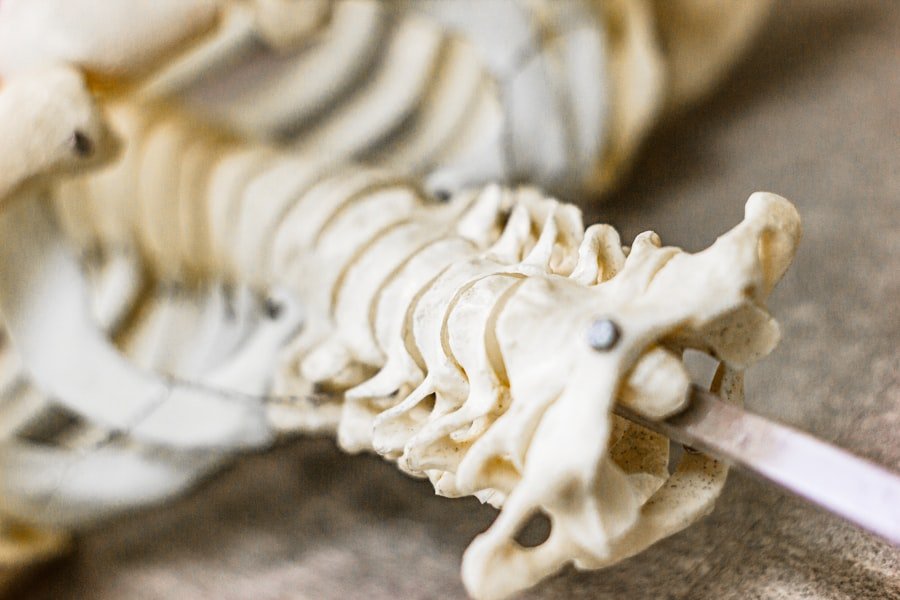
When you come to Dr. Moore’s office with back pain, leg weakness, and numbness, the goal is to pinpoint the exact cause of your symptoms. This isn’t always straightforward, as many conditions can present similarly. The diagnostic process is like being a detective, gathering clues through your story, a physical exam, and sometimes, advanced imaging tests.
Your Story: The Medical History
The first and often most crucial step is a thorough discussion about your symptoms. Dr. Moore will ask you many questions to understand your unique experience:
- When did your symptoms start? Was there a specific injury or did they come on gradually?
- Where exactly do you feel the pain, weakness, or numbness? Does it radiate?
- How would you describe the pain? (e.g., sharp, dull, aching, burning, shooting)
- What makes your symptoms better or worse? (e.g., sitting, standing, walking, lying down)
- Have you noticed any changes in your bowel or bladder control?
- Have you had any fevers, chills, or unexplained weight loss?
- What treatments have you tried already, and did they help?
- Do you have any other medical conditions or take any medications?
Your answers provide critical insights into the potential source of your problem. For example, pain that worsens with walking and improves with sitting might suggest spinal stenosis, while pain that gets worse with coughing or sneezing might point to a herniated disc.
The Physical Exam
Next, Dr. Moore will perform a comprehensive physical examination. This is where he assesses how your body is functioning and looks for objective signs of nerve irritation or damage.
- Palpation: Gently feeling your spine and surrounding muscles to identify areas of tenderness or spasm.
- Range of Motion: Asking you to bend, twist, and extend your back to see if certain movements provoke or relieve your symptoms and to check flexibility.
- Neurological Exam: This is a vital part when leg weakness and numbness are present.
- Strength Testing: Checking the strength of specific leg muscles (e.g., by asking you to push against resistance with your foot, lift your toes, or stand on heels). This helps identify which nerve roots might be affected.
- Sensation Testing: Lightly touching your legs and feet with a cotton swab or pin to see if you can feel it, and noting any areas of decreased sensation or numbness.
- Reflex Testing: Tapping on your knee and ankle to check your reflexes. Abnormal reflexes can indicate nerve damage.
- Gait Analysis: Observing how you walk to spot any imbalances, dragging of the foot, or other changes in your movement.
Imaging Studies: Looking Inside
In many cases, if conservative treatments aren’t helping, or if your symptoms are severe or concerning (such as with red flags), imaging studies are necessary to visualize the structures in your spine.
- X-rays: Provide basic images of your bones. They can show disc space narrowing, bone spurs, fractures, or instability (like spondylolisthesis). However, X-rays do not show soft tissues like discs or nerves.
- MRI (Magnetic Resonance Imaging): This is often the most valuable imaging test for your spine if nerve compression is suspected. An MRI uses powerful magnets and radio waves to create detailed images of soft tissues, including discs, nerves, spinal cord, and ligaments. It can clearly show herniated discs, spinal stenosis, tumors, or infections.
- CT (Computed Tomography) Scan: A CT scan uses X-rays from multiple angles to create cross-sectional images. It’s excellent for visualizing bone structures in detail and can show bone spurs, fractures, or the overall size of the spinal canal. Sometimes, it’s used if an MRI is not possible or as a follow-up to an MRI.
Nerve Tests (Electromyography – EMG and Nerve Conduction Studies – NCS)
In some situations, if the diagnosis is still unclear or to better understand the extent of nerve damage, specialized nerve tests might be ordered.
- EMG (Electromyography): Measures the electrical activity of muscles at rest and during contraction. It can help assess nerve-to-muscle communication and identify if there is active nerve damage.
- NCS (Nerve Conduction Studies): Measures how quickly electrical signals travel along a nerve. This can help identify damaged nerves and how severe the damage is.
By combining all these pieces of information – your detailed history, a thorough physical exam, and often precise imaging studies – Dr. Moore can accurately diagnose the cause of your back pain, leg weakness, and numbness. This precise diagnosis is essential for creating an effective treatment plan tailored specifically to you.
Treatment Options: From Conservative Care to Advanced Surgery
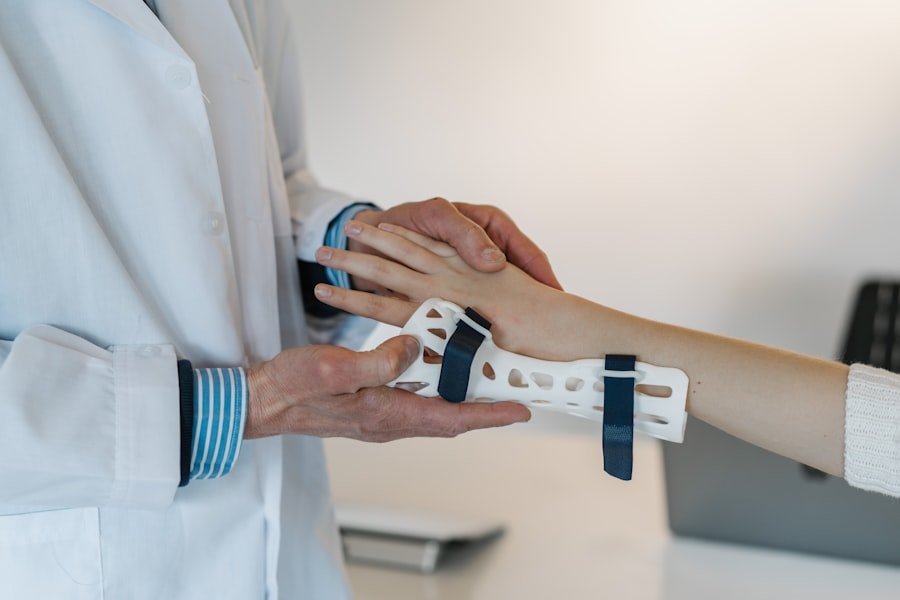
Once a clear diagnosis is made, the next step is to develop a treatment plan. It’s important to understand that most back and leg issues, even those involving nerve compression, do not immediately require surgery. Dr. Moore always starts with the most conservative and least invasive options first, aiming to help you find relief with approaches that avoid an operation. Surgery is considered when conservative treatments have not been successful, or when the symptoms are severe, progressive, or signal a critical condition that demands immediate intervention.
Conservative Treatment Options
These are the first line of defense for conditions causing back pain, leg weakness, and numbness:
- Rest (Short-Term): Brief periods of rest (1-2 days) can help calm acute pain, but prolonged bed rest is generally not recommended as it can weaken muscles and stiffen the spine. Staying active within pain limits is often better.
- Medications:
- Over-the-Counter Pain Relievers: NSAIDs (non-steroidal anti-inflammatory drugs) like ibuprofen or naproxen can help reduce pain and inflammation. Acetaminophen (Tylenol) can help with pain.
- Muscle Relaxants: Prescribed for muscle spasms that often accompany back pain.
- Neuropathic Pain Medications: Medications like gabapentin or pregabalin can be prescribed to help manage nerve pain (neuropathic pain), which often presents as burning, tingling, or numbness.
- Oral Steroids: A short course of oral corticosteroids can be prescribed to aggressively reduce inflammation around an irritated nerve.
- Physical Therapy (PT): This is a cornerstone of conservative treatment. A physical therapist will work with you on:
- Exercises: Strengthening core muscles (abdomen and back) to better support your spine, improving flexibility, and increasing range of motion.
- Stretching: To relieve muscle tension and improve mobility.
- Posture Correction: Learning proper body mechanics for daily activities to reduce stress on your spine.
- Modalities: Heat, ice, ultrasound, or electrical stimulation to help manage pain and inflammation.
- Injections: When oral medications and physical therapy aren’t providing enough relief, injections can be a powerful tool for pain management.
- Epidural Steroid Injections: A corticosteroid and local anesthetic are injected into the epidural space around the spinal cord and nerves. This reduces inflammation and can provide significant, though often temporary, pain relief, helping you participate more effectively in physical therapy.
- Nerve Block Injections: Local anesthetic is injected directly onto a specific nerve or nerve root to block pain signals.
- Facet Joint Injections: If pain is coming from the small joints in your spine (facet joints), an injection of anesthetic and steroid directly into these joints can help diagnose and relieve pain.
Considering Advanced Care & Surgical Options
If non-surgical treatments have been tried consistently for an appropriate amount of time (typically 6-12 weeks or longer, depending on the condition and severity), and you’re still experiencing significant pain, weakness, or progressive numbness, then surgical options might be discussed. Surgery usually aims to relieve pressure on compressed nerves, stabilize the spine, or replace a damaged structure. Dr. Moore specializes in advanced spine surgery and always seeks the least invasive, most effective approach.
- Minimally Invasive Spine Surgery (MISS): Many spine surgeries can now be performed using smaller incisions, specialized instruments, and imaging guidance. This often leads to less muscle damage, less blood loss, less post-operative pain, and a faster recovery compared to traditional open surgery.
- Decompression Surgery: The primary goal of most surgeries for nerve compression is to “decompress” or relieve pressure on the affected nerve.
- Laminectomy/Laminotomy: Part (laminotomy) or all (laminectomy) of the lamina (the bony arch on the back of the vertebra) is removed to create more space for the spinal cord and nerves.
- Microdiscectomy: For a herniated disc, this is a minimally invasive procedure where the herniated portion of the disc that is pressing on the nerve is carefully removed.
- Foraminotomy: Enlarging the opening (foramen) where a nerve root exits the spinal canal, to relieve pressure.
- Spinal Fusion: If instability is present, or if significant decompression is performed that might lead to instability, a fusion might be recommended. This procedure permanently joins two or more vertebrae together, eliminating motion between them. This is often done to stabilize the spine and reduce pain. Modern techniques include various types of fusion (e.g., TLIF, PLIF, ALIF) often performed with instrumentation like rods and screws.
- Artificial Disc Replacement: For certain patients with a single degenerated disc in the neck (ACDF – Anterior Cervical Discectomy and Fusion with Disc Replacement) or sometimes in the lower back, an artificial disc can be implanted after the damaged disc is removed. The goal is to maintain motion at that spinal segment, unlike fusion which eliminates it. This is considered for very specific indications.
- Scoliosis Correction: For adult patients with progressive scoliosis (abnormal curvature of the spine) causing nerve compression and pain, surgical correction may be necessary to correct the curve and stabilize the spine.
- Advanced Technologies in Surgery:
- PTP (Posterior Tendon Preservation) Surgery: A specialized technique aimed at preserving important muscle and tendon attachments during spinal surgery, potentially aiding in quicker recovery and better outcomes. Dr. Moore is skilled in this approach.
- Ultrasonic Spine Care: The use of ultrasonic tools allows for very precise bone removal during decompression surgeries, minimizing damage to surrounding soft tissues and nerves.
- Computer-Guided Navigation: Similar to GPS for your spine, this advanced technology provides real-time, 3D images during surgery, guiding Dr. Moore with extreme precision, especially when placing screws or instruments.
The decision for surgery is always a shared one between you and Dr. Moore, after careful consideration of your diagnosis, symptoms, lifestyle, and goals. The aim is always to restore function, reduce pain, and improve your overall quality of life.
If you are experiencing back pain, leg weakness, or numbness, it is crucial to understand when to seek the expertise of a spine specialist. These symptoms can indicate underlying issues that may require professional evaluation and treatment. For further insights into related conditions, you might find the article on BMI distributions in spine patients particularly informative, as it explores how body mass index can impact spinal health. You can read more about it here.
Living with Back Pain, Weakness, and Numbness: What You Can Do
| Symptom | Severity | When to See a Spine Specialist |
|---|---|---|
| Back Pain | Mild to Moderate | If it persists for more than 6 weeks |
| Leg Weakness | Interferes with daily activities | Immediately |
| Numbness | Progressive or severe | As soon as possible |
Beyond medical treatments, there’s a lot you can do to manage and prevent flare-ups of back pain with leg symptoms. Adopting healthy habits and making certain lifestyle adjustments can significantly improve your quality of life.
Daily Habits for Spine Health
- Stay Active (Within Limits): Gentle, regular exercise is often the best medicine for back pain. Activities like walking, swimming, cycling, or yoga can strengthen your core, improve flexibility, and boost circulation. Always listen to your body and avoid activities that worsen your symptoms.
- Maintain a Healthy Weight: Excess weight, particularly around the abdomen, puts added strain on your lower back. Losing even a few pounds can significantly reduce this pressure.
- Practice Good Posture: Be mindful of your posture whether you’re sitting, standing, or lifting.
- Sitting: Sit tall with your shoulders back, feet flat on the floor, and a cushion or rolled towel supporting the curve of your lower back. Avoid slumping.
- Standing: Keep your weight balanced evenly on both feet. If standing for long periods, shift your weight or use a footrest.
- Lifting: Bend your knees, keep your back straight, and lift with your legs, not your back. Hold objects close to your body.
- Ergonomics at Work: If you have a desk job, set up your workstation to be spine-friendly. Ensure your monitor is at eye level, your chair provides good lumbar support, and your keyboard and mouse are within easy reach. Take frequent breaks to stand, stretch, and move around.
- Proper Footwear: Wear comfortable, supportive shoes. High heels can alter your spinal alignment and put extra stress on your lower back.
- Quit Smoking: Smoking reduces blood flow to the discs in your spine, which can make them degenerate faster and hinder healing.
Managing Pain and Preventing Flare-Ups
- Heat and Cold Therapy: Apply ice packs for acute pain and inflammation, and heat packs for muscle stiffness and chronic aches. Experiment to see which works best for you.
- Mind-Body Techniques: Stress can exacerbate pain. Techniques like meditation, deep breathing exercises, or mindfulness can help you manage pain perception and reduce tension.
- Regular Stretching: Incorporate gentle stretches into your daily routine to keep your back and leg muscles flexible. A physical therapist can guide you on safe and effective stretches.
- Listen to Your Body: Pay attention to what triggers your pain or makes it worse, and try to modify those activities. Don’t push through severe pain.
- Stay Hydrated: Water is essential for overall health, including the health of your spinal discs.
When to Follow Up with Dr. Moore
Even after treatment, regular check-ups or follow-up appointments may be necessary, especially if you’ve had surgery or are managing a chronic condition. It’s also important to contact Dr. Moore’s office if:
- Your symptoms suddenly worsen.
- You develop new or alarming symptoms (especially any red flag symptoms mentioned earlier).
- Your pain returns after a period of relief.
- You have questions or concerns about your ongoing care or recovery.
By actively participating in your care and adopting a proactive approach to spine health, you can significantly improve your resilience against back pain with leg weakness and numbness. Dr. Moore and his team are here to support you every step of the way, providing expert guidance and compassionate care.
FAQs About Back Pain, Leg Weakness, and Numbness
It’s natural to have many questions when you’re dealing with challenging back and leg symptoms. Here are some commonly asked questions that may help clarify your understanding.
Q: Is numbness in my foot always a sign of a serious problem?
A: Not always, but it should always be evaluated, especially if it’s new, persistent, or accompanied by weakness or increasing pain. Temporary numbness can sometimes occur from poor posture or sitting positions. However, if it’s consistent, spreads, or affects your ability to walk or feel things normally, it’s a strong indicator of nerve compression in your spine or leg, and that needs a specialist’s opinion.
Q: Can a herniated disc heal on its own?
A: In many cases, yes. The body has an amazing capacity to heal. Many herniated discs will spontaneously shrink over time, and the inflammation around the nerve can resolve. Conservative treatments like physical therapy and anti-inflammatory medications help facilitate this healing process. However, if the herniation is large, causing significant nerve compression, or if symptoms like severe weakness or bowel/bladder issues are present, it may not heal on its own and might require intervention.
Q: What is the difference between an MRI and an X-ray for back pain?
A: X-rays are excellent for looking at bones and can reveal issues like fractures, bone spurs, and the alignment of your spine. However, they don’t show soft tissues like discs, nerves, or ligaments. An MRI, on the other hand, provides very detailed images of these soft tissues. It’s the best tool for seeing herniated discs, spinal stenosis (narrowing of the canals), nerve compression, tumors, or infections. Often, both types of imaging are used together for a complete picture.
Q: If I have numbness or weakness, does that mean I need surgery?
A: Not necessarily. While numbness and weakness are “red flags” that point to nerve involvement, surgery is usually the last resort. Dr. Moore always begins with conservative treatments such as physical therapy, medications, and injections. Surgery is typically considered only if these options don’t provide sufficient relief, or if your symptoms are severe, worsening, or indicate a critical condition needing immediate intervention (like Cauda Equina Syndrome).
Q: What should I do first if I start experiencing back pain with leg weakness or numbness?
A: If the symptoms are mild and just started, you can try rest, ice/heat, and over-the-counter pain relievers for a day or two. However, if the symptoms are severe, sudden, worsening, or if you experience any of the “red flag” symptoms (like severe weakness, loss of bowel/bladder control, or numbness in the “saddle area”), you should contact Dr. Moore’s office immediately or seek urgent medical care. Otherwise, scheduling an appointment with a spine specialist like Dr. Moore for a proper diagnosis is the best next step.
Q: How long does recovery take after spine surgery?
A: Recovery time varies greatly depending on the type of surgery, your overall health, and how well you follow post-operative instructions, including physical therapy. Minimally invasive procedures often have faster recovery times (weeks to a few months) compared to more extensive surgeries like fusions (several months to a year for full recovery). Dr. Moore will provide you with a personalized recovery plan and expectations.
Q: Can physical therapy help with leg weakness from nerve compression?
A: Absolutely. Physical therapy is crucial, both before and sometimes after surgery. A physical therapist can teach you exercises to strengthen the muscles affected by weakness, improve nerve gliding, increase flexibility, and correct posture and movement patterns that might be contributing to your compression.
Q: What is “sciatica”?
A: Sciatica is a term that describes a set of symptoms, not a diagnosis itself. It refers to pain that radiates along the path of the sciatic nerve, which branches from your lower back through your hips and buttocks and down each leg. It typically affects only one side of your body. Sciatica is most commonly caused by a herniated disc or spinal stenosis pressing on the sciatic nerve.
These FAQs provide general information. Always consult with Dr. Jeffrey Moore or his team for personalized medical advice regarding your specific condition.
When back pain, leg weakness, and numbness team up, it’s your body’s way of telling you that something significant is happening with your spine and nerves. While it’s normal to feel concerned, the good news is that with the right diagnosis and treatment, most people can find relief and get back to living life more fully.
Dr. Jeffrey Moore is a fellowship-trained orthopedic spine surgeon dedicated to providing clear, compassionate, and confident care for patients in Oklahoma City and surrounding areas, including Edmond, Norman, Yukon, Moore, Mustang, and Midwest City. He understands the profound impact these symptoms can have on your daily life, and his goal is to help you understand your condition and find the most effective path to recovery.
Whether you’re exploring conservative care, seeking a second opinion on previous findings like an MRI or X-ray, or considering advanced surgical options like minimally invasive spine surgery, Dr. Moore and his team are ready to guide you. His expertise spans a wide range of conditions, from herniated discs and spinal stenosis to complex scoliosis correction, always prioritizing your safety and well-being.
Don’t let unexplained pain, numbness, or weakness hold you back any longer. If you’re experiencing these symptoms, especially any of the red flags we’ve discussed, it’s time to seek expert evaluation.
Take the first step toward relief.
Call (405) 645-5475 today to schedule your consultation, book online, or request a FREE MRI review.
FAQs
What are the common symptoms of back pain, leg weakness, and numbness?
Common symptoms of back pain, leg weakness, and numbness include persistent pain in the lower back, shooting pain down the legs, weakness in the legs, and numbness or tingling in the legs or feet.
What are the potential causes of back pain, leg weakness, and numbness?
These symptoms can be caused by a variety of conditions, including herniated discs, spinal stenosis, sciatica, and other spinal disorders. In some cases, these symptoms may also be related to underlying medical conditions such as diabetes or peripheral neuropathy.
When should I see a spine specialist for back pain, leg weakness, and numbness?
It is important to see a spine specialist if you experience persistent or severe back pain, leg weakness, or numbness that does not improve with rest or over-the-counter pain medication. Additionally, if these symptoms are accompanied by loss of bowel or bladder control, it is crucial to seek immediate medical attention.
What can I expect during a visit to a spine specialist?
During a visit to a spine specialist, you can expect a thorough physical examination, including a review of your medical history and a discussion of your symptoms. The specialist may also order diagnostic tests such as X-rays, MRI, or CT scans to further evaluate the condition of your spine.
What are the treatment options for back pain, leg weakness, and numbness?
Treatment options for these symptoms may include physical therapy, medication, spinal injections, or in some cases, surgery. The appropriate treatment will depend on the underlying cause of the symptoms and the individual patient’s medical history and overall health.