

Understanding Those Strange Sensations in Your Feet
Many people experience burning, tingling, or numbness in their feet at some point. It can be a strange, sometimes unsettling sensation. For some, it might be a temporary annoyance, like when your foot “falls asleep” after sitting in an awkward position. But for others, these feelings can be persistent, painful, and even alarming. When these symptoms stick around or get worse, it’s natural to wonder what’s going on. While many things can cause these sensations, one common and often overlooked culprit is a problem in your spine.
At Jeffrey Moore, MD Orthopedic Spine Surgery, we see many patients in Oklahoma City, Edmond, Norman, Yukon, Moore, Mustang, and Midwest City who are experiencing these very symptoms. Dr. Moore, a fellowship-trained orthopedic spine surgeon, understands that these feelings in your feet can significantly impact your daily life. Our goal is to calmly and clearly help you understand why this might be happening, what it means, and how we can help you find relief.
If you’re experiencing burning, tingling, or numbness in your feet, it may be worth exploring the connection to your spine, as highlighted in the article “How 3D Spine Implants Are Shaking Up the Future of Surgery.” This informative piece discusses innovative advancements in spinal surgery that could potentially alleviate nerve-related symptoms, including those affecting the extremities. To learn more about how these cutting-edge technologies are transforming treatment options, you can read the article here: How 3D Spine Implants Are Shaking Up the Future of Surgery.
The Connection Between Your Spine and Your Feet

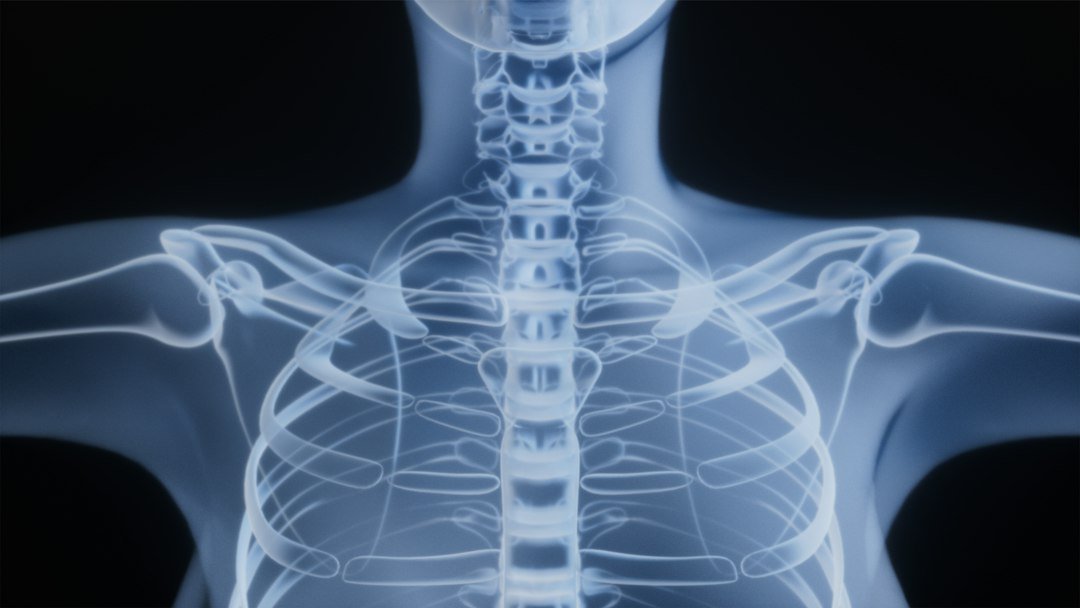
It might seem odd that a problem in your back could cause symptoms in your feet. But once you understand how your nervous system works, it makes perfect sense. Your spine is like the superhighway for your nerves. It protects your spinal cord, which is the main pathway for messages traveling between your brain and the rest of your body.
How Nerves Work
Think of your nerves as electrical wires. They carry signals that allow you to feel touch, temperature, and pain, and they tell your muscles when to move. Nerves branch out from your spinal cord, exiting through small openings between your vertebrae (the bones that make up your spine). These nerves then travel down your legs and into your feet.
When Nerves Get Pinched or Irritated
If something in your spine presses on or irritates one of these nerves, it can disrupt the signals. This disruption can cause a variety of symptoms, including the burning, tingling, or numbness you might feel in your feet. The location and type of symptoms often depend on which specific nerve is affected and where along its path the problem lies.
Your lower back (lumbar spine) is particularly important because the nerves that go to your legs and feet originate here. Problems in your neck (cervical spine) can cause symptoms in your arms and hands, while issues in your mid-back (thoracic spine) are less commonly associated with foot symptoms, though they can happen.
Common Spine Conditions That Affect Your Feet

Several spinal conditions can lead to burning, tingling, or numbness in your feet. Understanding these conditions can help you recognize potential causes for your symptoms.
Sciatica
Sciatica is one of the most well-known causes of leg and foot symptoms. It’s not a condition itself, but rather a description of symptoms caused by the irritation or compression of the sciatic nerve. This large nerve branches from your lower back, runs through your hips and buttocks, and then down each leg.
What Sciatica Feels Like
Sciatica typically affects only one side of the body. The pain can range from a mild ache to a sharp, burning sensation or excruciating discomfort. It often radiates from the lower back or buttock down the back of the thigh and into the calf, and sometimes into the foot and toes. Along with pain, you might experience numbness, tingling (“pins and needles”), or weakness in the affected leg or foot. These sensations can make walking, standing, or sitting difficult.
Causes of Sciatica
The most common cause of sciatica is a herniated disc in the lower back. A herniated disc occurs when the soft, gel-like center of a spinal disc pushes through a tear in its tougher outer layer, directly pressing on a nerve root. Other causes include:
- Spinal Stenosis: A narrowing of the spinal canal, which can put pressure on the spinal cord and nerves.
- Spondylolisthesis: When one vertebra slips forward over another.
- Piriformis Syndrome: A rare condition where the piriformis muscle (a muscle in the buttock) spasms and irritates the sciatic nerve.
- Spinal Tumors or Infections: Though much less common, these can also compress nerves.
Herniated Disc (Lumbar)
As mentioned, a herniated disc in the lower back is a frequent culprit. Spinal discs act as cushions between your vertebrae, allowing your spine to move flexibly. They have a tough outer ring and a soft, jelly-like center.
How a Herniated Disc Causes Symptoms
When the outer ring of a disc tears, the inner material can bulge out or “herniate.” This bulging material can then press directly on nearby nerve roots that are heading down to your legs and feet. The pressure and inflammation from the disc material can cause pain, numbness, tingling, or weakness in the areas supplied by that nerve.
Common Symptoms of a Herniated Disc
Symptoms often include:
- Pain that radiates from the lower back down one leg.
- Numbness or tingling in the leg or foot.
- Weakness in the leg or foot, which might make it difficult to lift the front of your foot (foot drop).
- Pain that worsens with coughing, sneezing, or straining.
- Often, standing or sitting for long periods can aggravate the pain.
Spinal Stenosis
Spinal stenosis refers to the narrowing of the spaces within your spine, which can put pressure on the spinal cord and the nerves that travel through it. This narrowing most commonly occurs in the lower back (lumbar stenosis) and neck (cervical stenosis), but lumbar stenosis is the primary cause of foot symptoms.
What Spinal Stenosis Feels Like
Symptoms of lumbar spinal stenosis often develop gradually over time. They typically include:
- Pain, numbness, tingling, or weakness in the legs or feet.
- Symptoms often worsen with walking or standing.
- Relief is often found when bending forward (like leaning over a shopping cart) or sitting down. This is because bending forward widens the spinal canal slightly, taking pressure off the nerves.
- Sometimes, burning sensations in the legs or feet are prominent.
Causes of Spinal Stenosis
Spinal stenosis is most often caused by age-related wear and tear changes in the spine, such as:
- Osteoarthritis: The breakdown of cartilage in the spinal joints.
- Bone Spurs (Osteophytes): Overgrowth of bone that can narrow the spinal canal.
- Thickened Ligaments: Ligaments in the spine can thicken and harden over time, encroaching on nerve space.
- Herniated Discs: Can contribute to narrowing if severe.
- Spinal Injuries or Tumors: Less common causes.
Pinched Nerve (Radiculopathy)
A “pinched nerve,” medically known as radiculopathy, describes the irritation or compression of a nerve root where it exits the spinal cord. While sciatica is a type of radiculopathy, pinched nerves can occur at any level of the spine. When it occurs in the lumbar spine, it can certainly cause symptoms in the feet.
Symptoms of a Pinched Nerve
The symptoms depend on which nerve root is affected. In the feet, this can include:
- Sharp, burning pain that radiates along the nerve’s path.
- Numbness or a “pins and needles” sensation.
- Muscle weakness in the affected area, making certain movements difficult.
- Sometimes, the sensation might feel like an electrical shock.
What Causes a Pinched Nerve
Common causes are similar to those for sciatica and herniated discs:
- Herniated disc.
- Bone spurs.
- Spinal stenosis.
- Degenerative disc disease (age-related breakdown of discs).
- Trauma or injury.
Other Less Common Spinal Causes
While less frequent, other spinal issues can also manifest as foot symptoms:
- Degenerative Disc Disease: As discs age and wear down, they can lose height and flexibility, leading to instability and nerve irritation.
- Spondylolisthesis: The slipping of one vertebra over another can narrow the spinal canal and press on nerves.
- Spinal Tumors or Cysts: Though rare, growths in or around the spine can compress nerves.
- Spinal Infections: Can cause inflammation and pressure on nerve structures.
When to See a Doctor: Red Flags and Diagnosis
If you’re experiencing burning, tingling, or numbness in your feet that doesn’t go away, or if it’s getting worse, it’s always a good idea to seek medical attention. While some minor nerve irritation might resolve on its own, it’s important to rule out more serious conditions and get an accurate diagnosis.
Urgent Red Flags
While many causes of foot symptoms are not immediately life-threatening, some warrant urgent medical care. Seek immediate attention if you experience:
- Sudden onset of severe weakness or numbness in your legs or feet.
- Loss of bowel or bladder control. This is a serious sign (cauda equina syndrome) that requires immediate emergency care.
- Inability to move your foot or leg.
- Symptoms that rapidly worsen.
- Foot symptoms accompanied by a fever or unexplained weight loss. This could indicate an infection or tumor.
- Symptoms that occur after a traumatic injury, like a fall or car accident.
What to Expect During Your Doctor’s Visit
When you visit Dr. Moore, he will take a comprehensive approach to understanding your symptoms.
Medical History and Physical Exam
First, he’ll ask you about your medical history, including:
- When did your symptoms start?
- What do they feel like (burning, tingling, numbness, pain)?
- Where exactly do you feel them?
- What makes them better or worse?
- Have you had any previous back injuries or surgeries?
- Do you have any other health conditions?
Next, a thorough physical examination will be performed. This often includes:
- Checking your reflexes in your legs and feet.
- Testing your muscle strength in various parts of your legs and feet.
- Assessing your sensation to touch, temperature, and vibration.
- Evaluating your posture and range of motion in your back.
- Performing specific tests like the Straight Leg Raise Test, which can help identify nerve root irritation.
Diagnostic Imaging (MRI, X-ray)
If a spinal problem is suspected, imaging tests may be ordered to get a detailed look at your spine:
- X-rays: These show the bones in your spine. They can reveal issues like bone spurs, narrowing of the spinal canal due to bone changes, or evidence of arthritis. They don’t show soft tissues like discs or nerves but are useful for assessing bone structure and alignment.
- MRI (Magnetic Resonance Imaging): This is often the most valuable tool for diagnosing spinal conditions that affect nerves. An MRI uses powerful magnets and radio waves to create detailed images of soft tissues, including discs, nerves, spinal cord, and ligaments. It can clearly show herniated discs, spinal stenosis, nerve compression, and other soft tissue abnormalities.
- CT Scan (Computed Tomography): Sometimes used, especially if an MRI is not possible, a CT scan provides detailed images of bones and can show some soft tissue detail, though not as clearly as an MRI for nerves and discs.
Other Tests
Occasionally, other tests might be used:
- Nerve Conduction Studies (NCS) and Electromyography (EMG): These tests measure the electrical activity of nerves and muscles. They can help determine if a nerve is damaged, how severe the damage is, and whether the problem is in the nerve itself or in the muscles it controls. While they don’t show why a nerve is compressed, they can confirm nerve damage and rule out other conditions like peripheral neuropathy (nerve damage not originating from the spine).
If you’re experiencing burning, tingling, or numbness in your feet, it may be worth exploring the connection to your spine. A related article discusses the most common lumbar spine complications that could be contributing to these sensations. Understanding how spinal issues can affect nerve function is crucial for proper diagnosis and treatment. For more insights, you can read the article here: most common lumbar spine complications.
Treatment Options: From Conservative to Surgical
| Symptom | Possible Spinal Cause | Common Diagnostic Tests | Prevalence (%) | Treatment Options |
|---|---|---|---|---|
| Burning Sensation in Feet | Spinal Nerve Compression (e.g., Herniated Disc) | MRI, Nerve Conduction Studies | 30-40% | Physical Therapy, Pain Management, Surgery |
| Tingling in Feet | Spinal Stenosis | CT Scan, Electromyography (EMG) | 25-35% | Medications, Epidural Steroid Injections, Surgery |
| Numbness in Feet | Pinched Nerve in Lumbar Spine | Neurological Exam, MRI | 20-30% | Chiropractic Care, Physical Therapy, Surgery |
| Combined Symptoms (Burning, Tingling, Numbness) | Degenerative Disc Disease | MRI, X-Ray | 15-25% | Lifestyle Changes, Medications, Surgery |
Once a clear diagnosis is made, Dr. Moore will discuss a personalized treatment plan with you. The good news is that most spinal conditions causing foot symptoms can be successfully managed with conservative, non-surgical approaches. Surgery is typically considered only after conservative treatments have not provided sufficient relief.
Conservative Care (Non-Surgical)
The first line of treatment usually involves a combination of these approaches:
- Rest and Activity Modification: Often, giving your back a short period of rest from aggravating activities can help. However, prolonged bed rest is usually not recommended, as it can weaken muscles. Gentle activity and avoiding movements that worsen symptoms are key.
- Medications:
- Over-the-counter pain relievers: NSAIDs (like ibuprofen or naproxen) can help reduce pain and inflammation.
- Prescription medications: Muscle relaxants can ease spasms, and sometimes stronger pain medications or neuropathic pain medications (like gabapentin or pregabalin) are prescribed to calm nerve pain.
- Oral corticosteroids: A short course of these can help reduce severe inflammation around nerves.
- Physical Therapy (PT): A cornerstone of conservative treatment, physical therapy aims to:
- Strengthen core muscles that support the spine.
- Improve flexibility and range of motion.
- Teach proper posture and body mechanics to reduce strain on the spine.
- Utilize techniques like heat, ice, massage, and ultrasound to reduce pain and inflammation.
- Specific exercises can help decompress nerves and improve spinal alignment.
- Injections:
- Epidural Steroid Injections (ESIs): These injections deliver corticosteroids and a local anesthetic directly into the epidural space around the spinal cord and nerve roots. The steroid reduces inflammation, and the anesthetic provides temporary pain relief. ESIs can be very effective in reducing nerve pain, swelling, and burning sensations, especially for conditions like herniated discs and spinal stenosis.
- Nerve Block Injections: These target specific nerves to block pain signals.
- Facet Joint Injections: If pain is coming from the small joints in the spine, injecting these joints with steroids can help.
- Radiofrequency Ablation (RFA): If facet joint injections provide temporary relief, RFA can provide longer-lasting relief by using heat to disable the nerves that transmit pain from the facet joints.
- Pain Management: For chronic or severe pain, working with a pain management specialist can be beneficial. They offer a range of interventional procedures and medication management strategies to help control symptoms and improve quality of life.
Advanced Surgical Options
When conservative treatments have been exhausted and symptoms significantly impact your quality of life, or if there are signs of progressive neurological deficits (like increasing weakness), Dr. Moore may discuss surgical options. The goal of spine surgery for these conditions is typically to relieve pressure on the compressed nerves.
Decompression Surgeries
These procedures aim to create more space for the spinal cord and nerves.
- Laminectomy/Laminotomy: In a laminectomy, a portion of the lamina (the bony arch on the back of the vertebra) is removed to enlarge the spinal canal and relieve pressure on the spinal cord or nerves. A laminotomy involves removing only a small part of the lamina.
- Microdiscectomy: For a herniated disc, this minimally invasive procedure removes only the portion of the herniated disc that is pressing on the nerve. It uses small incisions and specialized instruments.
Minimally Invasive Spine Surgery (MISS)
Dr. Moore specializes in minimally invasive techniques whenever appropriate. MISS involves smaller incisions, less muscle disruption, less blood loss, and often a faster recovery compared to traditional open surgery. This approach uses specialized tools, microscopic visualization, and sometimes computer-guided navigation to precisely target the problem area while preserving surrounding healthy tissue.
Spinal Fusion
In some cases, especially if spinal instability is present (like in spondylolisthesis) or after extensive decompression where stability might be compromised, spinal fusion may be recommended.
- What is Spinal Fusion? This procedure involves joining two or more vertebrae together to stop movement between them. Bone graft material (from your body, a donor, or synthetic) is placed between the vertebrae, and hardware (screws, rods, plates) is used to hold them in place while they heal into a single solid bone.
- When is it used? Fusion is often considered for severe spinal stenosis with instability, spondylolisthesis, or recurrent disc herniations where stability is a concern.
- PTP (Posterior Transforaminal Lumbar Interbody Fusion): This is a specific type of fusion technique where the surgeon approaches the spine from the back, removing the damaged disc and inserting a bone graft to promote fusion.
Disc Replacement (Arthroplasty)
For some patients with a single-level herniated or degenerative disc causing nerve compression, disc replacement might be an alternative to fusion.
- How it works: The damaged disc is removed and replaced with an artificial disc designed to maintain motion in that spinal segment. This can be beneficial for preserving flexibility compared to fusion.
- ACDF (Anterior Cervical Discectomy and Fusion): While primarily for neck issues, an artificial disc replacement can also be performed in the neck following a discectomy (ACDR).
Other Advanced Techniques
- Ultrasonic Spine Care: Sometimes, specialized ultrasonic tools are used in surgery for very precise bone removal, particularly in complex cases or when working near delicate nerve structures, minimizing damage to surrounding soft tissues.
- Computer-Guided Navigation: In certain complex surgeries, computer navigation systems provide real-time, 3D images of the patient’s spine, guiding the surgeon with extreme precision during screw placement or bone removal. This enhances safety and accuracy.
Living with and Managing Foot Symptoms
Regardless of the cause or treatment, learning to manage your symptoms and prevent recurrence is important.
Lifestyle Adjustments
- Maintain a Healthy Weight: Excess weight puts added strain on your spine, especially the lower back.
- Regular Exercise: Core strengthening, stretching, and low-impact aerobic activities (like walking or swimming) can keep your spine healthy.
- Good Posture: Be mindful of your posture when sitting, standing, and lifting. Use ergonomic chairs and proper lifting techniques.
- Avoid Prolonged Sitting or Standing: Take breaks to move around, stretch, and change positions.
When to Consult Dr. Moore
If you’re experiencing persistent burning, tingling, or numbness in your feet, especially if accompanied by back pain, neck pain, weakness, or difficulty walking, it’s time to seek expert evaluation. Dr. Jeffrey Moore is a fellowship-trained orthopedic spine surgeon with extensive experience in diagnosing and treating complex spinal conditions in the OKC area. He is known for his calm, clear, and compassionate approach, explaining complex medical information in plain English so you can understand your condition and treatment options fully.
Don’t let these unsettling sensations diminish your quality of life. An accurate diagnosis is the first step towards finding relief and getting back to the activities you enjoy.
Call (405) 645-5475 to schedule an appointment, book online, or request a FREE MRI review to get started on your path to recovery.
FAQs
What are some common symptoms of nerve compression in the spine that can lead to burning, tingling, or numb feet?
Common symptoms of nerve compression in the spine include pain, burning, tingling, numbness, and weakness in the legs and feet. These symptoms can be caused by conditions such as herniated discs, spinal stenosis, or sciatica.
How does nerve compression in the spine cause burning, tingling, or numb feet?
When the nerves in the spine are compressed or irritated, it can disrupt the normal flow of signals from the brain to the feet, leading to abnormal sensations like burning, tingling, or numbness. This can occur due to pressure on the nerves from conditions like herniated discs or bone spurs.
What are some risk factors for developing nerve compression in the spine that can lead to burning, tingling, or numb feet?
Some risk factors for developing nerve compression in the spine include aging, obesity, poor posture, repetitive movements, and certain medical conditions like arthritis. Engaging in activities that put strain on the spine, such as heavy lifting or prolonged sitting, can also increase the risk.
How is nerve compression in the spine diagnosed as the cause of burning, tingling, or numb feet?
Nerve compression in the spine can be diagnosed through a combination of physical examination, medical history review, and diagnostic tests such as MRI, CT scans, or nerve conduction studies. These tests can help identify the location and severity of the nerve compression causing the symptoms in the feet.
What are some treatment options for relieving burning, tingling, or numb feet caused by nerve compression in the spine?
Treatment options for relieving symptoms of burning, tingling, or numb feet caused by nerve compression in the spine may include physical therapy, medications, epidural steroid injections, or in severe cases, surgery. It is important to consult with a healthcare provider to determine the most appropriate treatment plan based on the underlying cause of the nerve compression.