


Are you experiencing persistent back or neck pain that’s affecting your daily life? You’ve likely visited your primary doctor, undergone imaging tests like X-rays or MRIs, and perhaps even started physical therapy. Now, your doctor has mentioned the possibility of spine surgery. It’s a big decision, and it’s completely normal to feel a mix of relief and apprehension.
As an orthopedic spine surgeon serving Oklahoma City and surrounding communities like Edmond, Norman, Yukon, Moore, Mustang, and Midwest City, my goal is to help you understand your options and make the best choice for your health. This article is designed to guide you through the critical questions you should ask yourself and your doctor before committing to surgery. We’ll cover everything from understanding your diagnosis to exploring all available treatment paths.
Before you can decide if surgery is the right path, you need to have a clear understanding of what’s causing your pain. This might seem obvious, but it’s worth digging deeper.
What Exactly is the Problem?
Your doctor will have a diagnosis, but it’s important to understand it in plain terms. Don’t be afraid to ask for clarification.
- What is the specific condition diagnosed? Is it a herniated disc, spinal stenosis, a pinched nerve, or something else?
- Where in my spine is the problem located? Knowing if it’s in your neck (cervical spine), mid-back (thoracic spine), or low back (lumbar spine) is crucial.
- How severe is the condition? Is it mild, moderate, or severe? Your doctor will likely use terms related to imaging findings, but ask what that means for your nerves and daily function.
How Did the Imaging Show This?
Your X-rays and MRIs are snapshots, but they tell a story.
- What specific findings on my MRI or X-ray are contributing to my symptoms? For example, a bulging disc might be pressing on a nerve root, causing sciatica.
- Are there any other findings on my scan that are important, even if they aren’t causing my current pain? Sometimes, unrelated issues can be present.
- Can you show me my scans and explain what I’m looking at? Seeing the images can be very helpful in understanding the problem.
What Are the Causes of My Condition?
Understanding the “why” can empower you to make lifestyle adjustments that might complement your treatment plan.
- Are there lifestyle factors contributing to my condition? This could include things like weight, smoking, posture, or job-related stress.
- Is this a degenerative condition (wear and tear over time), or is it due to an injury?
- Is there a genetic component to my condition? Some spinal issues can run in families.
When considering whether to undergo spine surgery, it’s essential to gather as much information as possible to make an informed decision. A related article that may provide valuable insights is titled “Top Lumbar Spine Component Manufacturers by Popularity,” which discusses various manufacturers and their contributions to spinal health. Understanding the options available in spinal components can help you have a more informed discussion with your healthcare provider. You can read the article here: Top Lumbar Spine Component Manufacturers by Popularity.
Exploring All Treatment Options: Is Surgery the Only Way?
Spine surgery is often the last resort for many conditions. There are usually several non-surgical options that should be explored thoroughly first.
What Conservative Treatments Have Been Tried?
It’s important to review what you’ve already done and if it was effective.
- What types of conservative treatments have you recommended, and why? This typically includes physical therapy, medication, and lifestyle modifications.
- How long is the typical trial period for these conservative treatments? Doctors usually recommend giving conservative care a good amount of time to work.
- What are the specific goals of physical therapy for my condition? Understanding this can help you engage more actively in your therapy.
What Are the Non-Surgical Alternatives Still Available?
Even if some conservative treatments haven’t fully worked, there might be others to consider.
- Are there other medications that could help manage my pain and inflammation? This could include different types of pain relievers or anti-inflammatory drugs.
- What are the benefits and risks of different types of injections (like epidural steroid injections)? Injections can be very effective for certain conditions and can provide a window of relief to allow other therapies to work better.
- Are there any complementary therapies that might be helpful? This could include acupuncture, chiropractic care (though it’s important to ensure the provider is experienced with your specific condition), or massage therapy.
What is the Expected Outcome Without Surgery?
It’s crucial to understand what might happen if you choose not to have surgery.
- Will my condition worsen if I don’t have surgery?
- What is the typical progression of this condition over time without surgical intervention?
- Will the pain or neurological symptoms likely improve, stay the same, or get worse if I don’t opt for surgery?
Understanding the Surgical Procedure: What to Expect

If surgery is deemed the most appropriate option, it’s vital to understand what the procedure entails, its potential benefits, and its risks.
What Type of Surgery is Recommended and Why?
There are many different types of spine surgeries. Your surgeon will recommend a specific one based on your diagnosis.
- What is the name of the proposed surgery? For example, is it a laminectomy, discectomy, spinal fusion, or disc replacement?
- What is the goal of this specific surgical procedure? Is it to relieve pressure on a nerve, stabilize the spine, or both?
- How does this surgery address the specific problem identified on my imaging?
- Are there any minimally invasive options available for my condition? Minimally invasive spine surgery often involves smaller incisions and can lead to faster recovery times compared to traditional open surgery.
- If my condition involves significant instability, what are the benefits of spinal fusion versus other options like disc replacement?
- For neck pain due to disc degeneration, what exactly is an ACDF (anterior cervical discectomy and fusion) and how does it work?
- If scoliosis is the issue, what are the goals and typical approaches for scoliosis correction surgery?
- Are there advanced techniques like computer-guided navigation that you use? How do they enhance the surgery’s precision and safety?
- For specific conditions, is ultrasonic spine care a viable option that could offer less damage to surrounding tissues?
What Are the Specific Steps Involved in the Surgery?
Knowing the process can help alleviate anxiety.
- Can you walk me through the steps of the surgery?
- What kind of anesthesia will be used?
- How long is the surgery expected to take?
- Will I need any implants, such as screws, rods, or artificial discs?
Risks and Benefits: Making an Informed Choice
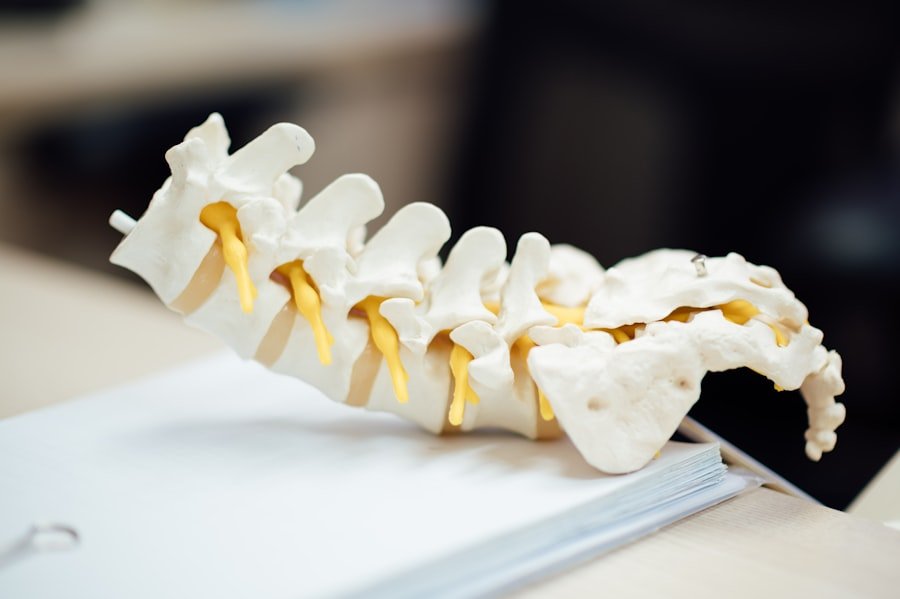
Every medical procedure, including surgery, carries risks and potential benefits. It’s essential to have a realistic understanding of both.
What Are the Potential Benefits of the Surgery?
Focus on what improvements you can realistically expect.
- What is the expected success rate for this surgery for my specific condition?
- How much pain relief can I realistically expect?
- Will the surgery improve my ability to function in daily activities?
- Will it help with any numbness or weakness I’m experiencing?
What Are the Potential Risks and Complications?
Be sure to ask about both common and rare risks.
- What are the most common risks associated with this surgery? These might include infection, bleeding, or blood clots.
- Are there any risks specific to spine surgery, such as nerve damage or spinal fluid leaks?
- What are the risks related to anesthesia?
- What is the risk of needing additional surgery in the future?
- Is there a risk of complications related to the implants used (if any)?
- What is the risk of my condition not improving after surgery, or even getting worse?
What About the Recovery Process?
Understanding recovery is as important as understanding the surgery itself.
- What is the typical recovery timeline after this surgery?
- When can I expect to be back to normal activities, and what does “normal” mean in terms of limitations?
- What kind of pain management should I expect after surgery?
- How long will I need to wear a brace, if at all?
- What are the physical therapy requirements after surgery, and when will I start them?
- When can I go back to work, and what limitations might I have?
- When is it safe to drive again?
- When can I resume sexual activity?
When considering whether spine surgery is the right choice for you, it’s essential to gather as much information as possible. One insightful resource that can help inform your decision is an article discussing the state of total disc replacement, which highlights findings from six studies on the subject. This article provides valuable insights into the effectiveness and safety of this surgical option, making it a worthwhile read for anyone contemplating spine surgery. You can explore the article further by following this link: total disc replacement.
Second Opinions and When to Seek Them
| Questions to Ask | Metrics |
|---|---|
| What is the diagnosis? | Specific condition or issue |
| What are the treatment options? | Non-surgical, surgical, alternative therapies |
| What are the potential risks and complications? | Infection, nerve damage, blood clots |
| What is the success rate of the surgery? | Percentage of successful outcomes |
| What is the recovery time? | Estimated time for full recovery |
| What are the long-term effects? | Potential impact on daily life |
It’s always a good idea to get a second opinion, especially for a significant procedure like spine surgery.
Why Might a Second Opinion Be Beneficial?
- Does your doctor have experience with this specific type of surgery?
- Do you feel comfortable with your surgeon and their communication style?
- Are there alternative surgical or non-surgical approaches they might recommend?
- Do you understand the diagnosis and treatment plan clearly?
How to Go About Getting a Second Opinion
- Ask your current doctor for a referral to another spine specialist. Most doctors are happy to facilitate this.
- Gather all your medical records, including imaging results (CDs and reports), doctor’s notes, and any previous treatment records.
- Schedule an appointment with a new specialist.
- Be open and honest with the second doctor, sharing your concerns and questions.
When considering whether spine surgery is the right choice for you, it’s essential to gather as much information as possible. One helpful resource is an article that discusses the gender distribution in lumbar and cervical spine patients, which can provide insights into how different demographics may experience spine issues. Understanding these factors can aid in making a more informed decision about your treatment options. You can read more about this topic in the article on gender distribution in spine patients here.
Red Flags: When You Need to See a Doctor Immediately
While this article focuses on non-urgent decisions about surgery, there are certain “red flag” symptoms that require immediate medical attention, even outside of a scheduled appointment.
Urgent Symptoms to Watch For:
- Sudden, severe, or worsening bowel or bladder control problems. This is especially concerning if it happens suddenly.
- Numbness or weakness that is rapidly progressing, affecting both legs or arms equally.
- Loss of sensation in the saddle area (groin, buttocks, inner thighs). This is known as saddle anesthesia.
- Fever, chills, or unexplained weight loss along with your back pain. These could indicate an infection or a more serious underlying condition.
- Intense pain that is not relieved by rest or position changes.
- Pain that resulted from a significant trauma, such as a fall or car accident.
If you experience any of these symptoms, do not delay in seeking emergency medical care.
Making Your Final Decision
After gathering all the information, it’s time to weigh your options and make a decision that feels right for you.
Trust Your Gut and Your Doctor
- Do you feel confident in your surgeon’s expertise and recommendations?
- Do you understand the risks and benefits well enough to make an informed decision?
- Have all your questions been answered to your satisfaction?
Consider Your Personal Goals
- What are your priorities for recovery and future quality of life?
- Are you prepared for the commitment required for post-operative rehabilitation?
Discuss with Loved Ones
- Talk to your family and close friends about your decision. Their support can be invaluable.
At my practice in Oklahoma City, I am dedicated to providing compassionate, clear, and confident care for individuals experiencing back and neck pain. My goal is to empower you with the knowledge you need to make the best decisions for your health. If you are contemplating spine surgery or seeking answers about your pain, please don’t hesitate to reach out.
Ready to discuss your spine health?
Call us today at (405) 645-5475 to schedule an appointment, or book online for your convenience. You can also request a FREE MR to start the conversation. We serve Oklahoma City, Edmond, Norman, Yukon, Moore, Mustang, Midwest City, and surrounding areas.
FAQs
1. What are the common symptoms that may indicate the need for spine surgery?
Common symptoms that may indicate the need for spine surgery include persistent and severe back or neck pain, weakness or numbness in the arms or legs, difficulty walking, and loss of bowel or bladder control.
2. What are the non-surgical treatment options for spine conditions?
Non-surgical treatment options for spine conditions may include physical therapy, medication, steroid injections, chiropractic care, acupuncture, and lifestyle modifications such as exercise and weight management.
3. What are the potential risks and complications associated with spine surgery?
Potential risks and complications associated with spine surgery may include infection, blood clots, nerve damage, failed back surgery syndrome, and the need for additional surgeries in the future.
4. How long is the recovery period after spine surgery?
The recovery period after spine surgery varies depending on the type of surgery performed and the individual patient. It may range from a few weeks to several months, and may involve physical therapy and rehabilitation.
5. What are the success rates and long-term outcomes of spine surgery for my specific condition?
It is important to discuss the success rates and long-term outcomes of spine surgery for your specific condition with your surgeon. Factors such as the type of surgery, the severity of the condition, and the patient’s overall health can all impact the success of the surgery.