
Suffering from back or neck pain? Wondering what’s causing it and what can be done? You’re not alone. Many people in our Oklahoma City community, from Edmond to Norman and beyond, experience discomfort that affects their daily lives. As an orthopedic spine surgeon, I’m here to help you understand your condition and find the best path to relief.
Let’s explore two common conditions that can cause significant pain and discomfort: spinal stenosis and herniated discs. While both affect the spine, they are distinct issues with different causes and treatments. Understanding the differences is the first step toward getting the right care.
Spinal stenosis is a condition where the space within your spine becomes narrower. Think of your spinal canal as a tunnel that protects your spinal cord and the nerves that branch out from it. When this tunnel narrows, it can put pressure on these important structures, leading to pain, numbness, tingling, and weakness.
What Causes Spinal Stenosis?
The most common cause of spinal stenosis is aging, specifically osteoarthritis. As we get older, the wear and tear on our spine can lead to changes that narrow the spinal canal. These changes can include:
- Bone spurs (osteophytes): These are bony growths that can form along the edges of your vertebrae. They can stick out into the spinal canal or the openings where nerves exit the spine.
- Thickened ligaments: The tough bands of tissue that hold your spine together can become thicker and less flexible over time, encroaching on the spinal canal.
- Degenerative disc disease: The discs between your vertebrae are like cushions. With age, they can lose their water content, become flatter, and bulge outwards, sometimes narrowing the spinal canal.
- Slipped vertebrae (spondylolisthesis): In some cases, one vertebra can slip forward over the one below it, narrowing the spinal canal.
While aging is the primary culprit, other factors can contribute or lead to spinal stenosis at a younger age:
- Genetics: Some people are simply born with a narrower spinal canal.
- Spinal injuries: Fractures or other trauma to the spine can cause bone fragments to enter the spinal canal or lead to instability that results in narrowing.
- Spinal tumors: While rare, tumors within or pressing on the spinal canal can cause stenosis.
- Paget’s disease of bone: This is a chronic bone disorder that can cause bones to enlarge and deform, potentially leading to spinal stenosis.
Where Does Spinal Stenosis Typically Occur?
Spinal stenosis can happen in two main areas of the spine:
- Lumbar spinal stenosis: This is the most common type and affects the lower back. It can cause pain, cramping, or weakness in the legs when walking or standing, a condition often referred to as neurogenic claudication.
- Cervical spinal stenosis: This affects the neck. It can lead to pain, stiffness, numbness, or weakness in the neck, shoulders, arms, and even the hands. Severe cervical stenosis can cause problems with balance and coordination.
What Are the Symptoms of Spinal Stenosis?
The symptoms of spinal stenosis often develop slowly over time and can vary greatly from person to person, depending on the location and severity of the narrowing. Common symptoms include:
- Pain: This can be a dull ache or a sharp, shooting pain. It often worsens with standing or walking and is relieved by sitting or leaning forward.
- Numbness or tingling: You might feel “pins and needles” or a loss of sensation in your legs, feet, arms, or hands.
- Weakness: Muscles may feel weaker, making it difficult to walk, stand, or perform everyday tasks.
- Leg cramping (neurogenic claudication): This is a hallmark symptom of lumbar stenosis. When you walk, your legs may start to cramp up, forcing you to stop. You might find relief by sitting down or leaning on a shopping cart or table.
- Balance problems: In severe cases, especially with cervical stenosis, you might experience difficulty with balance and a feeling of unsteadiness.
- Bowel or bladder changes: This is a rare but serious symptom. If you experience loss of bowel or bladder control, it’s a medical emergency and requires immediate attention.
How is Spinal Stenosis Diagnosed?
Diagnosing spinal stenosis involves a combination of your medical history, a physical examination, and imaging tests.
- Medical History and Physical Exam: I will ask you detailed questions about your symptoms, including when they started, what makes them worse or better, and how they affect your daily life. A physical exam will help me assess your range of motion, strength, reflexes, and sensation.
- Imaging Tests:
- X-rays: While X-rays don’t directly show nerve compression, they can reveal bone spurs, thickened ligaments, disc degeneration, and signs of vertebral slippage that can contribute to stenosis.
- MRI (Magnetic Resonance Imaging): This is the gold standard for diagnosing spinal stenosis. An MRI uses powerful magnets and radio waves to create detailed cross-sectional images of your spine, allowing us to see the spinal cord, nerves, and the extent of any narrowing.
- CT Scan (Computed Tomography): A CT scan uses X-rays to create detailed images of your bones. It can be helpful in visualizing bone spurs and other bony abnormalities that may be contributing to stenosis. Sometimes, a myelogram (a CT scan performed after injecting dye into the spinal canal) is used for a clearer view.
For those looking to deepen their understanding of spinal conditions, a related article titled “Medtronic Spine’s Winning Formula” provides valuable insights into innovative treatments and technologies in spinal care. This resource can help readers explore how advancements in medical technology are influencing the management of conditions like spinal stenosis and herniated discs. To read more, visit Medtronic Spine’s Winning Formula.
Understanding Herniated Discs
A herniated disc, also sometimes called a slipped disc or ruptured disc, occurs when the soft, jelly-like center of an intervertebral disc pushes out through a tear in its tougher outer layer. These discs act as shock absorbers between your vertebrae. When one bulges or ruptures, the material can press on nearby spinal nerves or the spinal cord itself, causing pain and other symptoms.
What Causes a Herniated Disc?
Herniated discs are often related to the natural process of aging and wear and tear on the spine. As we age, our discs gradually lose water content and become less flexible and more prone to tearing. However, several factors can increase the risk of developing a herniated disc:
- Age: Most common in people between ages 30 and 50, though it can occur at any age.
- Genetics: Some individuals may have a genetic predisposition to thinning of the outer layer of their spinal discs.
- Repetitive strain: Jobs or activities that involve repetitive lifting, bending, twisting, or prolonged sitting can put stress on the spine.
- Sudden strenuous activity: Lifting heavy objects (especially with improper technique) or a sudden twist can sometimes cause a disc to herniate.
- Obesity: Excess body weight puts added stress on the spine, particularly the lower back.
- Smoking: Nicotine can reduce blood supply to the spinal discs, causing them to degenerate more quickly.
- Sedentary lifestyle: Lack of exercise can lead to weak back muscles, which provide less support for the spine.
Where Do Herniated Discs Most Often Occur?
Herniated discs are most common in the lumbar spine (lower back) and the cervical spine (neck), as these areas experience the most motion and stress.
- Lumbar herniated discs: These often affect the nerve roots that go down to the legs, causing sciatica-like pain.
- Cervical herniated discs: These can cause pain that radiates down the arm, along with numbness, tingling, or weakness in the arm and hand.
What Are the Symptoms of a Herniated Disc?
The symptoms of a herniated disc depend on whether the herniated material is pressing on a nerve and on which nerve it’s pressing. Some people have no symptoms at all, while others experience significant pain.
- Localized pain: You might feel pain in the specific area of your spine where the disc has herniated.
- Radiating pain (sciatica for lumbar discs): If the herniated disc presses on a nerve root, you may experience pain that travels down the pathway of that nerve. For a lumbar herniated disc, this often means pain shooting down the buttock and into the leg, sometimes all the way to the foot. For a cervical herniated disc, pain can radiate down the shoulder, arm, and into the hand.
- Numbness or tingling: You might experience “pins and needles” or a loss of sensation along the path of the affected nerve.
- Weakness: Muscles controlled by the compressed nerve may become weaker, leading to difficulty with specific movements or tasks. For example, you might have trouble lifting your foot (foot drop) with a lumbar herniated disc, or have difficulty gripping with your hand with a cervical herniated disc.
- Pain that worsens with certain activities: Sitting for long periods, bending, coughing, sneezing, or straining can often aggravate the pain from a herniated disc.
How is a Herniated Disc Diagnosed?
Similar to spinal stenosis, diagnosing a herniated disc involves a thorough evaluation:
- Medical History and Physical Exam: I’ll listen carefully to your symptoms, understand your activities, and perform a physical examination to check your strength, sensation, and reflexes.
- Imaging Tests:
- MRI: This is the best test for visualizing herniated discs and assessing the nerve compression. It provides detailed images of the soft tissues, including the discs and nerves.
- CT Scan: A CT scan can also show herniated discs, especially if there are bony abnormalities or if an MRI is not possible.
- X-rays: X-rays are not ideal for diagnosing herniated discs but can help rule out other causes of back pain, such as fractures or severe arthritis.
Spinal Stenosis vs. Herniated Disc: Key Differences
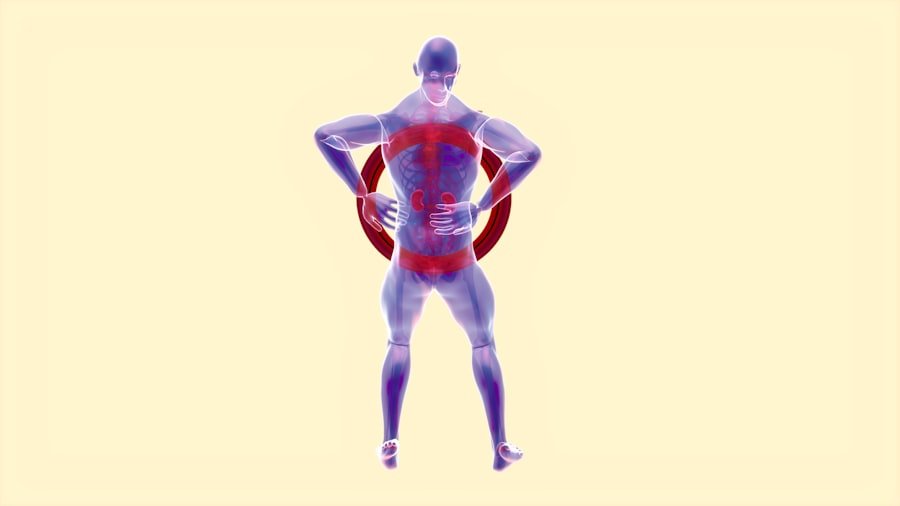
While both conditions can cause significant pain and nerve irritation, there are fundamental differences in their nature and typical presentation. Understanding these distinctions is crucial for effective treatment.
Nature of the Problem
- Spinal Stenosis: This is a degenerative condition characterized by a progressive narrowing of the spinal canal. It’s usually a slow process that occurs over years. The pressure is often on the spinal cord itself or multiple nerve roots due to the generalized reduction in space.
- Herniated Disc: This is a structural problem where a part of the disc pushes out. It can happen suddenly or develop gradually. The pressure is typically on a specific nerve root as it exits the spine, or potentially on the spinal cord if it’s a large central herniation.
Typical Symptoms and Triggers
- Spinal Stenosis:
- Pain often worsens with standing or walking (extension of the spine) and improves with sitting or leaning forward (flexion). This is classic neurogenic claudication.
- Symptoms are often bilateral (affecting both sides of the body) because the narrowing affects the entire spinal canal.
- Gradual onset of symptoms.
- Herniated Disc:
- Pain often worsens with prolonged sitting, bending, lifting, or specific movements.
- Symptoms are often unilateral (affecting one side of the body) because a specific nerve root is compressed.
- Can have a more acute onset after an injury or specific activity.
Age of Onset
- Spinal Stenosis: More commonly seen in older adults (over 50) due to age-related degenerative changes.
- Herniated Disc: While it can happen at any age, it’s most common in younger to middle-aged adults (30s to 50s) who are more active.
Mechanism of Nerve Compression
- Spinal Stenosis: Continuous, generalized pressure on the spinal cord and/or multiple nerve roots due to the narrowed open space.
- Herniated Disc: Focal pressure on a single nerve root or the spinal cord by the extruded disc material.
When to Seek Medical Attention
It’s important to see a spine specialist, like myself here in Oklahoma City, if you experience any of the following:
- Persistent or severe back or neck pain that doesn’t improve with rest or over-the-counter pain relievers.
- Pain that radiates down your arms or legs, especially if accompanied by numbness, tingling, or weakness.
- Difficulty walking, standing, or performing daily activities due to pain or weakness.
- Sudden onset of bowel or bladder control problems (this is a medical emergency).
- Weakness or numbness that is rapidly worsening.
- Pain after a significant injury.
We see patients from all over the OKC metro area, including Norman, Yukon, Moore, Mustang, and Midwest City, who are seeking relief from these types of symptoms.
Understanding the differences between spinal stenosis and a herniated disc is crucial for effective treatment and management of back pain. For those looking to delve deeper into related topics, an insightful article discusses the important indicators that spine surgeons look for in practices and health systems. You can read more about these essential green flags by visiting this link. This information can provide valuable context for anyone navigating the complexities of spinal health.
Treatment Options Overview
| Comparison | Spinal Stenosis | Herniated Disc |
|---|---|---|
| Definition | Narrowing of the spinal canal | Protrusion of the intervertebral disc |
| Symptoms | Leg pain, numbness, weakness | Back pain, leg pain, numbness, weakness |
| Cause | Age-related degeneration, arthritis | Wear and tear, injury |
| Treatment | Physical therapy, medication, surgery | Physical therapy, medication, epidural injections, surgery |
The good news is that many people benefit from conservative treatments, and surgery is often a last resort. The most appropriate treatment plan depends on your specific diagnosis, the severity of your symptoms, and your overall health.
Conservative Treatments
These are usually the first line of defense and can be very effective:
- Pain Management: Over-the-counter pain relievers like ibuprofen or naproxen can help reduce inflammation and pain. In some cases, stronger prescription medications may be necessary.
- Physical Therapy (PT): A tailored PT program can strengthen the muscles that support your spine, improve flexibility, and teach you proper posture and body mechanics to reduce strain. For spinal stenosis, exercises that improve core strength and flexibility can be beneficial. For herniated discs, PT focuses on reducing inflammation and decompressing the nerve.
- Activity Modification: Learning what activities aggravate your pain and making adjustments can be crucial. This doesn’t mean stopping all activity, but rather finding a balance.
- Injections:
- Epidural Steroid Injections: These injections deliver anti-inflammatory medication directly to the area around the affected nerves or spinal cord. They can provide significant temporary relief from pain and inflammation, allowing you to participate more effectively in physical therapy.
- Facet Joint Injections/Medial Branch Blocks: These can help diagnose and treat pain arising from the small joints in your spine, which can be a factor in both stenosis and some disc issues.
Advanced Treatments and Surgery
If conservative treatments are not effective, or if your condition is severe and causing significant neurological deficits, surgery may be considered.
- For Spinal Stenosis:
- Laminectomy: This is a surgical procedure where a portion of the lamina (a part of the vertebra that forms the roof of the spinal canal) is removed. This widens the spinal canal, relieving pressure on the spinal cord and nerves.
- Laminotomy: A less extensive procedure than laminectomy, where only a portion of the lamina is removed.
- Spinal Fusion: In some cases where there is instability in the spine (e.g., due to spondylolisthesis), a fusion may be performed along with decompression. This involves joining two or more vertebrae together to prevent motion between them. We use advanced techniques and hardware to achieve this.
- Minimally Invasive Spine Surgery (MIS): For both stenosis and disc issues, MIS techniques are increasingly used. These involve smaller incisions, specialized instruments, and often lead to quicker recovery times and less post-operative pain compared to traditional open surgery. This can include MIS laminectomy or MIS fusion.
- For Herniated Discs:
- Discectomy: This is a surgical procedure to remove the part of the herniated disc that is pressing on the nerve.
- Microdiscectomy: A less invasive version of discectomy, performed using a microscope or endoscope for magnification, allowing for smaller incisions.
- Artificial Disc Replacement (ADR): In select cases of cervical or lumbar herniated discs, instead of fusing the vertebrae, a damaged disc can be replaced with an artificial one. This preserves motion at that segment of the spine. This is an option for specific types of disc degeneration and herniations.
- ACDF (Anterior Cervical Discectomy and Fusion): A common procedure for herniated discs in the neck. The disc is removed from the front of the neck, and the space is then fused.
- Spinal Fusion: If there is significant instability or other issues, a fusion may be performed alongside a discectomy.
Emerging Technologies
In some advanced cases, we may utilize:
- Computer-Guided Navigation: This technology acts like a GPS for spine surgery, allowing for precise placement of instruments and implants.
- Ultrasonic Spine Care: While still emerging and not yet mainstream for all procedures, ultrasonic technology holds promise for certain tissue dissection and bone removal during minimally invasive surgeries, potentially leading to less damage to surrounding tissues.
Frequently Asked Questions
Here are some common questions I hear from patients:
Q: I have a herniated disc in my lower back. Will I ever be able to walk normally again?
A: In most cases, yes. Many herniated discs heal on their own over time, and with a good physical therapy program, most people regain normal function and are able to walk without pain. Surgery is very effective for severe cases that don’t respond to conservative care.
Q: I was told I have spinal stenosis, and my legs get weak when I walk. Is this serious?
A: Significant leg weakness with walking can indicate nerve compression due to spinal stenosis. It’s important to get this evaluated by a spine specialist. While often manageable with conservative care, severe weakness may require surgical intervention to prevent further progression.
Q: Can chiropractic care help with spinal stenosis or herniated discs?
A: Chiropractic adjustments can provide relief for some individuals by improving spinal alignment and reducing pain. However, it’s crucial to work with a chiropractor who understands your specific diagnosis and to ensure the treatments are appropriate and safe for your condition. For severe stenosis, adjustments may not be sufficient, and for some types of herniated discs, aggressive manipulation could potentially worsen the situation. Always discuss your spine issues with your medical doctor.
Q: I have an MRI that shows I have both a herniated disc and spinal stenosis. Which one is causing my pain?
A: It’s not uncommon for people, especially as they age, to have multiple degenerative issues in their spine. Determining which condition is the primary source of your pain often involves correlating your imaging findings with your specific symptoms and physical exam. Sometimes, both conditions contribute to your discomfort.
Q: Is back surgery always the last resort?
A: Ideally, yes. We always explore non-surgical options first because they are effective for a large percentage of patients and carry fewer risks. However, in cases of severe nerve compression causing significant weakness, loss of sensation, or intractable pain, surgery might be recommended sooner to prevent permanent damage and regain quality of life.
Take the Next Step Toward Pain Relief
Understanding the difference between spinal stenosis and a herniated disc is a vital first step in addressing your back or neck pain. Here in Oklahoma City, I am dedicated to providing compassionate, clear, and confident care to help you navigate these conditions. We serve patients from OKC, Edmond, Norman, Yukon, Moore, Mustang, Midwest City, and surrounding areas.
If you’re experiencing persistent back or neck pain, numbness, weakness, or any of the symptoms discussed, don’t live with the discomfort. Let’s work together to find the solution that’s right for you.
Call us today at (405) 645-5475 to schedule an appointment, or book online. You can also request a FREE MR to begin your journey toward a pain-free life.
FAQs
What is spinal stenosis?
Spinal stenosis is a condition where the spinal canal narrows and puts pressure on the spinal cord and nerves. This can cause pain, numbness, and weakness in the legs and arms.
What is a herniated disc?
A herniated disc occurs when the soft inner core of a spinal disc pushes out through a tear in the outer layer. This can result in pressure on nearby nerves, leading to pain, numbness, and weakness in the affected area.
How do the symptoms of spinal stenosis and herniated disc differ?
The symptoms of spinal stenosis often include pain or cramping in the legs, especially when walking or standing for long periods. Herniated disc symptoms typically involve sharp, shooting pain in the affected area, along with tingling or numbness.
How are spinal stenosis and herniated disc diagnosed?
Both conditions can be diagnosed through a combination of physical examination, medical history review, and imaging tests such as X-rays, MRI, or CT scans.
What are the treatment options for spinal stenosis and herniated disc?
Treatment for spinal stenosis and herniated disc may include physical therapy, pain management, anti-inflammatory medications, and in some cases, surgery. The specific treatment plan will depend on the severity of the condition and the individual patient’s needs.