
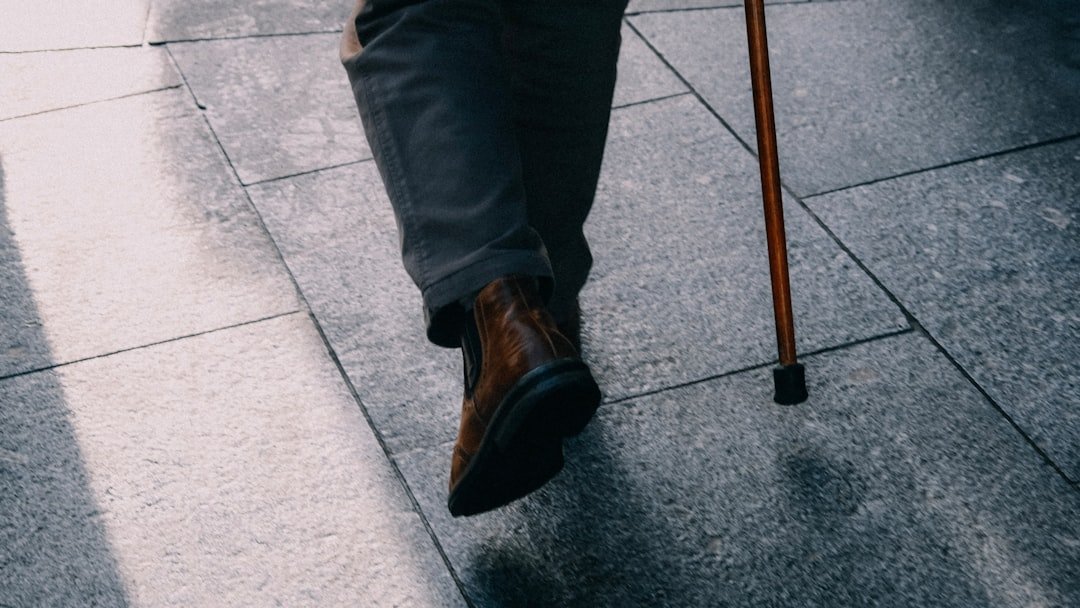
Have you ever noticed that your legs start to ache, cramp, or feel weak, especially when you’re walking or standing for a while? Maybe you find yourself needing to sit down, lean forward, or even bend over a shopping cart to get some relief. If this sounds familiar, you’re not alone. This distinct pattern of leg pain, often brought on by movement and eased by rest or changing position, is a classic sign of a condition called lumbar spinal stenosis.
Dr. Jeffrey Moore, a fellowship-trained Orthopedic Spine Surgeon in Oklahoma City, sees many patients experiencing these very symptoms. He understands how frustrating and debilitating it can be when a simple activity like walking becomes a painful chore. Let’s explore why walking makes your leg pain worse and what it means for your spine health.
Understanding Lumbar Spinal Stenosis: A Narrowing in Your Back
Lumbar spinal stenosis literally means “narrowing of the spinal canal” in your lower back (the lumbar region). Think of your spinal canal as a tunnel that protects your spinal cord and the nerves that branch off it. These nerves travel down into your legs. When this tunnel becomes narrower, it can put pressure on these crucial nerves.
What Causes This Narrowing?
Most often, lumbar spinal stenosis develops gradually with age due to wear and tear on your spine. It’s like the natural aging process of any part of your body. Here are the main culprits:
- Osteoarthritis (Degenerative Arthritis): Over time, the cartilage that cushions your joints wears down. This can lead to bone spurs (small bony growths) forming on your vertebrae. These bone spurs can push into the spinal canal.
- Thickened Ligaments: The tough, fibrous bands (ligaments) that connect the bones in your spine can thicken and harden over time. This thickening can also take up space within the spinal canal.
- Bulging or Herniated Discs: The soft, jelly-like cushions (discs) between your vertebrae can bulge outwards or even rupture (herniate) with age or injury. While a herniated disc is a distinct condition, it can contribute to spinal canal narrowing and stenosis.
- Spondylolisthesis: This is when one vertebra slips forward over another. This misalignment can reduce the space available for the nerves.
- Spinal Injuries: Trauma to the spine can sometimes lead to swelling, bone fragments, or tissue that narrows the canal.
- Tumors (Rare): In very rare cases, growths within the spinal canal can cause stenosis.
It’s important to understand that having some narrowing on an MRI doesn’t automatically mean you have severe symptoms. Many people have mild stenosis and experience no pain at all. It’s when that narrowing starts to pinch or irritate the nerves that problems arise.
If you’re experiencing leg pain that worsens with walking, it may be a sign of lumbar spinal stenosis, a condition that narrows the spinal canal and can lead to nerve compression. For further insights into spinal health and treatment options, you might find the article on the team at Jeffrey Moore Spine particularly helpful. Their expertise in spinal conditions can provide valuable information for those dealing with similar issues. You can read more about their team and services by visiting this link.
Why Walking Triggers and Worsens the Pain
This is the key question: why does the pain specifically get worse when you’re upright and moving? It all comes down to the mechanics of your spine and how it changes with different positions.
The “Neurogenic Claudication” Connection
The pain pattern associated with lumbar spinal stenosis is often called “neurogenic claudication.” “Neurogenic” refers to nerves, and “claudication” means limping. It’s a very specific type of leg discomfort:
- Standing Tall Narrows the Canal: When you stand or walk upright, your spine naturally extends slightly. This straightening motion can further narrow the spinal canal, increasing pressure on the nerves.
- Walking Increases Demand: As you walk, the muscles in your legs demand more blood flow. If the nerves responsible for telling those muscles what to do are pinched, they can’t send signals efficiently. This can lead to cramping, weakness, or a heavy feeling in your legs.
- Forward Leaning Creates Space: This is the most telling sign. When you lean forward – whether it’s over a shopping cart, by resting your hands on your knees, or simply sitting down – you slightly flex your spine. This forward bend actually widens the spinal canal, taking pressure off the nerves and often providing immediate relief.
- Blood Flow vs. Nerve Compression: While often confused with vascular claudication (leg pain due to poor blood flow in the arteries, usually relieved by stopping movement), neurogenic claudication from stenosis is about nerve compression. The key difference is that vascular claudication isn’t typically relieved by leaning forward.
Common Symptoms You Might Experience
Beyond the leg pain with walking, here are other symptoms often associated with lumbar spinal stenosis:
- Pain, Tingling, or Numbness: This can occur in the buttocks, thighs, calves, and sometimes the feet. It can be on one side or both.
- Weakness: You might feel weakness in your legs, making it difficult to lift your feet or walk confidently.
- Cramping: Aching or cramping sensations in the legs are common.
- “Heavy” or “Tired” Legs: Your legs might feel unusually heavy or fatigued after even a short walk.
- Difficulty Standing Upright: You might find yourself naturally wanting to slouch or lean forward to find relief.
- Burning Sensation: Some people describe a burning feeling in their legs.
- Loss of Balance: In more severe cases, nerve compression can affect balance and coordination.
These symptoms typically worsen with prolonged standing or walking and improve significantly when sitting down or bending forward.
When to See a Doctor: Don’t Ignore These Warning Signs
While occasional backaches are common, persistent leg pain that impacts your quality of life should always be evaluated by a medical professional. Dr. Moore emphasizes that early diagnosis and treatment can prevent symptoms from worsening and help you maintain an active lifestyle.
“Red Flag” Symptoms Requiring Immediate Attention
Some symptoms could indicate a more serious problem and warrant urgent medical care. If you experience any of the following, seek medical attention right away:
- New or Worsening Weakness in Your Legs: Difficulty lifting your foot (foot drop) or significant problems with walking.
- Loss of Bowel or Bladder Control: Incontinence (unable to hold urine or stool) or difficulty with urination. This is a medical emergency called “cauda equina syndrome.”
- Numbness in the “Saddle” Area: Numbness around your inner thighs, groin, and buttocks (the area that would touch a saddle). This is also a sign of cauda equina syndrome.
- Severe, Unrelenting Pain: Pain that doesn’t improve with rest or a change in position.
- Fever, Chills, or Unexplained Weight Loss: These could be signs of an infection or other systemic illness.
For symptoms less urgent but still concerning, scheduling an appointment with an orthopedic spine specialist like Dr. Moore is the right next step. He serves patients from OKC, Edmond, Norman, Yukon, Moore, Mustang, Midwest City, and nearby areas, and is dedicated to providing compassionate, confident care.
Diagnosing Lumbar Spinal Stenosis: What to Expect
When you visit Dr. Moore, he’ll conduct a thorough evaluation to accurately diagnose the cause of your leg pain. This typically involves:
Your Medical History and Physical Exam
- Detailed Symptom Description: Dr. Moore will ask you to describe your symptoms in detail – when they started, what makes them better or worse, where the pain is located, and how it impacts your daily activities. This is where explaining that walking makes your leg pain worse, and leaning forward helps, is very important.
- Physical Examination: He’ll check your reflexes, muscle strength, sensation, and observe your gait (how you walk). He may also perform specific maneuvers to look for signs of nerve compression.
Imaging Studies
- X-rays: These help visualize the bones of your spine, showing alignment issues, bone spurs, and evidence of arthritis.
- MRI (Magnetic Resonance Imaging): This is the gold standard for diagnosing spinal stenosis. An MRI provides detailed images of soft tissues, including discs, ligaments, and nerves, clearly showing any narrowing of the spinal canal and the degree of nerve compression.
- CT Scan (Computed Tomography): Sometimes a CT scan with myelogram (dye injected into the spinal canal) is used, especially if an MRI isn’t possible or provides unclear results. It offers excellent bone detail.
Dr. Moore will review these images with you in plain English, explaining what they show and how it relates to your symptoms. He ensures you understand your diagnosis thoroughly.
In exploring the reasons behind why walking can exacerbate leg pain, particularly in the context of lumbar spinal stenosis, it is also insightful to consider how various orthopedic injuries can impact overall mobility and function. A related article discusses the orthopedic injuries affecting the NFL’s 2024 season, highlighting the importance of understanding how such injuries can lead to similar complications in everyday activities. For more information on this topic, you can read the article here.
Treatment Options: Finding Relief for Lumbar Spinal Stenosis
The good news is that most people with lumbar spinal stenosis find relief with conservative (non-surgical) treatments. Surgery is typically considered as a last resort when these methods haven’t provided enough improvement. Dr. Moore believes in a stepped approach to care, always starting with the least invasive options.
Conservative Management (Non-Surgical)
- Physical Therapy (PT): This is often the cornerstone of treatment. A physical therapist can teach you exercises to strengthen your core muscles, improve flexibility, maintain spinal mobility, and improve your posture. They’ll also provide guidance on proper body mechanics to reduce strain on your spine. P.T. is much more than just stretching; it’s about re-educating your body.
- Medications:
- Over-the-counter pain relievers: NSAIDs (non-steroidal anti-inflammatory drugs) like ibuprofen or naproxen can help reduce pain and inflammation.
- Prescription medications: Muscle relaxants may be prescribed for spasms, and certain nerve pain medications (like gabapentin or pregabalin) can help manage nerve-related symptoms.
- Epidural Steroid Injections: These injections deliver powerful anti-inflammatory medication (corticosteroids) directly into the epidural space around the irritated nerves. They can provide significant, though often temporary, pain relief, helping to reduce inflammation and allow you to participate more effectively in physical therapy.
- Activity Modification: Learning to avoid positions or activities that worsen your symptoms and finding comfortable alternatives can be very helpful. This doesn’t mean stopping all activity, but rather adjusting how you do things. For example, using a stationary bike or elliptical may be more tolerable than walking on a treadmill.
- Weight Management: Losing excess weight can significantly reduce the load on your spine, easing symptoms.
- Bracing (Short-Term): In some cases, a back brace might be used for short periods to provide support and limit motion, but it’s not a long-term solution.
When Surgery Might Be Considered
If conservative treatments have been tried for several months and your pain is still severe, debilitating, and significantly impacting your quality of life, Dr. Moore may discuss surgical options. Surgery for lumbar spinal stenosis typically aims to create more space for the pinched nerves, a process known as decompression.
- Laminectomy (Decompression Surgery): This is the most common surgical procedure for spinal stenosis. It involves removing part of the bone (lamina), bone spurs, and/or thickened ligaments that are pressing on the spinal nerves. This creates more space within the spinal canal.
- Minimally Invasive Spine Surgery (MIS): Whenever appropriate, Dr. Moore utilizes minimally invasive techniques. This means using smaller incisions, specialized instruments, and sometimes microscopes or endoscopes. MIS can lead to less muscle damage, less blood loss, faster recovery times, and less post-operative pain compared to traditional open surgery.
- Spinal Fusion: In some cases, especially if there’s significant instability in the spine (like spondylolisthesis) in addition to stenosis, a fusion may be recommended alongside decompression. Spinal fusion involves permanently joining two or more vertebrae together to stabilize that segment of the spine. While effective for stability, it does mean that segment of the spine will no longer move.
- Newer Techniques: Dr. Moore stays current with advancements, including potential applications of techniques like PTP (posterior lumbar interbody fusion), ultrasonic spine care, or computer-guided navigation when relevant to a patient’s specific needs for enhanced precision and safety in more complex cases.
Dr. Moore will explain all your options clearly, discussing the potential benefits, risks, and expected recovery for each. He ensures you have all the information to make an informed decision about your care.
Living with and Managing Lumbar Spinal Stenosis
Even if you have been diagnosed with lumbar spinal stenosis, it doesn’t mean an end to an active life. With the right management, many people find significant relief and can return to activities they enjoy.
Tips for Managing Your Symptoms
- Stay Active (Carefully): Regular, low-impact exercise often helps. Walking is okay as long as you take breaks, or try swimming, cycling, or using an elliptical machine.
- Maintain Good Posture: Be mindful of how you stand and sit.
- Use Proper Lifting Techniques: Bend your knees, keep your back straight, and lift with your legs.
- Ergonomic Adjustments: Make sure your workspace and home environment support good spinal alignment.
- Stay Hydrated and Eat Well: Support overall spinal health.
- Listen to Your Body: Don’t push through severe pain. Rest when you need to, and adjust your activities as necessary.
Your Path to Relief Starts Here
If you’re experiencing leg pain that worsens with walking, particularly if you find relief when leaning forward or sitting down, it’s time to seek expert care. Lumbar spinal stenosis is a common condition, and relief is possible.
Dr. Jeffrey Moore is a fellowship-trained Orthopedic Spine Surgeon dedicated to helping patients in Oklahoma City and surrounding communities like Edmond, Norman, Yukon, Moore, Mustang, and Midwest City. With his calm, clear, and compassionate approach, he’ll accurately diagnose your condition and develop a personalized treatment plan, ranging from conservative strategies to advanced surgical options like minimally invasive decompression when necessary.
Don’t let leg pain limit your life. Take the first step toward understanding and managing your spinal health.
Ready to find out why walking makes your leg pain worse? Call (405) 645-5475, book online, or request a FREE MRI review today to schedule your consultation with Dr. Jeffrey Moore.
FAQs
What is lumbar spinal stenosis?
Lumbar spinal stenosis is a condition where the spinal canal narrows, putting pressure on the spinal cord and nerves in the lower back. This can lead to symptoms such as leg pain, numbness, and weakness.
How does walking worsen leg pain in lumbar spinal stenosis?
Walking can worsen leg pain in lumbar spinal stenosis because it causes the spinal canal to narrow further, putting increased pressure on the nerves. This can result in increased pain, numbness, and weakness in the legs.
What are the common signs of lumbar spinal stenosis?
Common signs of lumbar spinal stenosis include leg pain, numbness or tingling in the legs, weakness in the legs, and difficulty walking or standing for extended periods of time. These symptoms often worsen with activity and improve with rest or sitting.
How is lumbar spinal stenosis diagnosed?
Lumbar spinal stenosis is typically diagnosed through a combination of medical history, physical examination, and imaging tests such as X-rays, MRI, or CT scans. These tests can help to visualize the narrowing of the spinal canal and identify any compression of the spinal cord or nerves.
What are the treatment options for lumbar spinal stenosis?
Treatment options for lumbar spinal stenosis may include physical therapy, pain management, anti-inflammatory medications, corticosteroid injections, and in severe cases, surgery to relieve pressure on the spinal cord and nerves. It is important to consult with a healthcare professional to determine the most appropriate treatment plan based on individual circumstances.