

Neck pain and arm symptoms can significantly disrupt your daily life, making even simple tasks feel overwhelming. If you’re experiencing persistent discomfort, numbness, or weakness that travels down your arm, you might be wondering about the causes and available treatments. For many individuals in Oklahoma City, Edmond, Norman, Yukon, Moore, Mustang, Midwest City, and surrounding areas, ACDF surgery might be recommended as a solution.
Dr. Jeffrey Moore, a fellowship-trained Orthopedic Spine Surgeon in Oklahoma City, is dedicated to helping patients understand their conditions and treatment options clearly and compassionately. This article will explore ACDF surgery, what it is, why it’s performed, and what you can expect.
ACDF stands for Anterior Cervical Discectomy and Fusion. It’s a surgical procedure performed on the cervical spine, which is the part of your spine in your neck. The goal of ACDF is to relieve pressure on the spinal cord or nerves in the neck that are causing pain, numbness, weakness, or other symptoms that may travel down into the arm.
This surgery addresses issues arising from damaged or degenerated discs between the vertebrae in your neck. When these discs wear down, they can bulge or rupture, pressing on the delicate nerves that exit the spinal cord and travel to your arms and hands. This pressure is often the root cause of your symptoms.
What Does “Anterior” Mean in ACDF?
The “anterior” in ACDF refers to the surgical approach. This means the surgeon accesses the cervical spine from the front of your neck, through a small incision. This approach allows direct access to the cervical discs and the front of the vertebrae without needing to go through the back of the neck, which can involve cutting through muscles.
Why is the Anterior Approach Preferred?
The anterior approach is often preferred for ACDF surgery for several key reasons:
- Direct Access: It provides a clear and direct path to the damaged disc and the affected nerve roots.
- Reduced Muscle Disruption: It involves less disruption to the muscles and tissues in the back of the neck compared to a posterior (back) approach.
- Lower Risk of Nerve Injury: By approaching from the front, surgeons can often visualize and avoid injuring the spinal cord and nerves more effectively.
- Better Visualization: The anterior view offers excellent visualization of the vertebral bodies and the disc spaces.
What Does “Cervical Discectomy” Mean?
“Cervical discectomy” is the part of the procedure where the surgeon removes the damaged or herniated disc from between the vertebrae. This disc material is what’s causing the compression and pain.
What is Spinal Fusion?
Following the removal of the damaged disc, the surgeon performs a spinal fusion. This is a technique used to permanently join two or more vertebrae together. By fusing the vertebrae, the surgeon aims to:
- Stabilize the Spine: Prevent abnormal movement between the fused vertebrae, which can cause pain.
- Eliminate Pain: Remove the source of pain caused by the degenerated disc.
- Allow Bone Healing: Create a stable environment for new bone to grow and bridge the space where the disc was removed.
How is the Fusion Achieved?
To achieve fusion, a bone graft or a specialized spacer is placed into the space where the disc was removed. This graft or spacer acts as a bridge, encouraging the vertebrae above and below to grow together over time. In many cases, a small plate and screws are used to hold the vertebrae in place during the healing process, providing immediate stability.
If you’re looking to understand more about the complexities and challenges faced by spine surgeons, you may find the article “Spine Surgeons’ Challenges by Setting” to be particularly insightful. It delves into the various factors that influence surgical outcomes and patient care in different environments. To read more about this topic, visit the article here: Spine Surgeons’ Challenges by Setting.
Symptoms That Might Indicate a Need for ACDF Surgery
If you’re experiencing neck pain that radiates into your arm, it’s essential to understand the potential symptoms that might point towards a problem in your cervical spine that ACDF surgery could address. These symptoms can vary in intensity and may worsen with certain movements or over time.
Common Neck Pain Symptoms
Neck pain itself can manifest in various ways:
- Stiffness: Difficulty turning your head or experiencing a general feeling of tightness in your neck.
- Aching: A dull, persistent ache in the neck, often felt at the base of the skull or in the upper shoulders.
- Sharp Pain: Sudden, intense pain that may be triggered by specific movements.
- Limited Range of Motion: Inability to move your neck freely in all directions.
Arm Symptoms Associated with Neck Problems
The symptoms that often lead patients to seek specialized spine care are those that travel down the arm. These can be caused by a pinched nerve in the neck.
- Radiating Pain: Pain that starts in the neck and travels down one or both arms. This pain can be sharp, burning, or a deep ache.
- Numbness and Tingling: A “pins and needles” sensation or a complete loss of feeling in the arm, hand, or fingers. This is often described as the arm “falling asleep.”
- Weakness: A noticeable decrease in strength in the arm, hand, or fingers. This can make it difficult to grasp objects, lift things, or perform fine motor tasks.
- Loss of Coordination: Difficulty with precise movements of the hand and fingers.
Other Potential Symptoms
Beyond direct neck and arm symptoms, you might also experience:
- Headaches: Especially those that start at the base of the skull and radiate forward.
- Shoulder Pain: Pain that originates in the neck but is felt predominantly in the shoulder.
It’s important to note that these symptoms can be caused by various conditions, not just those requiring ACDF. This is why a thorough evaluation by a spine specialist like Dr. Moore is crucial.
Diagnosing the Cause of Your Neck and Arm Pain

Accurate diagnosis is the first and most critical step in determining the best course of treatment. Dr. Moore utilizes a combination of your medical history, a physical examination, and advanced imaging techniques to pinpoint the source of your neck and arm symptoms.
Your Medical History and Physical Examination
During your initial consultation, Dr. Moore will ask detailed questions about:
- Your Symptoms: When they started, what makes them better or worse, their intensity, and if they have changed over time.
- Your Medical History: Any previous injuries, surgeries, or underlying medical conditions.
- Your Lifestyle: Your occupation, activity levels, and any habits that might contribute to your pain.
The physical examination will involve:
- Assessing Range of Motion: Evaluating how well you can move your neck in different directions.
- Neurological Testing: Checking your reflexes, muscle strength, and sensation in your arms and hands to identify any nerve involvement.
- Palpation: Gently feeling your neck and surrounding muscles to detect tenderness or abnormalities.
Imaging Techniques for Diagnosis
Imaging plays a vital role in visualizing the structures within your cervical spine and identifying the cause of nerve compression.
X-rays
- What they show: X-rays provide clear images of the bones in your neck. They can reveal:
- Bone Alignment: Whether the vertebrae are properly aligned.
- Degenerative Changes: Signs of arthritis, bone spurs (osteophytes), and narrowing of the disc spaces.
- Instability: Abnormal movement between vertebrae.
- Limitations: X-rays don’t show soft tissues like discs or nerves very well.
MRI (Magnetic Resonance Imaging)
- What it shows: MRI is considered the gold standard for evaluating soft tissues in the spine. It provides detailed images of:
- Intervertebral Discs: It can clearly show disc herniations, bulges, and degeneration.
- Spinal Cord: It can detect compression or damage to the spinal cord.
- Nerve Roots: It can identify which nerve roots are being compressed by a disc or bone spur.
- Ligaments and Muscles: It can reveal inflammation or tears in these structures.
- Why it’s important: An MRI is crucial for understanding the exact nature and location of the compression causing your arm symptoms.
CT Scan (Computed Tomography)
- What it shows: CT scans provide detailed cross-sectional images of the bones. They are particularly useful for:
- Bone Detail: Evaluating complex bone structures, bone spurs, and the integrity of the vertebrae.
- Surgical Planning: Helping surgeons plan for bone grafting or instrumentation.
- When it’s used: CT scans are often used in conjunction with MRI, especially when bone issues are suspected or for pre-operative planning.
By combining these diagnostic tools, Dr. Moore can create a precise picture of your spinal condition and determine if ACDF surgery is the most appropriate treatment for you.
When is ACDF Surgery Recommended?

ACDF surgery is not typically the first line of treatment for neck and arm pain. It’s usually considered when conservative measures have failed to provide relief or when there are clear signs of significant nerve compression or spinal cord issues.
Failure of Conservative Treatments
Before recommending surgery, Dr. Moore will exhaust all reasonable non-surgical options. These may include:
- Rest and Activity Modification: Avoiding activities that aggravate your symptoms.
- Physical Therapy: Targeted exercises to strengthen neck and upper back muscles, improve posture, and increase flexibility.
- Medications: Over-the-counter or prescription pain relievers, anti-inflammatories, and muscle relaxants.
- Cervical Collar: A temporary brace to limit neck movement and provide support.
- Injections: Epidural steroid injections or nerve blocks can help reduce inflammation and pain around the affected nerves.
If your symptoms persist or worsen despite these efforts, and imaging confirms significant nerve compression or spinal instability, surgery may be the next step.
Signs of Significant Nerve Compression
Certain symptoms indicate that a nerve is being significantly pinched, and ACDF surgery might be necessary to decompress it:
- Progressive Weakness: If you are experiencing increasing difficulty with grip strength or arm movement, it suggests ongoing nerve damage.
- Persistent Numbness and Tingling: If these sensations are constant and not improving, it indicates a persistent issue.
- Significant Pain: If your pain is severe and debilitating, significantly impacting your quality of life, and not responding to pain management.
Spinal Cord Compression (Myelopathy)
In more severe cases, the cervical spine issue might not just affect the nerves going to the arm but also the spinal cord itself. This condition is called cervical myelopathy and can lead to more widespread symptoms affecting coordination, balance, and even bowel or bladder function.
- Symptoms of Myelopathy:
- Difficulty with fine motor skills (e.g., buttoning shirts, writing).
- Gait disturbances (walking problems).
- Balance issues.
- Increased reflexes in the legs.
- Spasticity (stiffness) in the legs.
ACDF surgery is often recommended to relieve pressure on the spinal cord and prevent further neurological damage in cases of myelopathy.
Other Indications for ACDF
While nerve compression is the most common reason, ACDF may also be recommended for:
- Cervical Instability: If the vertebrae in your neck are abnormally mobile, leading to pain and potential neurological compromise.
- Certain Fractures: In some cases, ACDF can be used to stabilize a fractured vertebra after trauma.
- Tumors: If a tumor is compressing the spinal cord or nerves in the cervical region.
Dr. Moore will conduct a thorough evaluation to determine if your specific condition warrants ACDF surgery.
ACDF surgery, or anterior cervical discectomy and fusion, is often discussed in the context of treating neck pain and arm symptoms, but understanding the broader implications of surgical care is also essential. For those interested in the future of spine surgery and how it may evolve within a value-based care framework, a related article offers valuable insights. You can read more about this topic in the article on what spine surgeons expect for the future of value-based care by following this link. This perspective can help patients and healthcare providers alike navigate the complexities of treatment options and outcomes.
The ACDF Surgery Procedure: What to Expect
| ACDF Surgery for Neck Pain and Arm Symptoms | |
|---|---|
| Procedure | Anterior Cervical Discectomy and Fusion (ACDF) |
| Indications | Neck pain, arm pain, weakness, numbness, tingling |
| Objective | To relieve pressure on spinal nerves and stabilize the cervical spine |
| Success Rate | High success rate in relieving symptoms |
| Recovery Time | Varies, but typically 4-6 weeks for return to normal activities |
| Risks | Infection, nerve injury, hoarseness, difficulty swallowing |
Undergoing surgery can bring about many questions. Dr. Moore and his team are committed to ensuring you are well-informed and comfortable throughout the process, from pre-operative preparation to post-operative recovery.
Before Surgery
- Pre-operative Consultations: You will meet with Dr. Moore to discuss the surgical plan, potential risks, benefits, and expected outcomes. You’ll also have a chance to ask any questions you may have.
- Medical Evaluation: You’ll undergo a comprehensive medical assessment, including blood tests, an EKG, and possibly other tests to ensure you are healthy enough for surgery.
- Anesthesia Consultation: You’ll meet with an anesthesiologist to discuss the type of anesthesia that will be used.
- Medication Review: You’ll be instructed on which medications to continue or stop before surgery.
- Fasting Instructions: You will be told not to eat or drink anything after midnight the night before your surgery.
During Surgery
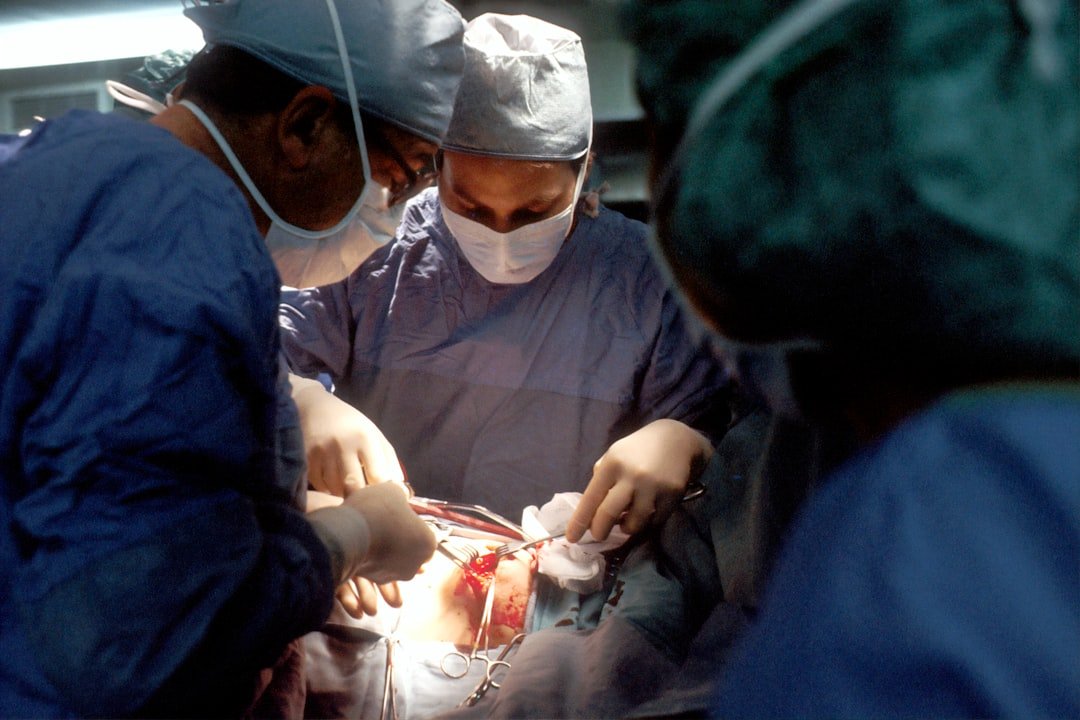
ACDF surgery is performed under general anesthesia, meaning you will be asleep and pain-free during the procedure.
- Incision: A small incision, typically 1 to 2 inches long, is made on the front of your neck, usually on the right side. The location is carefully chosen to minimize scarring.
- Retraction: The surgeon gently retracts the muscles, blood vessels, and esophagus to expose the cervical spine.
- Discectomy: Using specialized instruments, the damaged disc is carefully removed from between the vertebrae. Any bone spurs pressing on the nerves or spinal cord are also removed.
- Graft or Spacer Placement: A bone graft (which can come from your own body, a donor, or be synthetic) or a specialized cage-like spacer is inserted into the empty disc space. This restores the height of the disc space and provides a surface for the vertebrae to fuse.
- Plate and Screws (Optional): In many cases, a small metal plate and screws are used to secure the vertebrae together, providing immediate stability and aiding in the fusion process.
- Closure: The incision is closed with sutures, often dissolving ones, and covered with a sterile dressing.
The surgery typically takes between one to two hours, depending on the number of levels being fused.
After Surgery: Recovery and Rehabilitation
Your recovery journey begins immediately after surgery.
- Hospital Stay: Most patients stay in the hospital for one to two days following ACDF surgery. During this time, your pain will be managed, and you’ll be monitored for any complications.
- Pain Management: You will likely experience some soreness and discomfort at the incision site and in your neck. Pain medication will be prescribed to manage this.
- Mobility: You will be encouraged to get out of bed and move around as soon as possible, usually within hours of surgery. This helps prevent blood clots and promotes healing.
- Diet: You will start with liquids and gradually progress to soft foods and then back to your regular diet as tolerated.
- Wearing a Cervical Collar: You may be instructed to wear a soft cervical collar for a period after surgery to help support your neck and limit movement, especially during the initial healing phase.
- Physical Therapy: Once cleared by Dr. Moore, you will likely begin a course of physical therapy. This is crucial for regaining strength, flexibility, and range of motion in your neck and shoulders. A physical therapist will guide you through specific exercises.
- Activity Restrictions: You will have some activity restrictions for several weeks to months, including avoiding heavy lifting, strenuous exercise, and prolonged awkward neck positions. Dr. Moore will provide specific guidance.
- Fusion Process: The bone graft will gradually integrate with the vertebrae, and the fusion will be complete over several months to a year. Follow-up X-rays will be taken to monitor the healing process.
Potential Risks and Complications
While ACDF surgery is generally safe and effective, like any surgical procedure, it carries some risks. Dr. Moore will discuss these with you in detail. Potential complications can include:
- Infection: Although rare, infection at the surgical site can occur.
- Bleeding: Significant bleeding is uncommon but possible.
- Nerve Injury: Damage to the nerves or spinal cord is a rare but serious complication.
- Hoarseness or Difficulty Swallowing: These can occur due to temporary irritation of the nerves or esophagus during surgery. They usually resolve over time.
- Graft or Hardware Failure: In rare instances, the bone graft may not fuse, or the hardware could loosen.
- Adjacent Segment Disease: Over time, the segments of the spine above or below the fused area may experience increased stress and degeneration.
- Dural Tear: A small tear in the sac surrounding the spinal cord can occur, which is usually repaired during surgery.
Your excellent outcome is Dr. Moore’s priority, and he takes every precaution to minimize these risks.
Frequently Asked Questions About ACDF Surgery
We understand you may have many questions about ACDF surgery. Here are answers to some common queries:
Will I have a scar?
Yes, there will be a scar on the front of your neck. However, it is typically small and well-hidden within a natural skin crease, often fading significantly over time.
How long does the fusion take to heal?
The bone fusion process usually takes several months to a year to become solid. You will have follow-up appointments and X-rays to monitor this progress.
Can I have ACDF surgery on more than one level?
Yes, ACDF surgery can be performed on multiple levels in the cervical spine if necessary to address the source of your symptoms.
What is the success rate of ACDF surgery?
ACDF surgery has a high success rate in relieving neck and arm pain caused by disc herniation and nerve compression. Most patients experience significant improvement in their symptoms.
What are the alternatives to ACDF surgery?
Alternatives to ACDF surgery include conservative treatments like physical therapy, medications, and injections. In some cases, minimally invasive techniques may be an option, but this depends on the specific diagnosis.
Will I lose range of motion in my neck after fusion?
When one or two levels are fused, the impact on overall neck motion is usually minimal, as you have a significant range of motion in your other cervical segments. If multiple levels are fused, there may be a more noticeable reduction in flexibility. However, the goal is to relieve pain and improve function.
Can ACDF surgery help with numbness and weakness in my arm?
Yes, a primary goal of ACDF surgery is to decompress the pinched nerve, which can alleviate numbness, tingling, and weakness in the arm and hand.
What is the recovery time for ACDF surgery?
Full recovery can take several months. However, most patients can return to light activities within a few weeks and gradually resume more strenuous activities over time, as guided by their surgeon and physical therapist.
Is ACDF surgery a major operation?
ACDF is considered a significant surgical procedure, but it is a well-established and generally safe operation when performed by experienced surgeons.
What if I get a second opinion?
Dr. Moore welcomes patients seeking second opinions. He believes that informed patients make the best decisions about their health. A thorough evaluation can provide clarity and confidence in your treatment plan.
If you are experiencing persistent neck pain, arm pain, numbness, or weakness, don’t let it control your life. Dr. Jeffrey Moore, MD, a fellowship-trained Orthopedic Spine Surgeon in Oklahoma City, is here to help. Serving patients in OKC, Edmond, Norman, Yukon, Moore, Mustang, Midwest City, and nearby areas, Dr. Moore offers compassionate, clear, and confident care.
Take the first step towards a pain-free life. Call us today at (405) 645-5475 to schedule your appointment, book online, or request a FREE MRI review.
FAQs
What is ACDF surgery?
ACDF stands for anterior cervical discectomy and fusion. It is a surgical procedure used to treat neck pain and arm symptoms caused by a herniated disc or degenerative disc disease in the cervical spine.
How is ACDF surgery performed?
During ACDF surgery, the surgeon removes the damaged disc or bone spurs from the cervical spine through the front of the neck. The empty disc space is then filled with a bone graft and a metal plate or cage is often used to stabilize the spine while the bone graft heals.
Who is a candidate for ACDF surgery?
Candidates for ACDF surgery are typically individuals who have not found relief from non-surgical treatments such as physical therapy, medication, or injections, and who are experiencing symptoms such as neck pain, arm pain, weakness, or numbness due to a cervical disc problem.
What are the potential risks and complications of ACDF surgery?
Potential risks and complications of ACDF surgery include infection, nerve injury, difficulty swallowing, hoarseness, and failure of the bone graft to heal. It is important for patients to discuss these risks with their surgeon before undergoing the procedure.
What is the recovery process after ACDF surgery?
Recovery from ACDF surgery typically involves a few days of hospitalization, followed by a period of restricted activity and physical therapy. Most patients are able to return to light activities within a few weeks, but full recovery can take several months.